
Short Answer
If your neighbor disputes your fence location, pause any new work, confirm the property boundary with reliable records or a survey, and document everything. Do not move or modify the fence until the boundary is verified. Most disputes are resolved through clarification and evidence, not immediate legal action.
Why This Question Matters
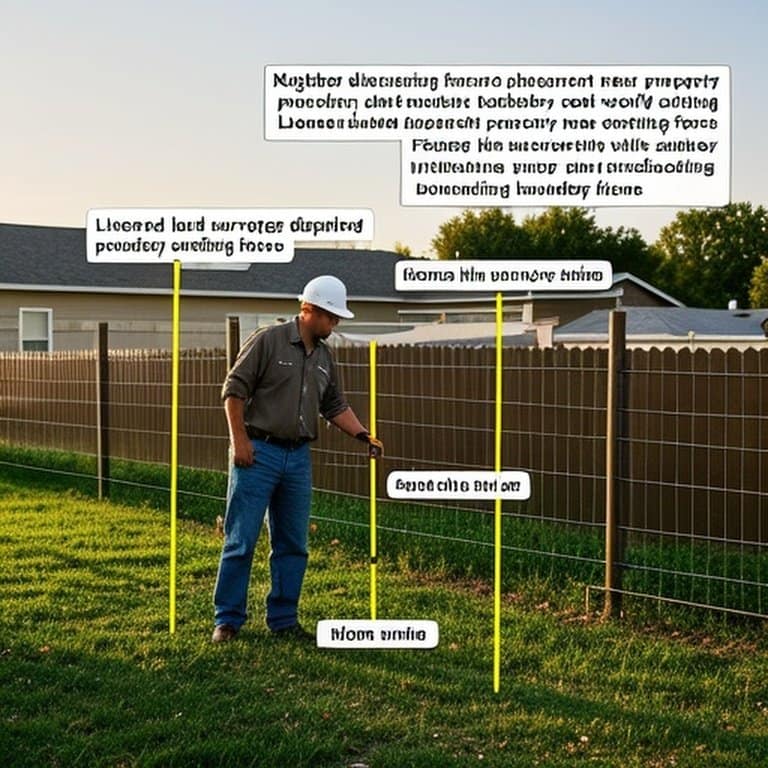
Fence disputes rarely start in court—they start with uncertainty. A neighbor may question a fence after installation, during a survey, or when property use changes. Many owners react defensively or make quick changes without confirmation, which can worsen the situation. Acting too fast can weaken your position, create liability, or escalate costs. Handling the dispute calmly and methodically often prevents legal action and preserves neighbor relationships, especially in rural or livestock settings where long-term cooperation matters.
Key Factors to Consider
- Whether the fence is fully inside your surveyed property line
- Quality and age of existing boundary records
- How the dispute was raised: informal concern or formal notice
- Local laws on boundary and encroachment disputes
- Impact on livestock safety or property access
Detailed Explanation
The first step in any fence dispute is to stop changes and verify facts. Moving or modifying a fence before confirming the boundary can be interpreted as admitting fault, even if the fence is correctly placed. Gather existing documents such as deeds, plats, or prior surveys to understand the claimed boundary.
If documentation is unclear or outdated, a licensed land survey is usually the most effective resolution tool. Surveys provide legally defensible evidence and often settle disputes without further escalation. In many cases, seeing clearly marked boundary stakes resolves the disagreement immediately.
Communication matters. Disputes handled through calm discussion and shared evidence are far less likely to escalate. Avoid arguments based on assumptions, historical use, or verbal claims. Focus on verifiable information.
If the neighbor issues a formal demand or legal notice, escalation risk increases. At that point, documented boundaries and professional confirmation protect your position. The key principle is simple: clarify the boundary first, then decide next steps, not the other way around.
How the Timing of the Dispute Changes Your Options
Disputes raised before or during installation are easier to resolve than those raised years later. Early disputes often allow simple adjustments. Late disputes may involve removal, cost-sharing arguments, or legal deadlines. The longer a fence has been in place, the more complex resolution becomes—even if placement was unintentional.
Informal Disputes vs Formal Complaints
An informal concern raised by a neighbor is very different from a written demand, complaint, or legal notice. Informal disputes allow flexibility and negotiation. Formal complaints usually trigger legal timelines and reduce options. Treat every written objection seriously, even if you believe the fence is correctly placed.
Livestock and Safety Pressures
For livestock owners, disputes create added pressure. Removing or relocating a fence may temporarily compromise containment or animal safety. Planning interim solutions—such as temporary fencing—can prevent practical problems while the dispute is resolved. Safety considerations often influence how quickly and carefully actions must be taken.
When This Works Well
- The dispute is raised early and informally
- Boundary records or surveys are available
- Communication remains calm and documented
- No formal legal action has begun
When This Is Not Recommended
- Ignoring the dispute or dismissing concerns
- Making unilateral fence changes without verification
- Relying solely on assumptions or old landmarks
- Letting livestock safety issues go unmanaged
Alternatives or Better Options
Professional Boundary Survey
A current survey provides neutral, legally defensible clarity and often resolves disputes quickly.
Boundary or Fence Agreements
If placement is close or ambiguous, a written agreement can prevent future disputes.
Interior or Redundant Fencing
Temporary or interior fencing maintains livestock safety while disputes are resolved.
Cost / Safety / Practical Notes
Fence disputes often cost more in time and stress than money—until they escalate. Survey costs are usually minor compared to fence relocation, legal fees, or livestock losses. Safety risks increase when fences are removed or modified under pressure, especially with electric or tensioned wire. Practically, disputes handled early and methodically are far more likely to end without legal action or permanent neighbor conflict.
📍 Video Demonstration
Quick Takeaway
When a neighbor disputes your fence, don’t react—verify the boundary, document everything, and move forward only with clear evidence.