
Short Answer
No—a properly installed electric fence charger cannot be “too powerful” for livestock when it meets safety standards. Modern energizers limit pulse duration and current, so higher joule output increases reliability, not danger. Problems typically come from poor installation, grounding errors, or inappropriate fence design—not charger strength.
Why This Question Matters
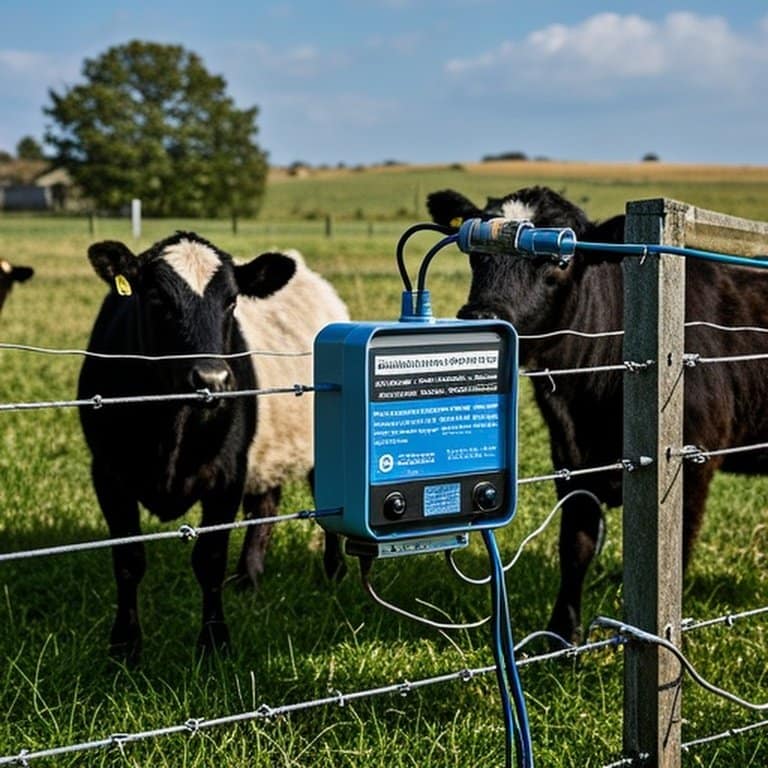
This question comes up whenever buyers see higher joule ratings and worry about animal safety. A common misconception is that stronger chargers cause injury, while weaker ones are “safer.” In reality, underpowered fences create more risk by encouraging animals to test or push through the fence. Misunderstanding this can lead to buying undersized equipment, repeated escapes, and costly upgrades. Knowing how power actually works helps owners choose reliable systems without compromising animal welfare.
Key Factors to Consider
- Joule output versus pulse duration and current limits
- Livestock species, size, and behavior
- Fence design, spacing, and visibility
- Grounding quality and soil conditions
- Compliance with safety standards and regulations
Detailed Explanation
Electric fence safety is determined by how energy is delivered, not by joule numbers alone. Modern fence chargers produce short, controlled pulses—typically one per second—rather than continuous current. This design prevents sustained electrical exposure and keeps shocks startling but non-injurious.
Higher joule output allows the energizer to maintain voltage when the fence is under load, such as when vegetation touches the wire or animals make brief contact. It does not increase shock duration. In fact, strong chargers often reduce repeated contact because animals learn quickly to respect the fence after one or two encounters.
Problems attributed to “too much power” are usually installation issues. Poor grounding can cause irregular shocks. Incorrect wire spacing or using electric wire where animals can become entangled increases risk. These are fence design and setup problems—not energizer power problems.
Safety standards require energizers to limit output characteristics regardless of size. When used as intended, higher-capacity chargers are safe for cattle, horses, sheep, goats, and other livestock. The real danger lies in weak, inconsistent fences that animals challenge repeatedly.
Livestock Behavior and Learning Response
Animals respond to electric fences through learning, not force. A clear, consistent shock teaches avoidance. Weak fences cause repeated testing, increasing stress and escape attempts. Higher-output chargers often improve welfare by reducing repeated contact and pressure.
Fence Design Matters More Than Power
Wire height, spacing, visibility, and insulation affect how animals interact with the fence. Proper design ensures animals contact the fence correctly and briefly. Poor design—not high power—creates unsafe interactions.
Grounding and System Balance
Grounding completes the circuit. Inadequate grounding can cause unpredictable shocks or weak performance. Balanced systems with proper grounding deliver consistent pulses and avoid erratic behavior often blamed on charger size.
When This Works Well
- Charger meets recognized safety standards
- Fence is well-designed and properly grounded
- Livestock are trained to electric fencing
- Vegetation and maintenance are managed
When This Is Not Recommended
- Improvised or non-compliant energizers
- Poorly grounded systems
- Fence layouts that risk entanglement
- Ignoring maintenance and vegetation control
Alternatives or Better Options
Higher-Capacity Chargers with Proper Design
Choosing a stronger charger paired with good design improves reliability without increasing risk.
Improving Fence Visibility
Adding flags or tape helps animals learn faster, reducing contact frequency.
Upgrading Grounding Systems
Better grounding improves performance and consistency without changing charger size.
Cost / Safety / Practical Notes
Higher-output chargers usually cost only slightly more and reduce long-term expenses by preventing escapes and upgrades. From a safety standpoint, repeated fence challenges pose more risk than a single strong deterrent pulse. Practically, experienced operators rarely regret choosing a more powerful charger—but often regret choosing one that was too small.
📍 Video Demonstration
Quick Takeaway
A fence charger isn’t dangerous because it’s powerful—it’s dangerous only when the system is poorly designed or installed.