
Short Answer
An electric fence charger usually delivers low power due to poor grounding, excessive fence load, vegetation contact, weak power supply, or an undersized energizer. In most cases, the charger itself is working correctly, but energy is being lost somewhere in the fence system before it reaches the wire.
Why This Question Matters
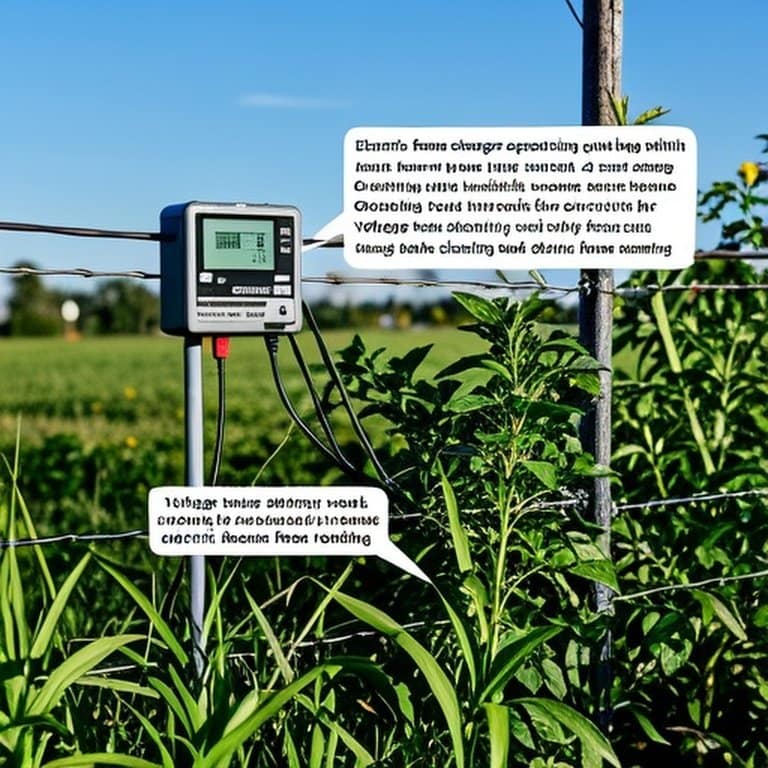
Low fence power is one of the most frustrating electric fencing problems. The charger appears to be running, lights are flashing, and pulses are audible—yet livestock ignore the fence. Many owners assume the charger is faulty and replace it unnecessarily. In reality, power loss almost always comes from system issues like grounding, weeds, or fence expansion. Misdiagnosing the cause wastes money and time while animals continue to test or escape. Understanding why power drops helps you fix the real problem instead of chasing symptoms.
Key Factors to Consider
- Grounding system effectiveness and soil conditions
- Total fence length and number of connected wires
- Vegetation and constant fence contact
- Power source stability and battery condition
- Charger capacity relative to fence load
Detailed Explanation
The most common cause of weak fence output is poor grounding. Electric fences rely on the ground to complete the circuit. If ground rods are too few, too short, or installed in dry or rocky soil, the fence cannot deliver a strong shock—no matter how powerful the charger is. Many low-power complaints are solved by improving grounding alone.
Fence load is the second major factor. Long fences, multiple strands, gates, splices, and extensions all increase resistance. Chargers sized too close to the minimum struggle to maintain voltage as load increases. Vegetation touching the fence creates continuous energy drain and can reduce voltage dramatically, especially during peak growing seasons.
Power supply issues also matter. Weak batteries, insufficient solar charging, or unreliable AC power reduce charger output before energy ever reaches the fence. In battery and solar systems, output often drops gradually, making the problem harder to notice until performance is poor.
True charger failure is relatively rare. Most modern energizers either work or stop entirely. When output is low but present, the problem is almost always somewhere else in the system.
Grounding Problems Masquerading as Charger Failure
Grounding issues are often invisible. A fence may show voltage on a tester but still fail to deliver a meaningful shock. Dry soil, shallow rods, or corroded connections all weaken performance. Improving grounding frequently restores full power without changing the charger.
Fence Expansion Over Time
Many fences grow gradually. Additional paddocks, extra wires, or extended boundaries increase load without upgrading the energizer. What worked last year may no longer be sufficient after expansion, even if nothing appears broken.
Seasonal and Environmental Effects
Vegetation growth, soil moisture changes, and weather patterns alter fence performance. A fence that works well in winter may struggle in summer. Systems sized with little margin are most affected by seasonal load changes.
When This Works Well
- Grounding system is properly installed and maintained
- Charger is sized with adequate capacity margin
- Vegetation is routinely controlled
- Power source is stable and monitored
When This Is Not Recommended
- Replacing the charger before checking grounding
- Ignoring vegetation or fence contact points
- Assuming flashing lights equal full output
- Expanding fences without reassessing charger size
Alternatives or Better Options
Upgrade the Grounding System
Adding ground rods often restores power faster and cheaper than replacing chargers.
Upsize the Energizer
Higher-capacity chargers handle load changes and reduce sensitivity to vegetation.
Split Large Fence Systems
Multiple chargers reduce load concentration and improve reliability.
Cost / Safety / Practical Notes
Most low-power issues can be fixed with minimal cost once the real cause is identified. Replacing chargers prematurely is common but unnecessary. Weak fences increase livestock pressure, escape risk, and human intervention. From a safety standpoint, consistent, strong shocks reduce repeated contact and stress. Practically, systematic troubleshooting saves far more money than guess-and-replace approaches.
📍 Video Demonstration
Quick Takeaway
When fence power is low, assume system loss—not charger failure—until proven otherwise.