
Short Answer
Most electric fence chargers last 10–20 years with normal use. High-quality mains-powered units often exceed this range, while solar and battery-powered chargers typically last 5–10 years due to battery wear. Lifespan depends mainly on build quality, environmental exposure, electrical load, and basic maintenance.
Why This Question Matters
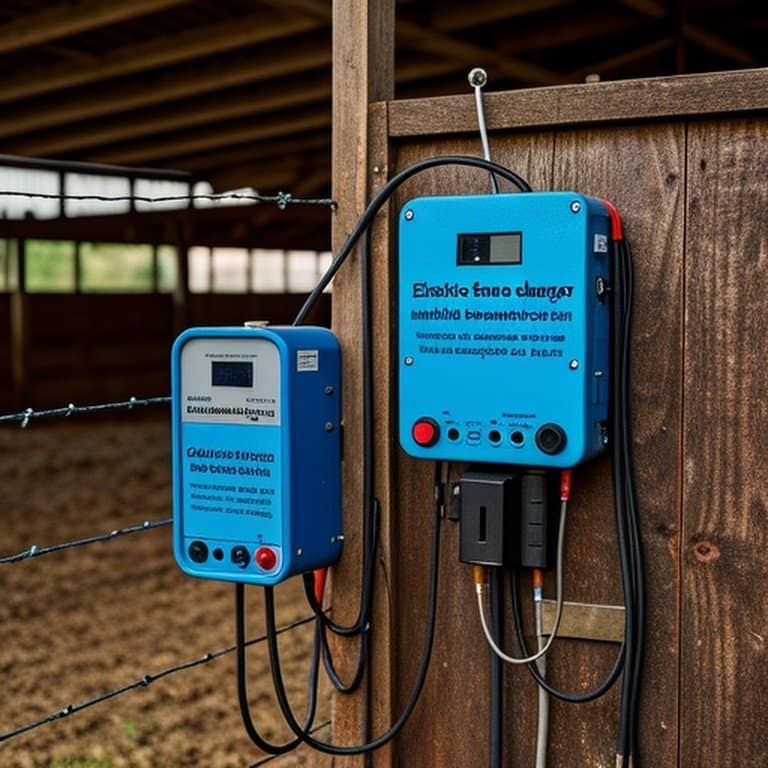
Electric fence chargers are long-term infrastructure, not disposable equipment. Many property owners expect them to last indefinitely and only think about lifespan when performance suddenly drops. Others replace chargers too early, assuming weak fences mean failure rather than normal wear elsewhere in the system. Misjudging charger lifespan can lead to unnecessary replacements, unexpected downtime, or livestock escapes at the worst possible moment. Knowing realistic service life helps with planning, budgeting, and deciding whether a problem is truly the charger—or something else in the fence system.
Key Factors to Consider
- Power source type: mains, battery, or solar
- Environmental exposure to moisture, heat, and dust
- Electrical load and fence system size
- Grounding quality and voltage stability
- Frequency of surges, lightning, or power fluctuations
Detailed Explanation
Electric fence chargers are solid-state devices designed for continuous operation. Mains-powered chargers generally last the longest because they avoid battery degradation and experience stable voltage input. When installed in dry, protected locations with proper grounding, these units often function reliably for decades. Failure, when it occurs, is usually sudden and electronic rather than gradual.
Battery and solar chargers have shorter practical lifespans, not because the energizer electronics fail quickly, but because batteries wear out. Rechargeable batteries typically lose capacity after several years, especially when exposed to deep discharge cycles, extreme temperatures, or inconsistent charging. In many cases, replacing the battery restores performance even when the charger itself remains functional.
Environmental stress plays a major role across all charger types. Moisture intrusion, insects, dust, and UV exposure slowly degrade internal components. Chargers mounted outdoors without protection tend to fail earlier, regardless of brand or power rating. Electrical stress also matters: undersized chargers working at maximum output continuously age faster than units with excess capacity.
Importantly, many chargers are blamed for problems caused by fencing issues. Poor grounding, heavy vegetation contact, broken insulators, or long fence expansions often reduce voltage, creating the illusion of charger failure. In practice, chargers often outlast several generations of fence wire and posts.
Power Source Differences Over Time
Mains-powered chargers age slowly and predictably. Battery and solar chargers age unevenly, with battery condition becoming the limiting factor long before electronics fail.
Environmental Protection Matters
Chargers installed in sheltered, ventilated locations consistently outlast identical units exposed to weather, condensation, or insects.
Electrical Load and Wear
Chargers running near maximum capacity all the time experience more internal heat and stress, shortening service life compared to oversized units.
When This Works Well
- Charger is properly oversized for fence system
- Installed in dry, protected location
- Grounding system is well maintained
- Fence load remains stable over time
When This Is Not Recommended
- Charger is exposed to weather without protection
- Battery or solar units run deeply discharged often
- Fence system continually expands without resizing
- Grounding and surge protection are neglected
Alternatives or Better Options
Replacing Batteries Instead of Chargers
Many “failed” solar or battery chargers only need a new battery, extending useful life at low cost.
Oversizing the Charger Initially
A larger charger runs cooler and lasts longer under the same fence load.
Adding Surge Protection
Lightning and power surges are a leading cause of premature electronic failure.
Cost / Safety / Practical Notes
While electric fence chargers are built to last, their lifespan is closely tied to installation quality. Spending slightly more upfront on a robust charger, proper grounding, and surge protection often adds years—or decades—of service. From a safety standpoint, declining output should be investigated promptly, as weak fences encourage livestock to challenge boundaries, increasing injury and escape risks. In real-world use, many chargers are replaced not because they fail, but because fence systems outgrow them.
📍 Video Demonstration
Quick Takeaway
A well-installed electric fence charger is a long-term asset, often lasting longer than the fence it powers.