
Short Answer
Electric fence posts should generally be set 12–18 inches deep for temporary fences and 24–36 inches deep for permanent electric fences. Corner and end posts require deeper placement—often 36–42 inches—to handle wire tension and long-term stability. Proper depth matters more than post material for fence strength and reliability.
Why This Question Matters
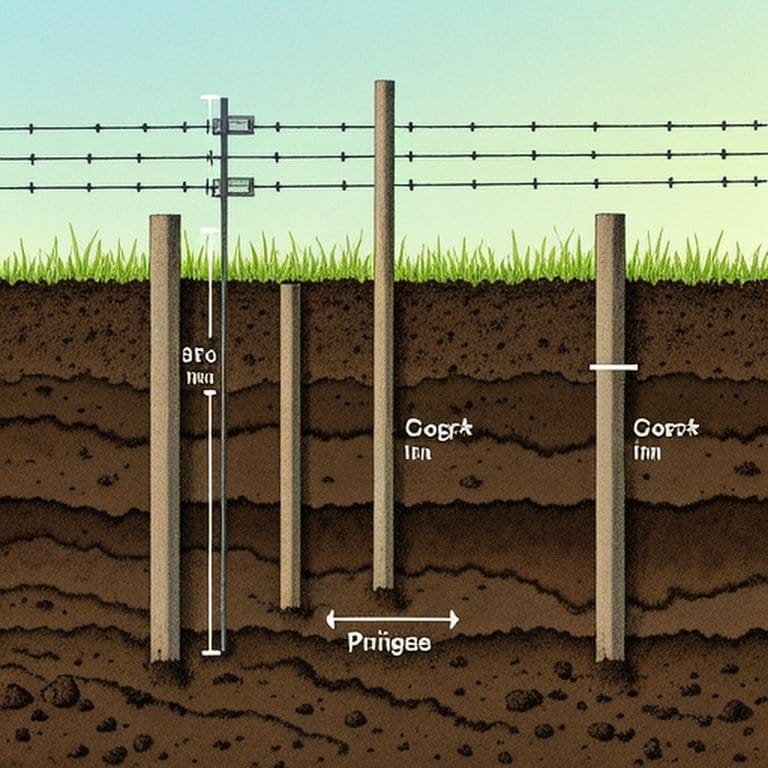
Post depth is one of the most common failure points in electric fence installations. Many fences fail not because of weak chargers or poor wire, but because posts shift, lean, or loosen over time. Shallow posts lead to sagging wires, inconsistent voltage, and frequent repairs—especially after rain, frost, or livestock pressure. This question comes up repeatedly because post depth looks simple but directly affects fence performance, maintenance costs, and how long the system lasts without constant adjustment.
Key Factors to Consider
- Fence type: temporary, semi-permanent, or permanent installation
- Post role: line posts versus corner or end posts
- Soil conditions such as sand, clay, rock, or moisture level
- Livestock pressure and fence tension requirements
- Climate factors including frost depth and seasonal soil movement
Detailed Explanation
Electric fence posts serve a structural role, even though the fence relies on electricity rather than physical strength. Line posts mainly keep wires positioned correctly, while corner and end posts absorb tension from stretched wire. Because of this, depth requirements vary depending on the post’s role in the fence system.
For temporary electric fencing, such as polywire or step-in posts used in rotational grazing, posts are typically driven 12–18 inches into the ground. These systems rely on flexibility and frequent movement rather than long-term rigidity. Going deeper offers little benefit and makes relocation harder without significantly improving performance.
For permanent electric fences, line posts should be set 24–30 inches deep in most soil types. This depth provides enough resistance against wind, wire tension, and livestock contact while minimizing frost heave and soil movement. In loose or sandy soil, deeper placement—closer to 30–36 inches—is often necessary.
Corner and end posts experience the highest stress. These posts anchor the entire fence line and must resist constant wire tension. They are typically set 36–42 inches deep, sometimes deeper in soft soil or high-tension systems. Bracing systems help distribute load, but depth remains critical for long-term stability.
Shallow posts may appear stable at first but loosen over time. Rain, freeze-thaw cycles, and livestock rubbing gradually reduce holding power. Proper depth prevents leaning, keeps wire heights consistent, and reduces the need for re-tensioning and realignment.
Soil Type and Post Depth
Soil directly affects how deep posts should be driven. Sandy or loose soils require deeper placement for equivalent stability, while heavy clay may allow slightly shallower depths. Rocky soils often limit depth, making post diameter and bracing more important than penetration alone.
Fence Type Differences
Temporary fences prioritize speed and flexibility, while permanent systems prioritize longevity. Applying permanent-fence depth standards to temporary systems wastes effort, while using temporary depth standards on permanent fences leads to early failure.
Climate and Frost Considerations
In cold climates, posts must extend below the local frost line whenever possible. Frost heave can push shallow posts upward over time, loosening wires and causing uneven fence height.
When This Works Well
- Posts are matched to fence type and tension requirements
- Soil conditions are evaluated before installation
- Corner and end posts are set deeper than line posts
- Post depth accounts for seasonal soil movement
When This Is Not Recommended
- Using shallow depths for permanent or high-tension fences
- Treating all posts the same regardless of their structural role
- Ignoring frost depth in cold climates
- Relying on wire tension to compensate for weak post placement
Alternatives or Better Options
Steel T-Posts
Provide strong holding power with less depth than wood posts, especially in firm soils. Ideal for permanent electric fences with moderate tension.
Fiberglass or Composite Posts
Useful where corrosion or rot is a concern, though depth still matters for stability in loose soil.
Braced Corner Assemblies
Allow slightly shallower corner posts by distributing tension across multiple posts, improving longevity in difficult ground conditions.
Cost / Safety / Practical Notes
Deeper posts cost more in labor and time, but reduce long-term maintenance significantly. Renting a post driver or auger often saves effort and improves consistency. Always check for underground utilities before driving posts. A well-set post protects wire height, voltage consistency, and animal safety by preventing sudden fence collapse or wire contact with the ground.
📍 Video Demonstration
Quick Takeaway
Correct post depth is foundational to electric fence performance. Shallow posts cause long-term problems, while properly set posts create a fence that stays aligned, energized, and low-maintenance for years.