
Short Answer
You can connect multiple fence lines to one energizer by running insulated lead-out wire from the energizer’s hot terminal to each fence line, tying them together in parallel. All fence lines share the same power source and grounding system, allowing one properly sized energizer to power multiple sections simultaneously.
Why This Question Matters
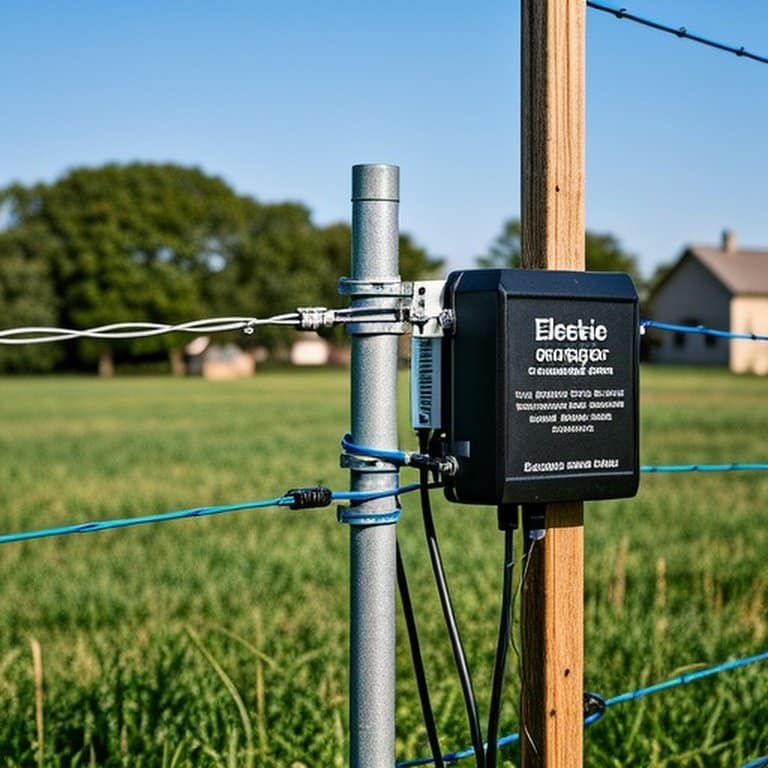
Many farms and properties use more than one fence line—separate paddocks, cross fencing, laneways, or perimeter plus interior fences. A common assumption is that each fence needs its own energizer, which quickly increases cost and complexity. When multiple fences are connected incorrectly, voltage drops, animals test the fence, and troubleshooting becomes difficult. Knowing how to correctly connect multiple fence lines to a single energizer helps avoid underpowered systems, simplifies maintenance, and ensures consistent shock delivery across the entire fencing setup.
Key Factors to Consider
- Energizer output capacity relative to total fence length
- Parallel versus series fence connections
- Quality and length of insulated lead-out wire
- Proper grounding shared across all fence lines
- Ability to isolate or disconnect individual fence sections
Detailed Explanation
Connecting multiple fence lines to one energizer works best when the fences are wired in parallel, not in series. In a parallel setup, each fence line receives power directly from the energizer rather than relying on current passing through another fence first. This ensures more even voltage distribution and reduces the risk that a fault on one line weakens the entire system.
Typically, insulated underground or lead-out wire is run from the energizer’s hot terminal to a central junction point, where it branches out to each fence line. Each branch then connects to its respective fence. All fences share the same ground system, which is critical for proper operation. Poor grounding is the most common reason multi-line systems fail, even when the wiring is correct.
Another important consideration is energizer capacity. Manufacturers often rate energizers by miles of fence under ideal conditions, but real-world setups include vegetation load, splices, and terrain. When powering multiple fences, the total effective fence length—not just the longest line—must be considered. If voltage drops below effective levels, upgrading the energizer is usually better than splitting fences across smaller units.
Isolation switches are highly recommended. They allow individual fence lines to be disconnected for maintenance or troubleshooting without shutting down the entire system.
Parallel vs Series Connections
Parallel connections deliver power to each fence independently, while series connections cause voltage loss and compound faults across fence lines.
Grounding for Multi-Line Systems
All connected fence lines must share the same grounding system to ensure consistent shock delivery and reliable animal containment.
Isolation and Control Options
Cut-out switches and junction boxes make it easier to manage multiple fence lines from one energizer.
When This Works Well
- One energizer rated for the total combined fence length
- Parallel wiring using quality insulated lead-out wire
- Well-designed and adequately sized grounding system
- Fence lines that are reasonably close to the energizer
When This Is Not Recommended
- Energizer already operating near its maximum capacity
- Extremely long or heavily loaded fence lines
- Poor soil grounding conditions without upgrades
- No way to isolate individual fence sections
Alternatives or Better Options
Larger Single Energizer
Upgrading to a higher-output energizer often improves reliability more than adding multiple smaller units.
Multiple Energizers by Zone
Large properties may benefit from separate energizers for distant or high-load fence areas.
Hybrid Systems
Using one energizer for perimeter fencing and another for interior fencing can simplify troubleshooting.
Cost / Safety / Practical Notes
Running one energizer instead of several reduces equipment cost, wiring complexity, and long-term maintenance. However, the energizer must be properly sized, and all connections should use insulated wire rated for fence voltage. For safety, keep energizers protected from moisture and physical damage, and clearly label junction points. Regular voltage checks help ensure that all fence lines remain equally effective.
📍 Video Demonstration
Quick Takeaway
Multiple fence lines can be safely and effectively powered by one energizer when connected in parallel with proper grounding and sufficient energizer capacity.