
Short Answer
To test an electric fence properly, use a digital fence voltage tester to measure voltage at the energizer, grounding system, and multiple points along the fence line. Compare readings to expected voltage levels and look for sharp drops, which indicate faults, grounding issues, or energy leakage. Never rely on physical contact or visual inspection alone.
Why This Question Matters
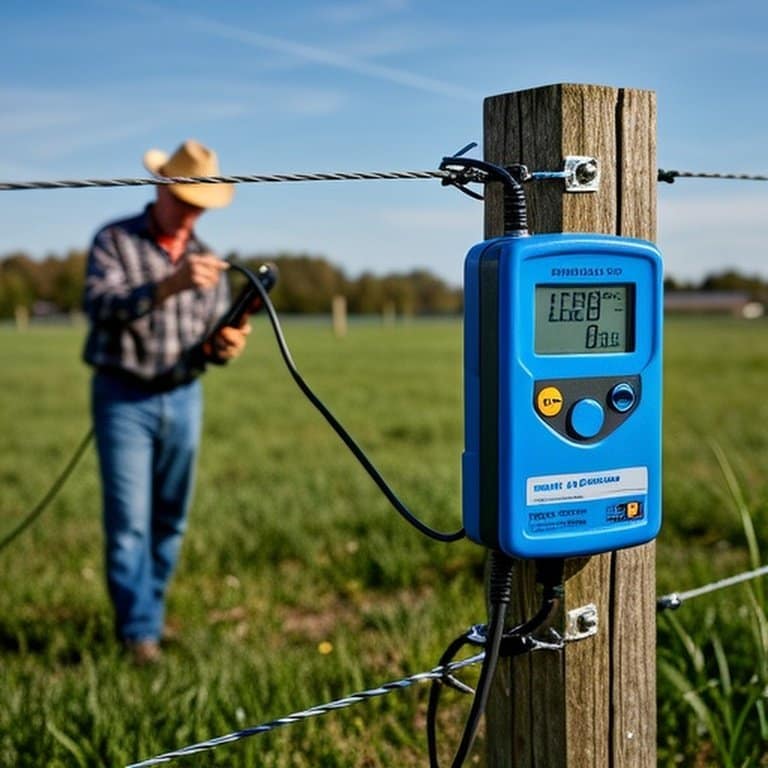
Electric fences often appear “on” while delivering ineffective shocks, making testing one of the most misunderstood parts of fence maintenance. Many fence owners assume that if the energizer is clicking or the fence sparks, it must be working correctly. In reality, livestock escapes, predator breaches, and inconsistent animal behavior are frequently caused by undetected voltage loss. Improper testing leads to false confidence, repeated troubleshooting, and unnecessary equipment upgrades. Knowing how to test an electric fence correctly saves time, prevents safety risks, and ensures the fence performs its intended containment or deterrence function.
Key Factors to Consider
- Type and accuracy of the voltage tester being used
- Minimum voltage required for the specific livestock or predator
- Consistency of voltage from energizer to far fence sections
- Grounding system performance under real soil conditions
- Presence of vegetation, faults, or load points along the fence
Detailed Explanation
Proper electric fence testing starts with the right tool. A digital electric fence voltage tester is essential because it provides precise readings in kilovolts. Test lights or improvised methods may show that power exists, but they cannot indicate whether voltage is high enough to be effective. Testing should begin at the energizer output terminal to establish a baseline. This confirms the energizer is producing adequate voltage before energy travels through the fence system.
Next, test the fence line itself at multiple locations. Voltage should remain relatively consistent as you move away from the energizer. A gradual drop is normal, but sharp declines signal problems such as poor connections, broken wires, vegetation contact, or excessive fence load. Testing only near the energizer misses the most common failures, which usually occur at distant sections, gates, or branching points.
Grounding must also be tested, not assumed. A fence can show high voltage on the wire while still delivering weak shocks due to poor grounding. To test the ground system, deliberately short the fence by pushing metal rods against the wire several hundred feet from the energizer, then measure voltage on the ground rods. Readings above acceptable thresholds indicate insufficient grounding, dry soil, or inadequate ground rod depth.
Finally, testing should be performed under real operating conditions. Rain, drought, vegetation growth, and seasonal soil changes all affect fence performance. A fence that tests well once may fail weeks later if conditions change. Proper testing is not a one-time task but a repeatable diagnostic process that confirms the entire system—not just the energizer—is working correctly.
How Testing Methods Affect Accuracy
The accuracy of your test depends heavily on the tool and method used. Digital testers designed for electric fences measure peak voltage and respond quickly to pulsed current, while basic testers often underreport or oversimplify results. Testing with inappropriate tools can lead to incorrect conclusions, especially when diagnosing intermittent faults or grounding issues. Consistent testing methods make it easier to track changes over time.
Where You Test Matters Most
Testing only at the energizer provides limited insight. The most important readings come from high-risk areas such as fence ends, corners, gates, water crossings, and heavily vegetated zones. These locations experience higher electrical stress and are more likely to develop faults. Regular testing at the same reference points creates a reliable performance baseline.
Environmental Conditions and Test Results
Soil moisture, temperature, and vegetation growth directly influence test readings. Dry or frozen ground reduces grounding efficiency, while wet conditions can temporarily improve voltage delivery. Testing during different seasons helps identify whether performance issues are structural or environmental. Fence systems that barely meet voltage targets under ideal conditions often fail when conditions worsen.
When This Works Well
- Digital testers used consistently at multiple fence locations
- Systems with clearly defined voltage targets per livestock type
- Fences maintained with regular vegetation control
- Grounding systems tested under load, not visually assumed
- Operators familiar with normal voltage ranges for their setup
When This Is Not Recommended
- Relying on shock sensation or visual sparks to judge performance
- Testing only at the energizer and ignoring distant fence sections
- Using low-quality or non-fence-specific voltage testers
- Assuming grounding works without direct measurement
- Treating testing as a one-time installation task
Alternatives or Better Options
Some fence owners upgrade to smart fence monitors that provide continuous voltage tracking and alerts. These systems reduce manual testing but add cost and complexity. Another option is dividing large fence systems into smaller zones with independent testing points, making diagnostics faster and more reliable. For remote properties, handheld testers with memory functions can simplify trend tracking.
Cost / Safety / Practical Notes
A reliable digital fence tester typically costs far less than replacing livestock or upgrading energizers unnecessarily. Testing is also a safety issue—never touch a fence to “feel” whether it is working, especially in wet conditions. From a practical standpoint, recording voltage readings over time helps distinguish between sudden failures and gradual performance decline. Testing should be scheduled after storms, seasonal changes, or any fence modification to maintain predictable performance.
📍 Video Demonstration
Quick Takeaway
Testing an electric fence properly means measuring voltage at the energizer, along the fence line, and through the grounding system using a digital tester. Consistent readings, repeatable testing points, and attention to environmental conditions are what ensure a fence delivers reliable, effective shock when it matters.