
Short Answer
No, a properly designed and correctly operated electric fence will not kill livestock. Electric fencing delivers short, low-energy pulses intended to cause discomfort and behavioral correction, not physical harm. Deaths are extremely rare and almost always linked to faulty equipment, improper installation, or unusual environmental or health-related factors.
Why This Question Matters
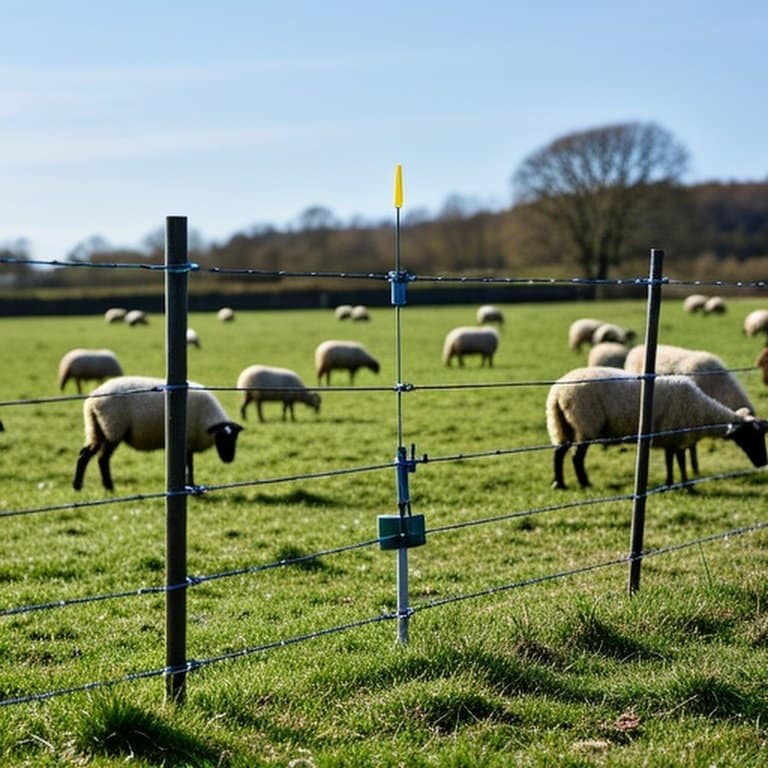
Livestock owners rely on electric fencing every day, yet stories about animals being “electrocuted” spread quickly and create fear. This question matters because it sits at the intersection of animal welfare, liability, and farm management. Farmers need confidence that containment systems will not injure or kill their animals, especially calves, sheep, goats, or horses. Clear answers help distinguish between safe, regulated electric fencing and dangerous misuse. Understanding the real risks also prevents overcorrection—such as abandoning effective systems or turning down power so far that containment fails.
Key Factors to Consider
- Electric fences use pulsed energy, not continuous electrical flow
- Current output is limited well below lethal thresholds
- Most livestock avoid repeated contact after initial training
- Fatal incidents usually involve compounding failures, not normal operation
Detailed Explanation
Electric fences are designed around animal behavior rather than brute force. When livestock touch the wire, they receive a brief, sharp pulse that triggers muscle contraction and discomfort. The pulse lasts milliseconds and is followed by a pause, preventing sustained current from flowing through the body. This design is intentional and regulated to avoid burns, cardiac interference, or nervous system damage.
In healthy animals, the shock causes an immediate withdrawal response. After one or two contacts, most livestock learn to respect the boundary visually and psychologically, reducing further contact almost entirely. This behavioral learning is why electric fencing works with far less physical material than traditional fencing and why long-term exposure does not accumulate harm.
When livestock deaths are attributed to electric fencing, investigations usually reveal multiple contributing failures. Common factors include improperly grounded systems that cause irregular energy discharge, non-certified energizers that exceed safe joule output, or animals becoming trapped against the wire for extended periods. Environmental conditions—such as flooding, mud, or entanglement with metal objects—can also alter current pathways in rare cases.
Health status matters as well. Severely stressed, dehydrated, or compromised animals may respond differently to electrical stimulus, though this alone is still unlikely to be fatal. The key point is that electric fencing itself is not a lethal tool. It becomes dangerous only when safety principles are ignored, equipment is modified beyond design limits, or maintenance is neglected. When used as intended, electric fencing remains one of the safest containment systems available for livestock.
How Livestock Behavior Affects Risk
Livestock behavior plays a major role in electric fence safety. Animals that are calm, well-trained, and familiar with fencing rarely make repeated contact. Curiosity-driven animals may test the fence once or twice, but learning happens quickly. Panic behavior, however, increases risk. Animals that bolt, crowd, or pile up—often due to predators, transport stress, or overcrowding—are more likely to press against fencing longer than intended.
Electric fencing works best when animals have space to retreat after contact. Tight enclosures, poorly planned corners, or pressure zones near water and feed increase the likelihood of prolonged contact. Good layout and stock management reduce these behavioral risk factors significantly.
Calves vs. Mature Livestock Considerations
Younger animals are more sensitive but also lighter and quicker to withdraw from shocks. Calves, lambs, and kids usually receive lower effective current because of body mass and shorter contact duration. Problems arise when wire height, spacing, or voltage is poorly matched to animal size.
Mature livestock have thicker hides and may require higher voltage for effective training, but this does not increase lethality when energizers are properly rated. The real danger comes from mismatched systems—using adult-level power on fencing poorly configured for young or confined animals.
Terrain, Visibility, and Pressure Zones
Uneven terrain, wet soil, and poor visibility all affect how electric fences interact with livestock. Slopes and corners can funnel animals into pressure points where retreat is harder. Mud, standing water, or metal debris can unintentionally improve conductivity, intensifying shocks in localized areas.
Visibility matters as much as voltage. Animals that clearly see fence lines are less likely to collide or become entangled. Adding visual markers, adjusting layout around high-traffic areas, and managing vegetation all reduce rare but preventable risk scenarios.
When This Works Well
- Livestock are trained gradually to respect electric fencing
- Fence layouts allow easy withdrawal after contact
- Certified energizers and grounding systems are used
- Animals are healthy and not under extreme stress
When This Is Not Recommended
- Crowded holding areas with no retreat space
- Flood-prone or permanently waterlogged ground
- Improvised energizers or modified power outputs
- Situations involving panicked or entangled animals
Alternatives or Better Options
In high-risk zones, combining electric fencing with physical barriers such as mesh or board fencing reduces prolonged contact. For young or newly introduced animals, temporary low-output training fences can establish respect before transitioning to standard systems.
In areas with frequent animal pressure—such as gates or feeding zones—non-electric reinforcement may provide safer control. These alternatives trade some flexibility and cost efficiency for added physical protection in sensitive scenarios.
Cost, Safety, and Practical Notes
Electric fencing remains one of the most cost-effective livestock containment options, largely because it relies on behavior rather than force. Safety-related expenses—proper grounding, rated energizers, visible tape or flags—are minor compared to overall system costs. Cutting corners in these areas is the leading cause of safety incidents.
From a practical standpoint, routine inspection matters more than raw voltage. Vegetation contact, damaged wires, or grounding degradation can all create unpredictable shock behavior. Long-term safety depends on maintaining consistent, controlled energy delivery rather than increasing power to compensate for poor upkeep.
Understanding Electric Fence Safety
Quick Takeaway
Electric fences do not kill livestock when designed, installed, and maintained correctly. Nearly all reported fatalities trace back to misuse, environmental extremes, or multiple system failures—not the normal operation of electric fencing.