
Short Answer
Yes, electric fencing is generally safe for children and pets when properly installed, clearly marked, and correctly maintained. The fence delivers a brief, low-energy pulse designed to startle, not injure. Accidental contact may be uncomfortable, but it is not dangerous under normal operating conditions using certified equipment and appropriate safety measures.
Why This Question Matters
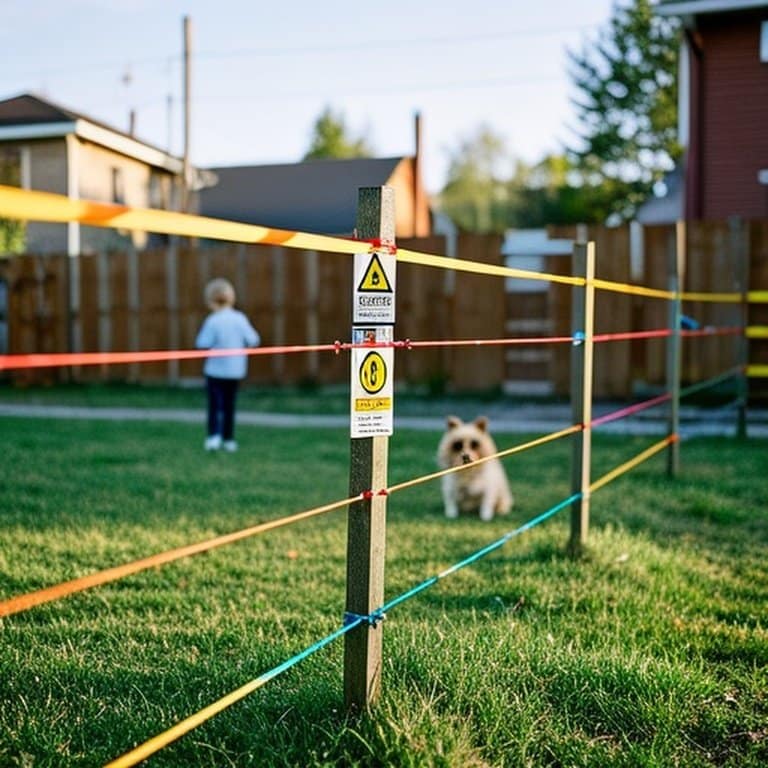
This question is especially important for families, small farms, and residential-adjacent properties. Unlike livestock, children and pets do not understand fencing boundaries or warning signs in the same way. Parents and pet owners want to know whether an accidental touch could cause serious harm—or lasting fear. Misunderstanding electric fencing often leads to unnecessary anxiety, neighborhood conflict, or unsafe improvisation. A clear, evidence-based answer helps people decide whether electric fencing is appropriate for shared or family-used spaces and what precautions are truly necessary to keep everyone safe.
Key Factors to Consider
- Electric fences use short pulses, not continuous electrical current
- Energy output is limited by safety standards, not voltage alone
- Visibility and warning signs reduce accidental contact
- Supervision and placement matter more than raw fence power
Detailed Explanation
Electric fences are designed to correct behavior through surprise, not force. When a child or pet touches an electric fence, the energizer releases a quick pulse lasting milliseconds, followed by a pause. This prevents sustained current from flowing through the body, which is what causes serious electrical injury. The shock feels sharp and startling, but it does not burn tissue or cause internal damage.
For children, the biggest concern is unexpected contact rather than injury. A sudden shock may cause crying or fear, but the physical effects end immediately once contact stops. Long-term harm does not occur from brief exposure. This is why electric fencing is legally permitted in residential and agricultural settings when properly labeled and installed.
Pets respond differently based on size and behavior. Dogs and cats may experience a stronger perceived shock because of closer ground contact, but they also withdraw quickly. Like livestock, most pets learn to avoid the fence after one encounter and do not repeatedly test it. Problems arise when fences are hard to see, poorly grounded, or placed where animals can become trapped.
Safety issues are almost always linked to misuse. Improvised power sources, continuous-current devices, missing warning signs, or poorly planned layouts introduce unnecessary risk. Certified energizers are engineered with strict limits on pulse duration and energy output. When combined with good visibility, supervision, and routine checks, electric fencing remains a safe containment tool even in environments where children and pets are present.
How Child and Pet Behavior Affects Safety
Children explore with their hands and may not recognize danger cues. Curiosity-driven contact is the most common scenario, not repeated touching. Clear warning signs, visual fence elements, and physical separation from play areas significantly reduce this risk. Education also matters—children who are calmly shown what the fence does under supervision are less likely to touch it later.
Pets, especially dogs, are driven by movement and boundaries. Once startled, most avoid the fence entirely. Issues occur when pets chase prey into fence lines or encounter poorly visible wires. Designing fencing with animal behavior in mind improves safety more than adjusting electrical output.
Small Pets vs. Larger Animals
Smaller pets experience sharper sensations due to lower body mass and closer contact with the ground. However, certified energizers still limit energy to safe levels. The risk is emotional distress rather than physical harm.
Larger pets may require slightly higher voltage for deterrence, but safety remains unchanged when systems are properly regulated. Matching fence design to pet size and activity level is more important than increasing power.
Placement, Visibility, and Pressure Zones
Electric fences placed near walkways, play areas, or gates require extra visibility and signage. Corners and narrow paths increase accidental contact risk. Clear layout, wide tape, and visual markers dramatically reduce incidents.
Pressure zones—where children run or pets chase—should be buffered or avoided entirely. Fence placement decisions matter more than fence strength in shared-use environments.
When This Works Well
- Fences are clearly marked and easy to see
- Certified energizers with regulated output are used
- Children are supervised or educated about boundaries
- Pets are trained or acclimated gradually
When This Is Not Recommended
- Unmarked fencing in play or public-access areas
- Improvised or continuous-current power sources
- Poorly grounded or poorly maintained systems
- Locations with frequent unsupervised child access
Alternatives or Better Options
In family-heavy environments, combining electric fencing with physical barriers such as mesh, wood, or panels provides additional safety. This reduces direct contact while maintaining deterrence. For pets, low-height physical fencing paired with electric offsets often works better than electric-only designs.
Temporary fencing or reduced-output systems may also be appropriate during early training or high-activity seasons. These options trade flexibility for increased comfort and peace of mind in sensitive settings.
Cost, Safety, and Practical Notes
Electric fencing is affordable and efficient, but safety-related extras—warning signs, visibility tape, insulated handles—should never be skipped. These items represent a small cost increase with a large safety payoff. Overpowered systems do not improve safety and may increase fear or liability.
From a practical standpoint, regular inspection matters more than equipment choice. Vegetation contact, damaged insulators, or grounding issues can change how shocks are felt. Long-term safety depends on predictable performance, clear boundaries, and thoughtful placement—not higher voltage or stronger chargers.
Understanding Electric Fence Safety
Quick Takeaway
Electric fencing is safe for children and pets when designed for visibility, regulation, and supervision. The shock startles, not injures. Most real risks come from poor placement and misuse—not from the fence itself.