
Short Answer
An electric fence is generally effective when it delivers at least 4,000–5,000 volts at the fence line. For animals with thicker hides or stronger pressure behavior, 6,000–8,000 volts is often recommended. Voltage below these levels may still shock, but it usually fails to create a reliable psychological barrier that keeps livestock contained.
Why This Question Matters
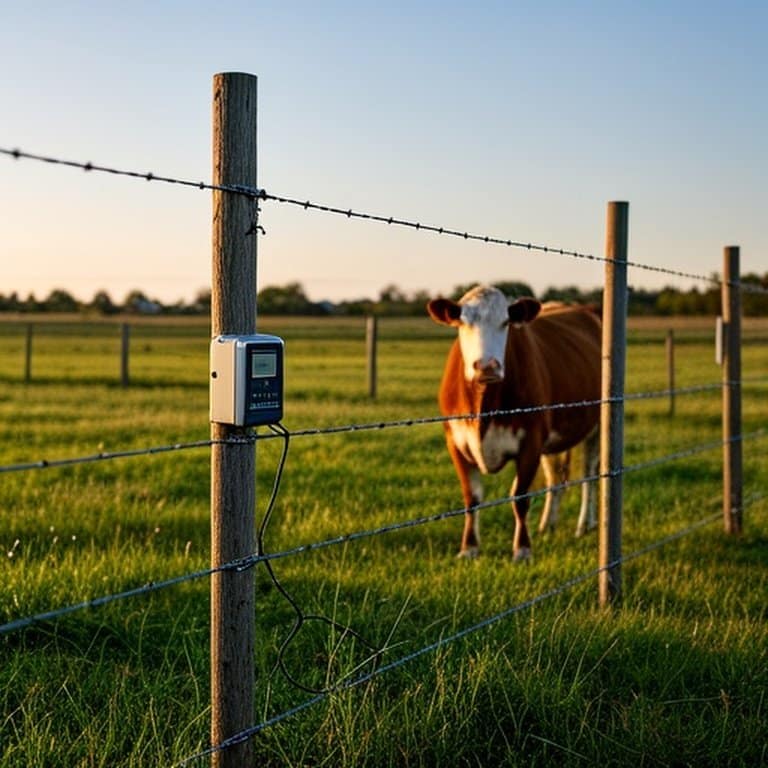
Electric fences don’t fail because they stop shocking—they fail because animals stop respecting them. Voltage is the single biggest factor that determines whether a fence creates a lasting mental boundary or becomes something livestock test and push through. Many fence problems traced to “animal behavior” are actually voltage problems in disguise. Too low, and animals learn they can challenge it. Too high, and people worry about safety or liability. Knowing the correct voltage range allows you to balance effectiveness, safety, and long-term fence reliability.
Key Factors to Consider
- Animal hide thickness and pain tolerance directly affect required voltage levels
- Fence length and number of wire strands influence voltage drop
- Grounding quality determines how much voltage actually reaches the animal
- Vegetation contact and moisture can significantly reduce fence voltage
- Fence purpose (containment vs deterrence) changes voltage requirements
Detailed Explanation
Electric fence effectiveness is not about delivering maximum pain—it is about delivering a sharp, memorable shock that livestock instinctively avoid repeating. Research and field experience show that most animals begin to respect electric fencing once voltage consistently exceeds about 4,000 volts at the point of contact. Below that threshold, animals may feel the shock but are not strongly conditioned to avoid the fence in the future.
Higher voltage levels are often necessary because real-world fences lose energy. Voltage drops occur through wire resistance, vegetation touching the fence, poor connections, and especially inadequate grounding. A charger rated for high voltage does not guarantee those volts are present at the fence line. That is why recommended operating ranges are intentionally higher than the bare minimum required to cause a shock.
Animal behavior also plays a role. Calm, well-fed animals in low-pressure environments may respect lower voltages, while hungry, stressed, or curious animals will challenge fences more aggressively. Thicker hides, longer hair, or insulating conditions such as dry soil further reduce shock effectiveness. In these cases, higher voltage compensates for energy loss and ensures consistent feedback.
Ultimately, the correct voltage is the one that remains high enough under worst-case conditions. A fence that measures 7,000 volts on a tester but drops to 3,500 volts during dry weather or heavy vegetation contact will fail when it matters most. That is why most experienced installers aim for a higher operating range than the minimum theoretical requirement.
How Cattle Behavior Affects This Choice
Cattle are large animals with relatively thick hides, and they tend to test boundaries through slow, steady pressure rather than sudden bursts. This behavior means they often tolerate weak shocks without immediate retreat. For cattle, voltage closer to the upper end of the effective range produces better long-term results because it creates a clear and memorable deterrent on first contact. Once cattle learn the fence is unpleasant, they usually respect it visually. If the initial shock is too weak, they may continue leaning or stepping forward, teaching themselves that the fence can be challenged safely.
Calves vs. Mature Cattle Considerations
Calves typically have thinner hides and lower tolerance, so they respond to lower voltages more quickly than mature cattle. However, fences are usually designed for the strongest animals in the system, not the weakest. If voltage is set only high enough for calves, mature cattle may ignore it. Designing voltage targets around adult animals ensures consistent behavior across mixed-age herds and prevents future fence upgrades as animals grow.
Terrain, Visibility, and Pressure Zones
Terrain influences how animals approach fences. Corners, gates, watering points, and feed areas experience higher pressure and require more reliable shock delivery. Poor visibility or uneven ground can cause accidental contact rather than intentional testing, making a strong but brief shock especially important. In these zones, higher voltage compensates for imperfect contact and ensures animals retreat instead of pushing through.
When This Works Well
- Animals encounter the fence visually before making contact
- Grounding is properly installed and maintained
- Vegetation is controlled to reduce voltage drain
- Fence runs are not excessively long without boosters
- Livestock are already accustomed to electric fencing
When This Is Not Recommended
- Ground conditions are extremely dry with poor conductivity
- Fence maintenance is inconsistent or infrequent
- Heavy vegetation constantly contacts the wire
- Animals are under extreme pressure from predators or hunger
- The fence is expected to replace solid physical barriers entirely
Alternatives or Better Options
For high-pressure situations, combining electric fencing with physical barriers can improve reliability. Adding a visible tape or polywire increases visual deterrence without changing voltage. In long perimeter systems, upgrading the energizer or adding additional ground rods often produces better results than simply increasing voltage output. In some cases, multi-strand designs outperform single-wire fences even at the same voltage level.
Cost, Safety, and Practical Notes
Higher voltage systems usually require stronger energizers and better grounding, which increases upfront cost. However, they often reduce long-term expenses by minimizing escapes, fence damage, and labor spent on repairs. From a safety standpoint, modern electric fences deliver high voltage but extremely low amperage, making them safe for livestock and humans when installed correctly. The real risk comes from poorly grounded or improperly connected systems, not from voltage itself. Investing in proper installation almost always provides a better return than choosing a cheaper, underpowered setup.
Testing Electric Fence Voltage
Quick Takeaway
An electric fence should consistently deliver at least 4,000–5,000 volts, with higher ranges providing more reliable containment under real-world conditions. Effectiveness depends less on theoretical output and more on maintaining usable voltage at the fence line through proper grounding, design, and maintenance.