
Short Answer
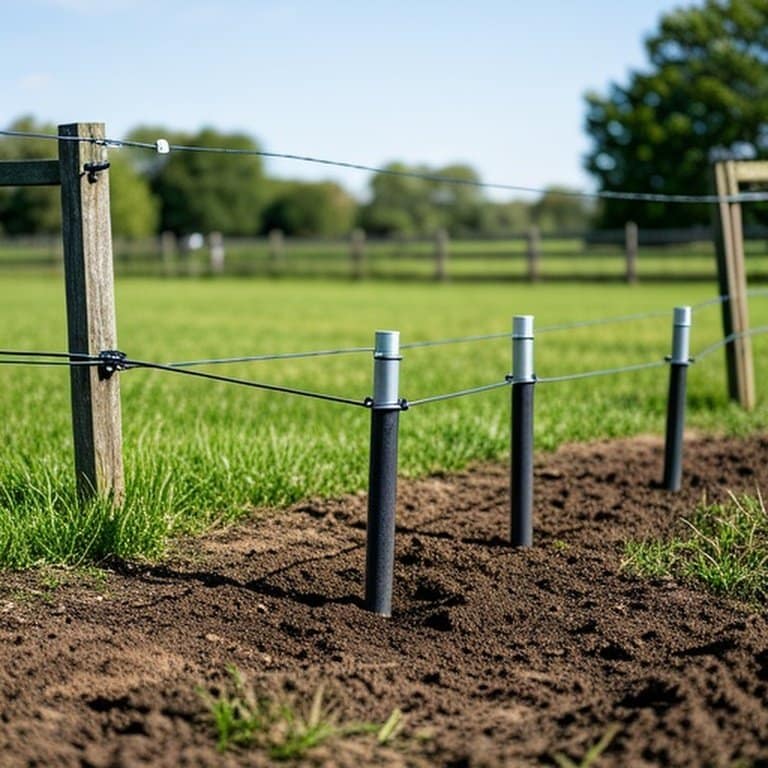
Most electric fence systems require a minimum of three ground rods, spaced about 10 feet apart, to work reliably. In dry, rocky, or high-load conditions, four to six ground rods may be necessary. Using only one rod is rarely sufficient and is one of the most common causes of weak or inconsistent fence voltage.
Why This Question Matters
Ground rods determine whether electricity can return to the energizer after an animal touches the fence. If the ground system is undersized, the shock feels weak no matter how powerful the energizer is. Many fence failures blamed on low voltage, bad chargers, or “stubborn animals” are actually grounding problems. Knowing how many ground rods are needed prevents wasted money on oversized energizers and avoids repeated troubleshooting. A correctly sized ground system stabilizes voltage, improves animal respect for the fence, and reduces long-term maintenance issues.
Key Factors to Consider
- Soil moisture and conductivity directly affect grounding efficiency
- Fence size and energizer output increase grounding demand
- Rod depth and spacing matter more than rod diameter
- Seasonal dryness or freezing reduces ground performance
- Poor connections negate the benefit of extra ground rods
Detailed Explanation
Electric fence grounding works by spreading electrical energy into the soil so it can return to the energizer when an animal completes the circuit. A single ground rod provides very limited soil contact, especially in dry or compacted ground. Multiple rods increase the surface area in contact with soil, improving conductivity and allowing more energy to flow back efficiently.
Three ground rods is the widely accepted baseline because it provides enough soil contact for most small to medium fence systems under average conditions. These rods must be driven fully into the ground and spaced apart so they do not interfere with each other. When rods are placed too close together, they draw from the same small volume of soil, reducing their effectiveness.
Larger fence systems, higher-output energizers, long fence runs, or heavy vegetation loads require additional grounding capacity. In these cases, voltage loss is not caused by the charger but by the ground system’s inability to carry returning energy. Adding more rods spreads the electrical load and stabilizes voltage across the fence line.
Environmental conditions also play a major role. Dry, sandy, rocky, or frozen soil conducts electricity poorly. During these periods, systems that worked well with three rods may suddenly underperform. Designing the ground system with extra capacity ensures reliable performance year-round rather than only under ideal conditions. By the end of proper grounding installation, voltage readings should remain stable even during dry weather or heavy fence load.
How Cattle Behavior Affects This Choice
Cattle apply slow, steady pressure when testing fences. If grounding is insufficient, shocks feel weak or inconsistent, encouraging repeated contact. This behavior quickly exposes marginal ground systems. Once cattle learn that a fence does not always deliver a strong shock, they are more likely to push through again. Using enough ground rods ensures every contact produces a consistent deterrent, reinforcing avoidance behavior and preventing learned fence challenges.
Calves vs. Mature Cattle Considerations
Calves often respond to weaker shocks, which can hide grounding deficiencies. As cattle mature, thicker hides and greater confidence reduce sensitivity to poor grounding. A system grounded for calves may fail completely with adult animals. Designing grounding capacity for mature cattle prevents future escapes and eliminates the need to retrofit ground systems as livestock grow.
Terrain, Visibility, and Pressure Zones
High-pressure areas such as gates, corners, water points, and feeding zones place greater demand on grounding systems. Poor visibility or uneven terrain increases accidental contact, which must still result in a strong shock. In elevated or rocky terrain, grounding capacity drops faster, making additional rods essential. These zones often reveal grounding problems first.
When This Works Well
- Soil remains moderately moist throughout most seasons
- Ground rods are fully driven and properly spaced
- Fence load is moderate with controlled vegetation
- Energizer output matches fence size
- Voltage is tested under real operating conditions
When This Is Not Recommended
- Only one or two ground rods are installed
- Ground rods are shallow or placed too close together
- Soil is extremely dry, rocky, or frozen
- Connections are loose or corroded
- Grounding is shared with building electrical systems
Alternatives or Better Options
Instead of relying on the minimum number of ground rods, many operators improve reliability by installing extra rods from the start. In difficult soil, relocating rods to shaded or wetter areas improves performance. For extreme conditions, adding a ground-return wire system can supplement soil grounding. These approaches often deliver better results than increasing energizer size alone.
Cost, Safety, and Practical Notes
Adding ground rods increases upfront material and labor costs, but it significantly reduces long-term losses from fence failure and animal escapes. From a safety perspective, proper grounding improves system predictability rather than increasing risk. Electric fences operate at low amperage, and adequate grounding ensures voltage behaves as designed. Most safety and performance issues stem from undersized or poorly installed ground systems, not from using too many rods.
Professional Grounding System Explanation
Quick Takeaway
Most electric fences need at least three ground rods, with more required for dry soil, large systems, or high fence loads. Properly spaced and installed rods stabilize voltage and are essential for reliable fence performance.