
Short Answer
Permanent electric fencing is a fixed, long-term fencing system designed to remain in place year-round, using durable posts, high-quality wire, and a continuously powered energizer. It works by delivering short, high-voltage, low-amperage pulses through the fence wire, creating a psychological barrier that trains livestock to avoid contact rather than physically restraining them.
Why This Question Matters
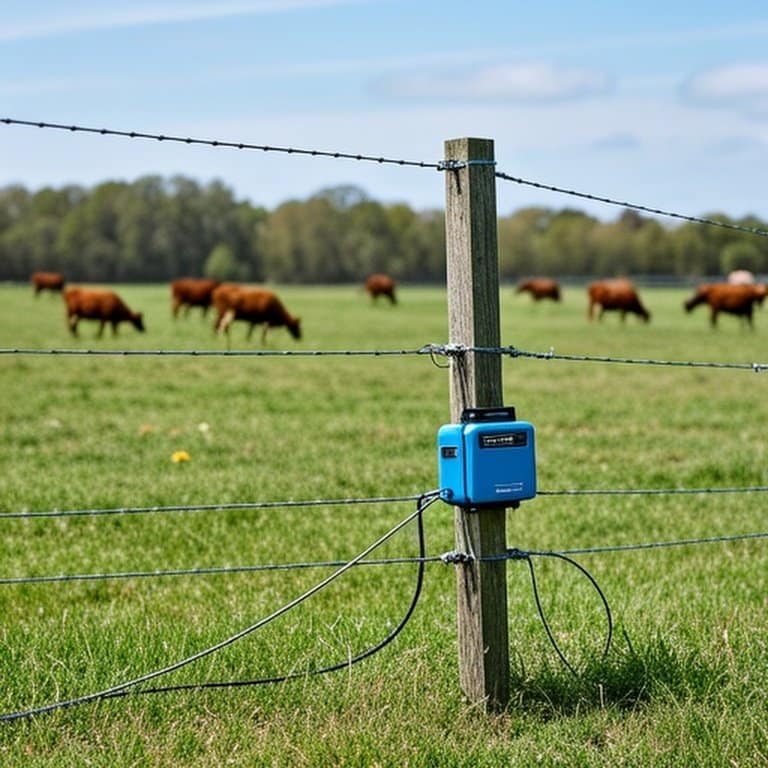
Many people confuse permanent electric fencing with temporary or portable systems, leading to poor design choices and fence failures. Permanent systems are not just “stronger versions” of temporary fences—they are engineered for long-term reliability, consistent voltage, and minimal daily adjustment. If you’re planning a perimeter fence, rotational grazing layout, or a multi-year livestock operation, choosing the wrong type can result in repeated repairs, animal escapes, and wasted investment. Understanding what permanent electric fencing is—and how it actually works—helps you decide whether it fits your land, livestock, and long-term management goals.
Key Factors to Consider
- Permanent systems rely on fixed posts and tensioned wire
- Consistent power supply is essential for long-term effectiveness
- Grounding quality directly affects fence performance
- Fence design prioritizes animal training over physical strength
- Initial setup cost is higher, but maintenance is lower over time
Detailed Explanation
Permanent electric fencing is designed to function continuously with minimal adjustment once installed. Unlike temporary fencing, which prioritizes portability and flexibility, permanent systems use solid corner assemblies, driven or set posts, and high-tensile wire that remains under consistent tension. This structural stability allows the electrical system to operate predictably across long distances and through seasonal changes.
The fence works by delivering brief electrical pulses from an energizer into the fence wire. When an animal touches the wire, electricity travels through the animal and returns to the energizer via the ground system. The shock is sharp and memorable but not harmful, conditioning animals to avoid future contact. Over time, livestock learn to respect the fence visually, reducing physical contact altogether.
What makes a system “permanent” is not just the materials, but the intent. These fences are designed to stay in place for years, often serving as perimeter boundaries or long-term paddock divisions. Because of this, components such as grounding systems, energizers, and wire selection are sized for worst-case conditions, including dry soil, vegetation load, and high animal pressure.
The effectiveness of permanent electric fencing depends less on brute strength and more on consistency. A fence that delivers the same strong deterrent every time an animal tests it quickly becomes part of the animal’s mental map. Once that respect is established, permanent electric fencing can outperform many physical fences at a fraction of the material cost.
Video Demonstration
How Cattle Behavior Affects This Choice
Cattle respond best to fencing systems that provide clear, consistent feedback. Permanent electric fencing excels here because it delivers uniform voltage day after day. Cattle tend to test boundaries slowly, applying steady pressure rather than sudden force. If the fence response is inconsistent, they learn they can challenge it safely. Permanent systems reduce this risk by maintaining tension, visibility, and electrical reliability. Once cattle experience a strong shock early, they typically respect the fence visually and reduce contact, which lowers long-term stress on both the fence and the animals.
Calves vs Mature Cattle Considerations
Calves are easier to contain because they are more sensitive to electric shock. However, permanent electric fencing must be designed for mature cattle, not just young stock. Adult animals have thicker hides, greater strength, and more confidence. A system that works only for calves will fail over time. Permanent fencing accounts for this by using higher-tensile wire, better grounding, and energizers capable of maintaining effective voltage as animals grow and pressure increases.
Terrain, Visibility, and Pressure Zones
Permanent electric fencing performs best when terrain and layout are considered during design. Corners, gates, water points, and feeding areas experience higher pressure and require strong structural support and reliable voltage. Visibility is also critical—well-placed wires at consistent heights reduce accidental contact and panic responses. In uneven terrain, permanent systems allow for precise tensioning and spacing, improving both safety and effectiveness.
When This Works Well
- Long-term perimeter or paddock fencing is required
- Livestock are trained or will be trained to electric fencing
- Reliable power and grounding can be installed
- Fence layout is not frequently changed
- Low ongoing maintenance is a priority
When This Is Not Recommended
- Fence layout must change frequently
- Power supply is unreliable or unavailable
- Installation budget is extremely limited
- Short-term or seasonal fencing is sufficient
- Temporary containment is the primary goal
Alternatives or Better Options
In situations where flexibility is more important than durability, temporary or semi-permanent electric fencing may be a better choice. These systems use lighter posts and portable energizers and are easier to move but require more frequent adjustment. In high-pressure areas, combining permanent electric fencing with physical barriers can increase reliability. The best option depends on whether long-term stability or short-term adaptability is the primary goal.
Cost, Safety, and Practical Notes
Permanent electric fencing typically costs more upfront due to heavier posts, better wire, and larger energizers. However, it often costs less over time because it requires fewer repairs and less daily management. From a safety standpoint, permanent systems are designed to deliver high voltage at very low amperage in controlled pulses, making them safe for livestock and people when installed correctly. The biggest risks come from poor grounding, neglected maintenance, or underpowered systems—not from the concept of permanence itself.
Quick Takeaway
Permanent electric fencing is a long-term, fixed containment system that works by training livestock through consistent electrical deterrence. When properly designed and installed, it offers reliable containment, lower maintenance, and strong long-term value.