
Short Answer
Permanent electric fencing is a fixed, long-term system built with high-tensile wire, solid posts, and continuous power, designed to last for decades. Temporary electric fencing uses lightweight posts and portable materials, prioritizing flexibility and quick setup. The core difference is longevity versus adaptability—permanent fences stay put; temporary fences move.
Why This Question Matters
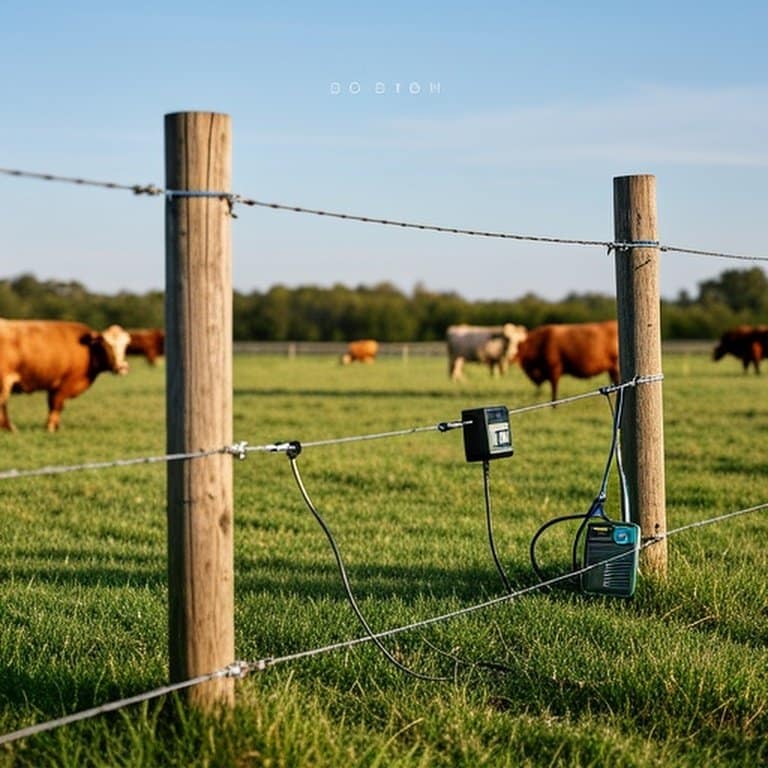
Many fencing failures come from choosing the right tool for the wrong job. People often expect temporary fencing to perform like a permanent perimeter, or they overspend on permanent materials where flexibility is essential. This question matters because the two systems are designed for different management styles, livestock pressure levels, and time horizons. Choosing incorrectly leads to higher costs, more labor, and unreliable containment. Understanding the difference helps you match fencing type to land use, herd behavior, and long-term goals—before money and effort are locked in.
Key Factors to Consider
- Intended lifespan and permanence of fence layout
- Material strength and resistance to long-term wear
- Power source reliability and grounding requirements
- Labor required for setup, adjustment, and maintenance
- Livestock pressure and behavioral training needs
Detailed Explanation
Permanent electric fencing is designed as infrastructure. It uses driven or set posts, properly braced corners, high-tensile wire, and a fixed energizer with a robust grounding system. Once installed, it is meant to remain in place for years with minimal adjustment. Its strength lies in consistency—wire tension stays stable, voltage remains reliable, and livestock quickly learn to respect the fence visually. This makes permanent fencing ideal for perimeter boundaries and long-term paddock divisions.
Temporary electric fencing, by contrast, is built for movement. It relies on step-in posts, polywire or polytape, and portable energizers. These systems are quick to install, easy to move, and well-suited for rotational grazing or short-term containment. However, their lighter materials stretch, sag, and degrade faster. Voltage consistency depends heavily on frequent adjustment and good conditions.
The difference is not just durability, but intent. Permanent fencing assumes the layout will not change and is designed to withstand seasonal stress, vegetation load, and animal pressure. Temporary fencing assumes change and accepts reduced durability in exchange for flexibility. Problems arise when temporary systems are used as permanent solutions or when permanent systems are installed where frequent change is required.
By the end of this explanation, the conclusion should be clear: permanent and temporary electric fencing solve different problems, and performance issues usually come from misalignment between fence type and management needs.
Video Demonstration
How Cattle Behavior Affects This Choice
Cattle quickly learn whether a fence is reliable. Permanent fencing delivers consistent voltage and tension, which discourages testing behavior early. Once trained, cattle apply minimal pressure, extending fence life. Temporary fencing can work well with trained cattle but is more vulnerable to repeated testing, especially under high stocking density or feed pressure. If cattle frequently challenge boundaries, permanent fencing is usually the better choice.
Calves vs Mature Cattle Considerations
Temporary fencing often works well for calves due to their lower pressure and sensitivity. Mature cattle are heavier, more confident, and more likely to test weak systems. A fence that works for calves may fail as animals grow. Permanent fencing is designed with mature livestock in mind, while temporary fencing is best used where animal pressure is controlled and predictable.
Terrain, Visibility, and Pressure Zones
Uneven terrain, corners, gates, and water points increase stress on fencing. Permanent systems handle these zones better due to stronger posts and bracing. Temporary fencing performs best on flat ground with good visibility and low-pressure movement. In high-pressure or poor-visibility areas, temporary systems require frequent attention to remain effective.
When This Works Well
- Fence layout is long-term and stable
- Livestock pressure is high or unpredictable
- Reliable power and grounding are available
- Maintenance labor needs to be minimal
- Perimeter or permanent paddock boundaries are required
When This Is Not Recommended
- Grazing layout changes frequently
- Short-term or seasonal fencing is sufficient
- Livestock pressure is low and well-managed
- Portability is a priority
- Budget favors low upfront cost over longevity
Alternatives or Better Options
Many operations combine both systems: permanent electric fencing for perimeters and main divisions, and temporary fencing for interior paddocks. This hybrid approach delivers long-term stability where it matters while preserving flexibility for grazing management. It often provides better overall performance and cost control than relying on only one fencing type.
Cost, Safety, and Practical Notes
Permanent fencing costs more upfront but usually costs less over its lifespan due to reduced repairs and labor. Temporary fencing is cheaper initially but requires ongoing adjustment and replacement. From a safety standpoint, permanent systems are more predictable and less prone to sudden failure. Temporary systems are safe when managed properly but depend heavily on user attention. The real risk lies in expecting temporary fencing to behave like permanent infrastructure.
Quick Takeaway
The difference between permanent and temporary electric fencing is longevity versus flexibility. Permanent fencing is built to stay and perform for decades; temporary fencing is built to move and adapt. Choosing the right one depends on how long the fence needs to last and how often your layout must change.