
Short Answer
The most common problems with permanent electric fences are poor grounding, inadequate voltage, vegetation contact, weak corner or gate construction, and inconsistent maintenance. Most failures are not caused by the fence itself, but by design shortcuts or neglected components that reduce voltage consistency and allow livestock to test and eventually ignore the fence.
Why This Question Matters
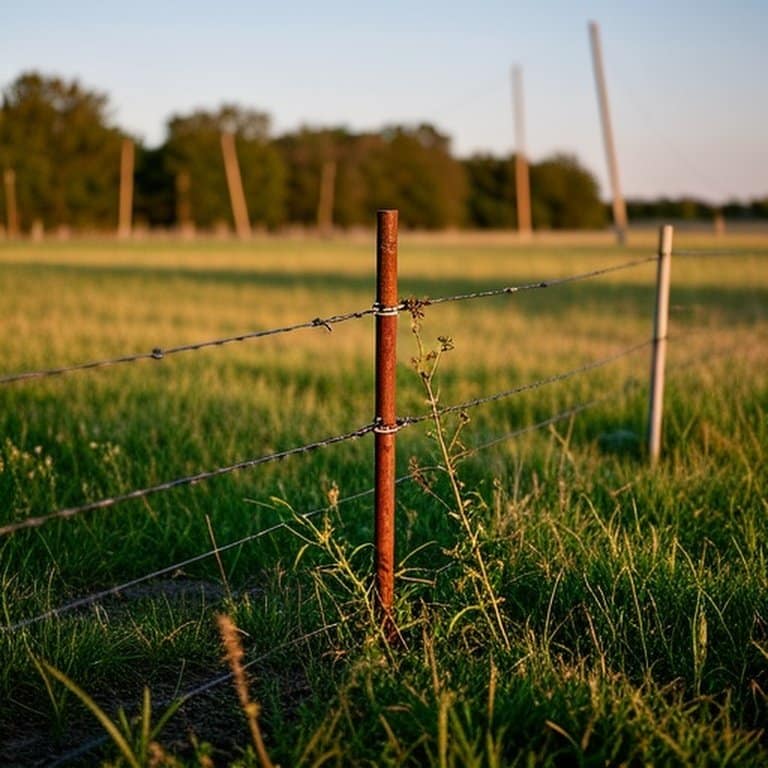
Permanent electric fences are often blamed for failures that actually stem from avoidable mistakes. When a permanent fence fails, the consequences are usually serious—livestock escapes, property damage, neighbor conflicts, or safety risks. Understanding the most common problems helps you diagnose issues correctly instead of replacing equipment unnecessarily. This question matters because many problems develop slowly and go unnoticed until animals learn the fence is unreliable. Once that happens, even a technically “fixed” fence may not regain animal respect without retraining.
Key Factors to Consider
- Grounding quality determines how much voltage animals actually feel
- Vegetation contact silently drains voltage over time
- Corner and gate assemblies handle the highest physical stress
- Energizer capacity must match fence size and strand count
- Inconsistent maintenance creates unpredictable fence behavior
Detailed Explanation
The most frequent cause of permanent electric fence problems is poor grounding. Without an effective ground system, electricity cannot complete the circuit, resulting in weak or inconsistent shocks. This problem often appears seasonally in dry or frozen soil and is commonly misdiagnosed as an energizer failure.
Another widespread issue is vegetation contact. Grass, weeds, and brush touching the fence wire constantly drain voltage, especially on long runs. Because this loss is gradual, operators often don’t notice until animals begin testing the fence. Permanent fences still require routine vegetation control to maintain performance.
Structural weaknesses are also common. Corners, end posts, and gates experience the highest tension and movement. If these assemblies are underbuilt, wire tension drops, insulators shift, and voltage leaks occur. These problems reduce both physical stability and electrical reliability.
Undersized energizers are another frequent mistake. Adding strands, extending fence length, or subdividing paddocks without upgrading energizer capacity leads to voltage drop across the system. The fence may appear energized but fail to deliver an effective deterrent at critical points.
Finally, neglected maintenance turns small issues into system-wide failures. Broken insulators, loose connections, corroded clamps, and leaning posts gradually degrade performance. By the time livestock start escaping, multiple small problems are often involved—not just one.
By the end of this explanation, the pattern should be clear: most permanent electric fence problems are predictable, preventable, and caused by design or maintenance gaps rather than material failure.
Video Demonstration
How Cattle Behavior Affects This Choice
Cattle test fences slowly and deliberately. When they encounter weak shocks or inconsistent response, they learn that pressure is safe. Once this behavior starts, it spreads quickly through the herd. Even after electrical issues are fixed, cattle may continue challenging the fence. This is why early detection of problems is critical—preventing behavioral learning is far easier than reversing it.
Calves vs Mature Cattle Considerations
Calves may tolerate marginal fence performance, hiding problems that become serious as animals mature. Adult cattle are heavier, stronger, and less sensitive to weak voltage. A fence that “worked fine for years” may suddenly fail when herd composition changes. Designing and maintaining fences for mature animals prevents this delayed failure pattern.
Terrain, Visibility, and Pressure Zones
Corners, gates, water points, and feeding areas experience higher pressure and more contact. Uneven terrain increases accidental contact, which demands consistent voltage. These zones often reveal problems before the rest of the fence does and should be inspected more frequently than straight runs.
When This Works Well
- Grounding is designed for worst-case soil conditions
- Vegetation is controlled regularly
- Corners and gates are properly braced
- Energizer capacity matches fence size
- Fence voltage is tested periodically
When This Is Not Recommended
- Fence is installed with minimal grounding
- Maintenance is infrequent or reactive
- Vegetation is allowed to contact wires
- Energizer is undersized
- Fence performance is assumed rather than measured
Alternatives or Better Options
In high-risk environments, combining permanent electric fencing with physical barriers can reduce failure impact. Another option is zoning large systems so problems are isolated rather than system-wide. Proactive monitoring—using regular voltage testing and seasonal inspections—often prevents the most common failures entirely.
Cost, Safety, and Practical Notes
Most permanent electric fence problems are inexpensive to fix early but costly to ignore. Poor grounding, weak voltage, and vegetation contact rarely require full rebuilds—just attention. From a safety standpoint, unpredictable fences are more dangerous than properly functioning high-voltage systems because animals and people misjudge risk. The most cost-effective approach is prevention: build correctly, inspect regularly, and fix small issues before they become behavioral problems.
Quick Takeaway
The most common permanent electric fence problems—poor grounding, voltage loss, vegetation contact, weak structure, and neglected maintenance—are all preventable. When these issues are addressed early, permanent electric fencing remains one of the most reliable containment systems available.