
Short Answer
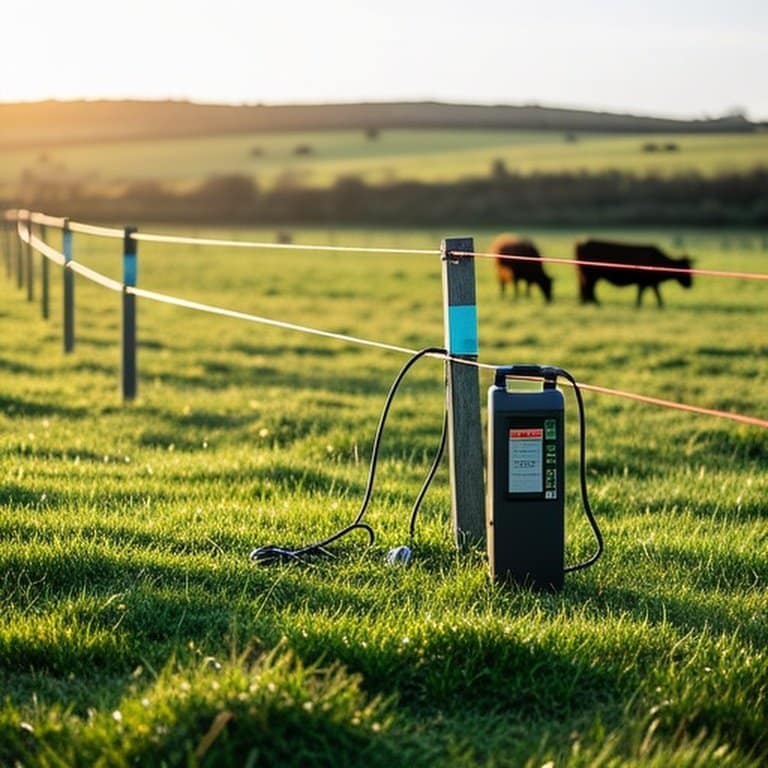
Temporary electric fencing is a portable, flexible fencing system designed for short-term livestock control. It uses lightweight posts, polywire or tape, and a movable energizer to create a psychological barrier rather than a permanent structure. You should use it when flexibility, quick setup, and frequent layout changes are more important than long-term durability.
Why This Question Matters
Many livestock owners struggle with overbuilding fences that don’t match how their land or animals are actually managed. Temporary electric fencing solves a very specific problem: controlling animals where needs change frequently. This question matters because using the wrong fence type can waste money, reduce grazing efficiency, and increase labor. Understanding what temporary electric fencing is—and when it truly makes sense—helps producers choose a system that matches rotational grazing plans, seasonal land use, and short-term containment needs without committing to permanent infrastructure too early.
Key Factors to Consider
- Designed for mobility, not decades-long installation
- Relies on animal training and visibility more than physical strength
- Faster to install and remove than permanent systems
- Lower upfront cost but higher ongoing labor
- Performance depends heavily on grounding and power consistency
Detailed Explanation
Temporary electric fencing is built around adaptability, not permanence. Unlike permanent electric fencing, which uses fixed posts, tensioned wire, and buried grounding systems, temporary fencing relies on lightweight materials that can be installed, moved, and removed with minimal tools. Step-in posts, polywire or polytape, and portable energizers allow one person to change a fence layout in minutes rather than hours or days.
The fence works by creating a psychological boundary. Animals learn to respect the shock quickly, and once trained, they avoid contact even though the fence itself has little physical strength. This is why visibility and consistent voltage are more important than heavy materials. If animals cannot see the fence clearly or experience inconsistent shock, they are more likely to test it.
Temporary electric fencing is most commonly used for rotational grazing, strip grazing, temporary paddocks, and short-term containment. It allows producers to control grazing pressure precisely, protect regrowth, and adapt to weather or forage conditions without rebuilding infrastructure. Because layouts change frequently, this system excels where land use is dynamic rather than fixed.
However, the same flexibility that makes temporary fencing useful also limits it. It is not designed to withstand heavy pressure, predators, or constant contact over long periods. Posts can shift, wires can sag, and energizers require regular checks. By the end of this explanation, the core idea should be clear: temporary electric fencing is a management tool, not a structural boundary, and it works best when used intentionally for short-term control.
Video Demonstration
How Cattle Behavior Affects This Choice
Cattle behavior plays a major role in whether temporary electric fencing succeeds. Cattle are highly responsive to electric shock and learn boundaries quickly when voltage is consistent. Once trained, they tend to respect even minimal fencing, which makes temporary systems effective for controlled grazing. Problems arise when cattle are untrained, hungry, or pressured by external factors such as dogs or weather. In those cases, cattle may test the fence, and temporary materials offer little physical resistance. This makes good training and calm handling essential when choosing temporary fencing.
Calves vs Mature Cattle Considerations
Calves adapt quickly to temporary electric fencing but require careful wire height placement to avoid accidental contact with sensitive areas. Mature cattle are heavier and more confident, which means they rely more on learned behavior than fear. Temporary fencing works best when cattle have prior exposure to electric fences. For first-time animals, pairing temporary fencing with visual aids or physical boundaries improves results and reduces escape attempts.
Terrain, Visibility, and Pressure Zones
Temporary electric fencing performs best on relatively even terrain where wire height remains consistent. Uneven ground increases the chance of voltage loss and accidental contact. Visibility is critical—polytape often outperforms polywire in high-traffic or windy areas. High-pressure zones such as corners, water access points, and mineral feeders require extra attention or reinforcement to prevent failures.
When This Works Well
- Rotational or strip grazing systems
- Seasonal pasture division
- Temporary containment during forage recovery
- Training livestock to respect electric fencing
- Operations needing frequent layout changes
When This Is Not Recommended
- Long-term perimeter fencing
- High predator pressure areas
- Untrained or highly stressed livestock
- Public-facing boundaries
- Locations with poor grounding conditions
Alternatives or Better Options
If land use is stable or boundaries rarely change, permanent electric fencing is usually a better long-term investment. In high-pressure or predator-prone areas, combining temporary fencing with physical barriers improves reliability. Some operations use a hybrid approach: permanent perimeter fencing with temporary internal divisions. This delivers flexibility without sacrificing security or durability.
Cost, Safety, and Practical Notes
Temporary electric fencing has a lower upfront cost but higher ongoing labor demands. Posts, wires, and energizers experience more wear due to frequent handling. Safety is generally high for livestock and people, but inconsistent voltage or poor grounding can reduce effectiveness and increase testing behavior. From a practical standpoint, success depends more on daily management than on materials alone. If you are willing to monitor, adjust, and move fencing regularly, temporary systems offer exceptional value. If not, frustration often outweighs savings.
Quick Takeaway
Temporary electric fencing is ideal when flexibility and short-term control matter more than permanence. It works best with trained animals, good visibility, and active management—and fails when treated like a permanent structure.