
Short Answer
A temporary electric fence can stay in place from a few days to several months, depending on materials, management, animal pressure, and weather. While some setups function reliably for an entire grazing season, temporary fencing is not designed for multi-year installation. Its lifespan is defined more by management intent than by structural durability.
Why This Question Matters
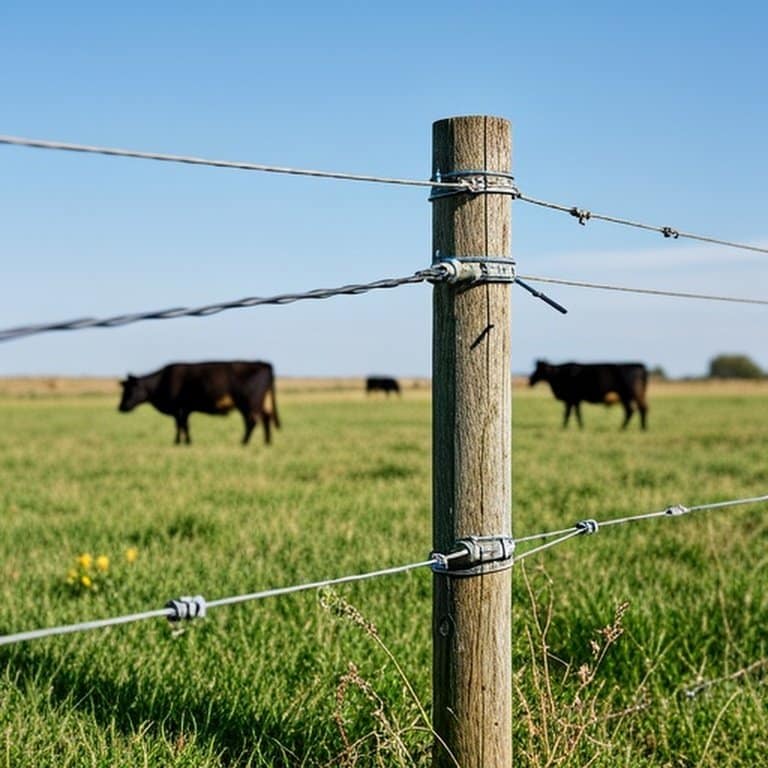
This question matters because many problems with temporary electric fencing come from using it longer than it was designed for. Producers often install a “temporary” fence, leave it untouched for months, and then blame the system when voltage drops or animals break through. Knowing how long a temporary fence can realistically stay in place helps match expectations to reality. It also affects labor planning, grazing efficiency, and whether a temporary setup should be upgraded to a semi-permanent or permanent system. Duration isn’t just about time—it’s about pressure, maintenance, and purpose.
Key Factors to Consider
- Intended use: short-term control versus seasonal grazing
- Animal pressure and stocking density
- Material quality (posts, wire, insulators)
- Weather exposure and vegetation growth
- Frequency of inspection and adjustment
Detailed Explanation
Temporary electric fencing does not have a fixed time limit. Instead, its effective duration depends on how it is used and maintained. In practice, most temporary fences fall into three categories: short-term (days to weeks), medium-term (several weeks to a few months), and seasonal (one grazing season).
For short-term applications—such as strip grazing or brief containment—temporary fences may be moved daily or weekly. In these cases, durability is irrelevant because the fence is constantly adjusted and rarely experiences prolonged stress. Performance is usually excellent.
Medium-term setups, where fences remain in place for several weeks or months, are common in rotational grazing systems. These can work well if voltage remains consistent, posts stay upright, and vegetation is controlled. However, as time passes, sagging wires, shifting posts, and grounding issues become more likely unless the fence is actively maintained.
Season-long use is the upper limit for most temporary electric fencing. While it can remain functional for an entire grazing season, it requires regular inspections and occasional re-tensioning. Leaving a temporary fence untouched for months often leads to voltage loss, poor visibility, and increased animal testing.
What temporary fencing is not designed for is multi-year, unattended use. Materials degrade faster than permanent systems, and animals eventually test boundaries when conditions change. By the end of this explanation, the key point should be clear: temporary electric fencing can stay in place as long as it is treated as temporary and managed accordingly.
Video Demonstration
How Cattle Behavior Affects This Choice
Cattle behavior changes over time, which directly affects how long a temporary fence can stay effective. Initially, cattle respect the fence due to novelty and training. Over weeks or months, they become more confident and may test boundaries—especially if forage pressure increases. A fence that held well early in the season may fail later if voltage drops or visibility declines. Longer placement requires stronger behavioral reinforcement through consistent shock and low-pressure grazing management.
Calves vs Mature Cattle Considerations
Calves typically adapt quickly and apply less physical pressure, allowing temporary fencing to remain effective longer. Mature cattle are heavier, more confident, and more likely to test boundaries over time. When fences stay in place longer, mature animals demand better voltage consistency and visibility. Mixed-age groups often shorten the practical lifespan of a temporary fence unless management is proactive.
Terrain, Visibility, and Pressure Zones
Uneven terrain accelerates fence degradation by causing wire height inconsistencies and post movement. Visibility decreases over time as grass grows and tape fades. Pressure zones—corners, gates, and water access points—wear out faster and often determine when a fence must be moved or rebuilt. These factors usually limit duration before materials fail.
When This Works Well
- Daily or weekly fence moves
- Seasonal rotational grazing systems
- Low stocking density
- Flat or gently rolling terrain
- Active monitoring and maintenance
When This Is Not Recommended
- Multi-year or unattended use
- High-pressure perimeter containment
- Heavy predator or public exposure
- Poor grounding or weak energizers
- Operators unable to inspect regularly
Alternatives or Better Options
If a fence is expected to remain in the same location for more than one season, a semi-permanent or permanent electric fence is usually more reliable. Many operations use temporary fencing only inside a permanent perimeter. This hybrid approach allows flexibility without sacrificing long-term stability. Upgrading posts or wire while keeping layouts flexible is often a better long-term solution than overextending temporary materials.
Cost, Safety, and Practical Notes
Temporary electric fencing appears inexpensive, but frequent replacement and labor can add up if used beyond its design window. Safety remains high for livestock and people, but voltage inconsistency increases risk of escapes rather than injury. Practically, the longer a temporary fence stays in place, the more it behaves like a poorly maintained permanent fence. Costs shift from materials to labor and frustration. Duration should be planned—not improvised.
Quick Takeaway
A temporary electric fence can stay in place days, weeks, or even a season—but only with active management. The longer it stays, the more attention it demands. Treat it as a flexible tool, not a permanent solution.