
Short Answer
The best materials for portable electric fencing are step-in posts, polywire or polytape with stainless steel conductors, quality insulators, and a reliable portable energizer. These materials balance visibility, conductivity, durability, and ease of movement. The right combination depends on livestock type, terrain, and how often the fence will be moved.
Why This Question Matters
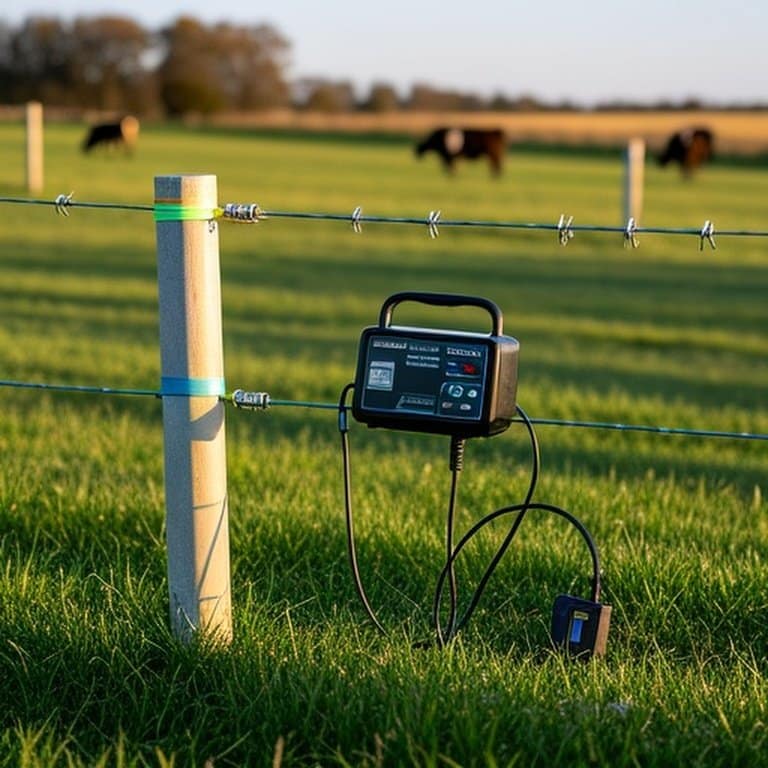
Portable electric fencing fails far more often due to poor material choices than poor design. Many producers assume all polywire, posts, and energizers perform the same, only to experience voltage loss, sagging lines, or livestock testing the fence. This question matters because portable systems depend heavily on material performance rather than physical strength. Choosing the wrong wire, posts, or energizer can turn an otherwise good grazing plan into a daily frustration. Understanding which materials actually work—and why—helps prevent failures before animals ever reach the fence.
Key Factors to Consider
- Visibility matters as much as electrical conductivity
- Materials must withstand frequent handling and relocation
- Conductive strands determine voltage delivery, not thickness
- Post stability affects long-term alignment and wire height
- Energizer output must match fence length and conditions
Detailed Explanation
Portable electric fencing works best when each material supports mobility without sacrificing reliability. Unlike permanent fencing, where strength and longevity dominate material choices, portable systems prioritize flexibility, visibility, and quick setup.
Polywire and polytape are the most common conductors. Polywire is lightweight, easy to reel, and ideal for frequent moves, but it offers limited visibility. Polytape is wider and more visible, making it better for horses or high-traffic areas, though it catches wind and wears faster. In both cases, the number and quality of stainless steel conductors matter more than thickness. More conductors mean better voltage transfer over distance.
Step-in posts are the backbone of portability. Fiberglass or plastic step-in posts allow quick placement and removal without tools. Post spacing directly affects wire stability—wider spacing reduces setup time but increases sagging. Durability varies widely between brands, and cheap posts often crack or lose footing after repeated use.
Insulators, often overlooked, play a critical role. Integrated insulators on step-in posts simplify setup, but poor-quality plastic can leak voltage or degrade under UV exposure. Consistent insulation ensures that voltage reaches animals instead of grounding out prematurely.
Finally, portable energizers—battery, solar, or plug-in—determine system reliability. Undersized energizers are the most common cause of failure. A portable fence with perfect materials still fails if voltage drops under load from vegetation or long fence runs.
By the end of this explanation, one principle should be clear: portable electric fencing succeeds when materials are chosen as a system, not as individual components.
Video Demonstration
How Cattle Behavior Affects This Choice
Cattle respond strongly to visibility and consistency. When materials are easy to see and deliver a reliable shock, cattle quickly learn to respect the fence. Thin polywire with poor contrast often leads to accidental contact, which encourages testing. Durable posts that maintain consistent height reinforce learned boundaries. Over time, cattle rely more on memory than fear, so material consistency becomes increasingly important the longer a fence remains in place.
Calves vs Mature Cattle Considerations
Calves benefit from highly visible materials such as polytape or flagged polywire. Their smaller size requires lower wire placement and closer post spacing. Mature cattle apply more pressure and test boundaries more confidently, demanding stronger voltage delivery and better post stability. Mixed-age groups often perform best with higher-quality conductors and tighter spacing to maintain consistent performance.
Terrain, Visibility, and Pressure Zones
Uneven terrain increases the need for flexible posts and adjustable wire height. Visibility becomes critical near gates, water points, and corners where livestock pressure concentrates. In these zones, wider tape or double-strand setups improve respect. Materials that perform well on flat ground may fail quickly on slopes or rocky soil without reinforcement.
When This Works Well
- Frequent fence moves and layout changes
- Rotational or strip grazing systems
- Trained livestock familiar with electric fencing
- Low to moderate predator pressure
- Operators willing to monitor fence condition
When This Is Not Recommended
- Long-term perimeter containment
- High predator or wildlife pressure
- Public-facing boundaries
- Infrequent inspection or maintenance
- Extremely windy or harsh environments
Alternatives or Better Options
For areas where fence lines remain stable for long periods, semi-permanent materials such as fiberglass posts with high-tensile wire may outperform fully portable systems. Many producers use portable materials only for internal divisions while relying on permanent fencing for perimeters. This hybrid approach reduces material wear while preserving flexibility where it matters most.
Cost, Safety, and Practical Notes
Portable electric fencing materials cost less upfront but wear faster due to repeated handling. Cheap polywire loses conductivity quickly, and low-quality posts break under stress. Safety for livestock and people remains high when voltage is consistent, but poor materials increase escape risk rather than injury risk. Practically, investing slightly more in better conductors and posts usually reduces labor and frustration over time. The cheapest materials often become the most expensive in the long run.
Quick Takeaway
The best materials for portable electric fencing are visible conductors, durable step-in posts, reliable insulation, and a properly sized energizer. Choose materials that work together as a system—not just what’s cheapest on the shelf.