
Short Answer
Temporary electric fencing typically costs $50–$200 per acre for materials, depending on layout, livestock type, and component quality. Simple single-strand systems with step-in posts fall at the low end, while multi-strand, high-visibility setups with stronger energizers cost more. Labor and management time are ongoing costs not included in material estimates.
Why This Question Matters
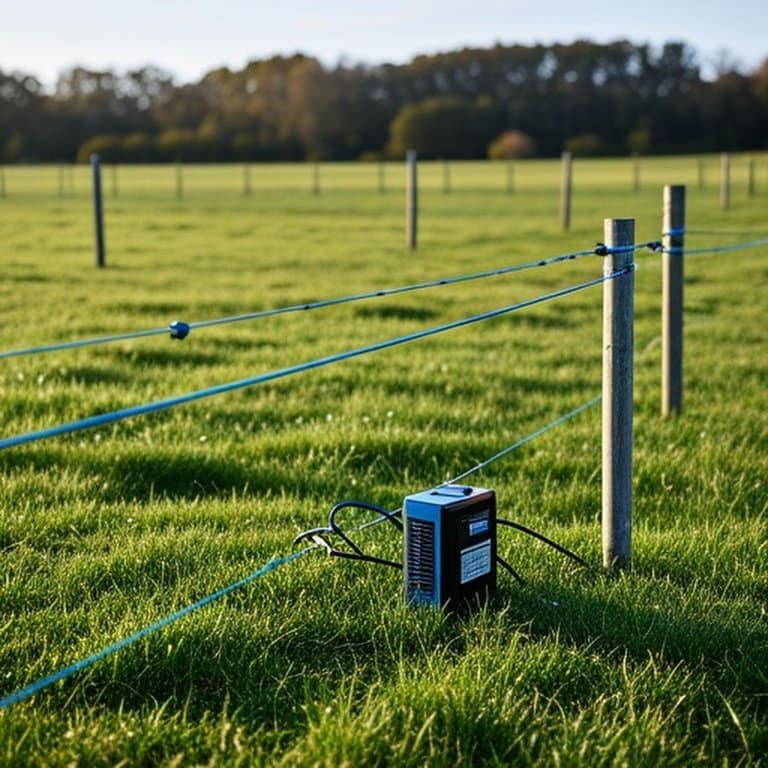
Cost is one of the main reasons producers choose temporary electric fencing—but it’s also where expectations often break down. Many people compare only upfront material costs and overlook layout efficiency, labor, and replacement cycles. This question matters because “per acre” cost can vary widely depending on paddock shape, stocking pressure, and how often fences move. Understanding what actually drives cost helps avoid underbuilding a system that fails—or overbuilding one that defeats the purpose of being temporary.
Key Factors to Consider
- Fence layout and paddock shape, not acreage alone
- Number of strands required for livestock type
- Post spacing and durability
- Energizer size and power source
- Frequency of moves and material reuse
Detailed Explanation
Temporary electric fencing costs are best understood by separating materials, layout efficiency, and management intensity. The materials themselves—polywire or polytape, step-in posts, and a portable energizer—are relatively inexpensive compared to permanent fencing. However, how those materials are deployed determines the real per-acre cost.
In efficient rotational grazing systems, a single reel of polywire and a set of step-in posts may be reused across many acres. In this case, the effective cost per acre drops dramatically because materials are not dedicated to a single location. A one-strand system for cattle might cost closer to the low end of the range when materials are reused frequently.
Costs rise when fencing becomes more complex. Multiple strands, closer post spacing, or wider polytape for visibility all increase material investment. Irregular paddock shapes also drive up costs by increasing total fence length per acre. An acre divided into long strips uses far less fencing than the same acre broken into small, square paddocks.
Energizers are another hidden variable. While often purchased once, undersized energizers reduce fence effectiveness and lead to costly failures. Proper sizing may increase initial cost but lowers long-term expense by preventing escapes and retraining.
It’s also important to understand what “cost per acre” does not include: labor. Temporary fencing trades lower material costs for higher management input. Time spent moving, checking, and adjusting fences is part of the real cost. By the end of this explanation, the takeaway should be clear: temporary electric fencing is cheap per acre when materials are reused efficiently and management is intentional.
Video Demonstration
How Cattle Behavior Affects This Choice
Well-trained cattle reduce fencing costs over time. When animals respect a single strand, fewer materials are needed per acre. Untrained or pressured cattle often require additional strands or closer post spacing, increasing cost. Behavioral reliability directly influences how minimal a system can be without failing.
Calves vs Mature Cattle Considerations
Calves usually require lower wire placement and sometimes extra visibility, which can increase material use slightly. Mature cattle may need higher voltage but often perform well with fewer strands once trained. Mixed herds often push costs upward because systems must accommodate the most demanding group.
Terrain, Visibility, and Pressure Zones
Flat land minimizes fence length and post requirements. Slopes, corners, and water access points increase material needs and raise per-acre cost. Poor visibility often leads to adding tape or flags, which improves performance but increases expense.
When This Works Well
- Rotational grazing with frequent fence moves
- Large areas divided sequentially
- Trained livestock with low fence pressure
- Simple, linear paddock designs
- Operators focused on reuse efficiency
When This Is Not Recommended
- Permanent or long-term perimeter fencing
- High predator or public exposure areas
- Irregular paddock layouts
- Infrequent fence movement
- Operations unable to monitor fences regularly
Alternatives or Better Options
If fencing will remain in place long-term, permanent electric fencing often has a higher upfront cost but lower cost per year. Many producers use permanent perimeter fencing and temporary fencing only for internal divisions. This hybrid approach balances long-term durability with low per-acre internal control costs.
Cost, Safety, and Practical Notes
Temporary electric fencing is safe and cost-effective when voltage is consistent and materials are maintained. The main financial risk is false economy—buying cheap components that wear out quickly or require constant replacement. Over time, labor often becomes the dominant cost. Practically, the most economical systems are those designed for reuse, simplicity, and low pressure, rather than maximum containment strength.
Quick Takeaway
Temporary electric fencing usually costs $50–$200 per acre, but real value depends on reuse, layout efficiency, and management—not just material prices.