
Short Answer
Neither system is universally better. Temporary electric fencing is better for flexibility, rotational grazing, and short-term control, while permanent electric fencing is better for long-term boundaries, perimeters, and low-maintenance reliability. The best choice depends on how often fence lines move, livestock pressure, labor availability, and how long the fence is expected to stay in place.
Why This Question Matters
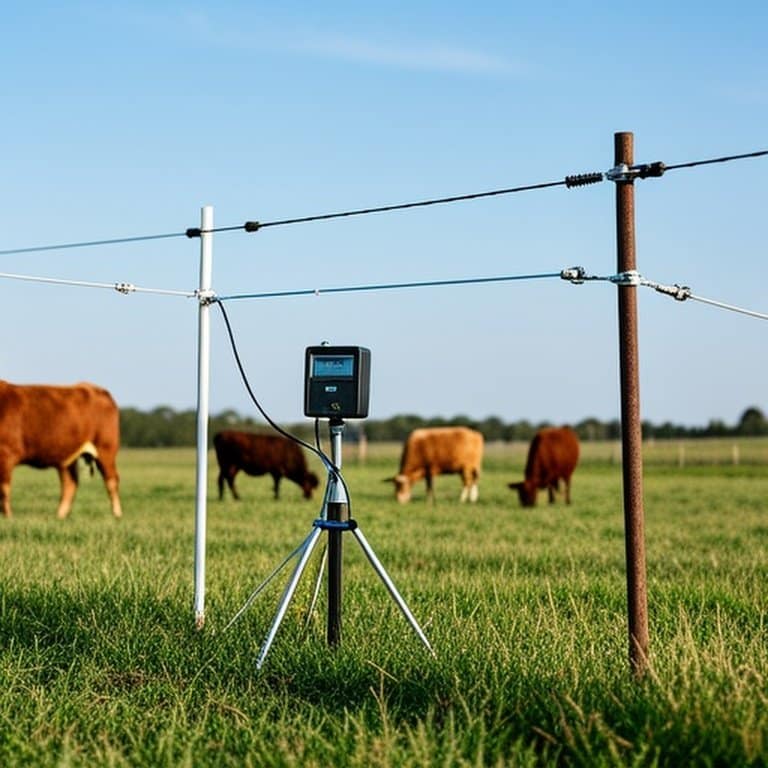
This comparison matters because many fencing failures come from choosing the wrong type, not from poor installation. Producers often use temporary fencing where permanence is required—or invest heavily in permanent fencing where flexibility would deliver better results. The two systems are designed for different management styles, timelines, and pressure levels. Understanding which is better for your situation prevents wasted money, unnecessary labor, and livestock escapes. This isn’t a quality comparison—it’s a use-case decision.
Key Factors to Consider
- How often fence layouts change
- Whether the fence is perimeter or internal
- Livestock type and pressure level
- Available labor and maintenance capacity
- Expected lifespan of the fence line
Detailed Explanation
Temporary and permanent electric fencing work on the same electrical principle but serve fundamentally different roles.
Temporary electric fencing is designed for movement. Lightweight posts, polywire or polytape, and portable energizers allow fences to be installed, removed, and repositioned quickly. Its strength lies in adaptability. When used for rotational grazing, strip grazing, or short-term containment, temporary fencing gives precise control with low material cost. However, it requires regular attention. Voltage checks, post adjustments, and vegetation management are part of daily or weekly routines.
Permanent electric fencing, on the other hand, is designed for stability. Fixed posts, tensioned wire, robust grounding, and larger energizers create a fence that stays in place for years. It performs best as a perimeter fence or long-term boundary where reliability matters more than flexibility. Once installed correctly, it requires far less frequent adjustment and is better suited for high-pressure or public-facing areas.
The mistake many operators make is treating temporary fencing like a permanent solution—or expecting permanent fencing to deliver flexibility. Temporary fencing fails when left unattended for long periods. Permanent fencing becomes inefficient when layouts need frequent changes.
By the end of this explanation, the core conclusion should be clear: the better system is the one that matches how the land and livestock are actually managed, not the one that seems stronger or cheaper on paper.
Video Demonstration
How Cattle Behavior Affects This Choice
Cattle behavior strongly favors both systems—when matched correctly. Trained cattle respect electric fences regardless of type. Temporary fencing works best with calm, managed cattle under low pressure, such as during planned grazing moves. Permanent fencing is better when cattle may test boundaries due to crowding, stress, or external pressure. As time passes, cattle become more confident, which makes permanent fencing more reliable for fixed boundaries.
Calves vs Mature Cattle Considerations
Calves adapt quickly to temporary fencing and place less physical pressure on fence lines. Mature cattle are heavier and more confident, making permanent fencing more forgiving over time. Mixed-age groups often benefit from permanent perimeter fencing combined with temporary internal divisions to balance control and flexibility.
Terrain, Visibility, and Pressure Zones
Rough terrain and high-pressure zones favor permanent fencing due to stability and consistent wire height. Flat ground and controlled access areas favor temporary fencing. Visibility matters in both systems, but especially in temporary setups where physical resistance is minimal.
When This Works Well
- Temporary fencing: rotational grazing, frequent layout changes, internal divisions
- Permanent fencing: perimeters, property boundaries, long-term paddocks
- Hybrid systems combining both
When This Is Not Recommended
- Temporary fencing for long-term perimeters
- Permanent fencing where layouts change frequently
- Either system without proper grounding or voltage
- High-pressure use with minimal maintenance
Alternatives or Better Options
For most operations, the best answer isn’t one or the other—it’s both. Permanent electric fencing works best for perimeter control and fixed boundaries, while temporary fencing excels for internal management. This hybrid approach reduces costs, improves grazing efficiency, and limits maintenance demands. Many experienced producers start with permanent perimeters and layer temporary fencing as management needs evolve.
Cost, Safety, and Practical Notes
Temporary fencing has lower upfront cost but higher labor demands. Permanent fencing costs more initially but spreads expense over many years. Both systems are safe for livestock and people when properly installed. The real trade-off is not safety—it’s time versus flexibility. Temporary fencing trades durability for adaptability. Permanent fencing trades flexibility for reliability. Choosing correctly avoids frustration and maximizes return on investment.
Quick Takeaway
Temporary fencing is better for flexibility. Permanent fencing is better for stability. The best system is the one that matches how often you move fences, how much pressure animals apply, and how much time you want to spend maintaining lines. Hybrid systems often deliver the best long-term results.