
Short Answer
Yes, temporary electric fencing is one of the most effective tools for rotational grazing. It allows precise control of livestock movement, grazing pressure, and rest periods by creating flexible paddocks that can be moved frequently. When voltage is consistent and animals are trained, temporary fencing performs exceptionally well for managed grazing systems.
Why This Question Matters
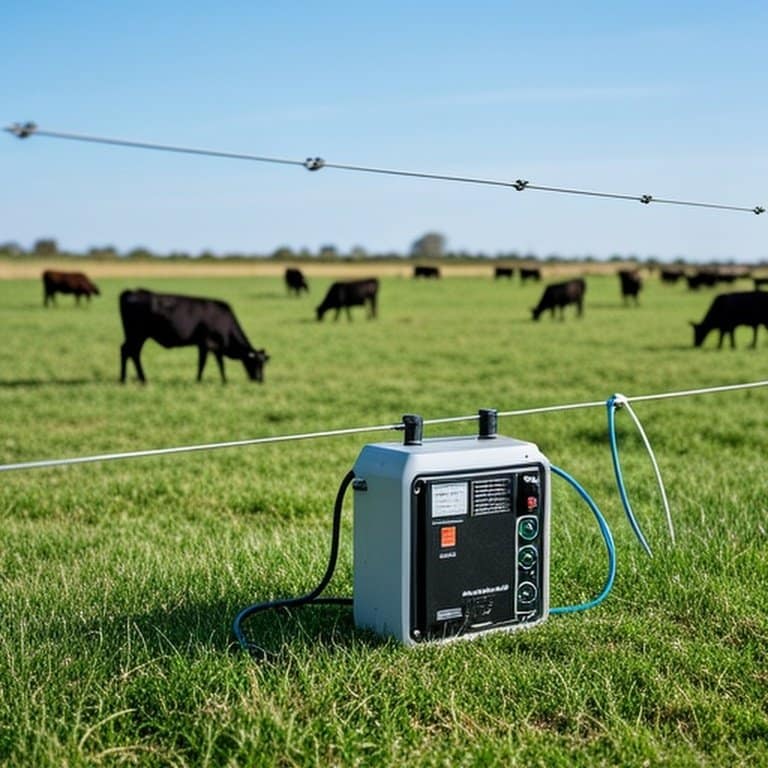
Rotational grazing succeeds or fails based on how well animals are controlled, not on pasture quality alone. Many producers want the benefits of rotational grazing—better forage utilization, healthier soil, and higher stocking efficiency—but hesitate because they assume fencing must be permanent and expensive. This question matters because temporary electric fencing removes that barrier. It enables rotational grazing without committing to fixed infrastructure, but only if it’s used correctly. Understanding whether temporary fencing truly works for grazing management helps prevent underperforming systems and frustrated operators.
Key Factors to Consider
- Frequency of livestock moves
- Animal training and prior fence exposure
- Fence visibility and strand placement
- Energizer capacity and grounding quality
- Grazing pressure and paddock size
Detailed Explanation
Temporary electric fencing is not just compatible with rotational grazing—it is specifically designed for it. Rotational grazing requires frequent changes in paddock size and location to control grazing intensity and recovery time. Permanent fencing struggles to provide that level of flexibility, while temporary fencing excels.
The effectiveness comes from how livestock respond to controlled access. By limiting animals to a small area for a short time, temporary fencing ensures uniform grazing and prevents selective overgrazing. When animals are moved regularly, pressure on fence lines remains low, which is ideal for lightweight materials like polywire or polytape.
The system works because it aligns with animal behavior. Livestock are motivated by fresh forage rather than escape. When voltage is consistent, animals learn quickly to respect the fence and focus on grazing instead of testing boundaries. This behavioral alignment is what makes temporary fencing so powerful in rotational systems.
However, success depends on management. Temporary fencing requires regular setup, removal, and monitoring. Voltage drops, poor visibility, or skipped moves reduce effectiveness quickly. Rotational grazing magnifies both good and bad management—when done well, results are immediate; when neglected, failures happen fast.
By the end of this explanation, the conclusion should be clear: temporary electric fencing is not just usable for rotational grazing—it is often the best possible fencing option for it, provided the operator is willing to manage it actively.
Video Demonstration
How Cattle Behavior Affects This Choice
Cattle behavior strongly supports the use of temporary fencing in rotational grazing. When cattle anticipate fresh pasture, they are less likely to challenge fences. Frequent moves reinforce positive behavior, as animals associate fence respect with reward rather than restriction. Calm, trained cattle perform exceptionally well with even minimal fencing. Problems arise when cattle are left too long in one paddock or forage availability drops, increasing pressure on fence lines. Rotational grazing works best when moves are proactive, keeping cattle content and predictable.
Calves vs Mature Cattle Considerations
Calves adapt quickly to rotational systems and typically apply low fence pressure. Mature cattle are heavier and more confident, but still respond well when trained and moved consistently. Mixed-age groups benefit from slightly increased visibility and careful wire placement. In rotational grazing, mature cattle often become easier to manage over time as routine reduces stress and fence testing.
Terrain, Visibility, and Pressure Zones
Flat or gently rolling terrain is ideal for temporary fencing in rotational grazing. Steep slopes or uneven ground require closer post spacing to maintain wire height. Visibility is critical—poorly visible fencing leads to accidental contact and testing. Water access points and gateways concentrate pressure and should be designed carefully to maintain fence integrity.
When This Works Well
- Daily or multi-day grazing moves
- Planned rotational or strip grazing systems
- Trained livestock familiar with electric fencing
- Low predator pressure environments
- Operators committed to active management
When This Is Not Recommended
- Long-term static paddocks
- High-stress or overcrowded conditions
- Untrained livestock with poor forage availability
- Areas requiring permanent boundaries
- Situations with inconsistent power supply
Alternatives or Better Options
Many successful grazing operations use permanent perimeter fencing combined with temporary internal fencing. This hybrid approach provides security while preserving flexibility. If paddock layouts remain stable year after year, semi-permanent fencing may reduce labor. However, for adaptive grazing plans, temporary fencing remains the most efficient and responsive option.
Cost, Safety, and Practical Notes
From a cost perspective, temporary fencing makes rotational grazing accessible without major upfront investment. Safety for livestock and people remains high due to low amperage shocks. The real trade-off is labor: rotational grazing with temporary fencing demands time and consistency. When management slips, performance drops quickly. Practically, the system rewards attentiveness with better pasture recovery, higher utilization, and improved animal behavior.
Quick Takeaway
Yes—temporary electric fencing is ideal for rotational grazing. It delivers unmatched flexibility, precise control, and low material cost, as long as it’s paired with consistent voltage and active management.