
Short Answer
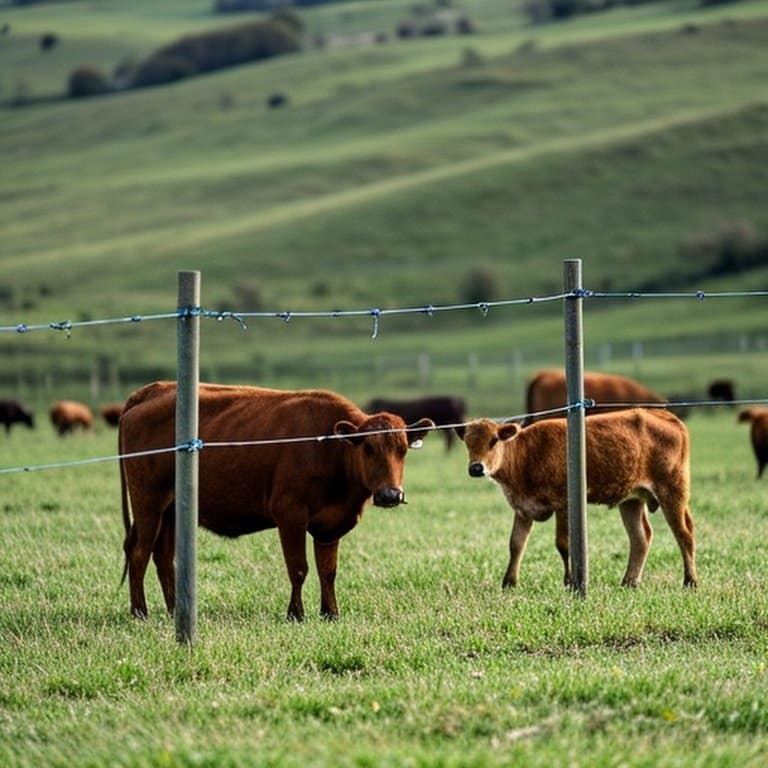
Most temporary electric fencing setups use one to three strands, depending on livestock type, training, and pressure. Well-trained cattle often require just one visible strand, while calves, sheep, or high-pressure situations typically need two or three strands. The correct number balances control, visibility, and ease of movement rather than maximizing wire count.
Why This Question Matters
Choosing the wrong number of strands is one of the fastest ways to make temporary electric fencing fail. Too few strands can lead to escapes, fence testing, and poor grazing control. Too many strands increase setup time, cost, and complexity—defeating the purpose of temporary fencing. This question matters because strand count directly affects animal behavior, labor efficiency, and grazing outcomes. For rotational grazing or short-term containment, knowing the minimum effective number of strands helps producers maintain control without overbuilding the fence.
Key Factors to Consider
- Livestock species and size
- Prior training to electric fencing
- Grazing pressure and forage availability
- Fence visibility and strand spacing
- Terrain and ground unevenness
Detailed Explanation
Temporary electric fencing relies on psychological control, not physical strength. The goal is not to block animals but to create a clear, respected boundary. The number of strands required depends on how confidently animals interact with the fence and how much pressure they apply to it.
For trained adult cattle, a single strand is often sufficient. When voltage is consistent and forage inside the paddock is attractive, cattle quickly learn to respect a single, well-placed wire. This is especially common in rotational grazing systems where animals are moved frequently and fence pressure stays low.
Two strands are commonly used when cattle are less experienced, when calves are present, or when grazing periods are longer. The second strand adds visual depth and discourages animals from attempting to step over or duck under the fence. This setup still remains quick to install while providing extra security.
Three strands are typically reserved for smaller livestock, mixed groups, or higher-pressure situations. Sheep, goats, and young animals are more likely to test fences or slip through gaps, making additional strands necessary. Uneven terrain also increases the need for extra wires to maintain consistent height and contact points.
Importantly, adding strands does not compensate for poor voltage or bad grounding. A single hot wire is more effective than multiple weak ones. Temporary fencing works best when strand count is kept as low as possible while still achieving consistent animal respect.
By the end of this explanation, the takeaway should be clear: the right number of strands is the fewest needed to maintain control, not a fixed number for every situation.
Video Demonstration
How Cattle Behavior Affects This Choice
Cattle behavior strongly favors minimal strand counts when animals are trained and grazing conditions are good. Calm, content cattle are unlikely to challenge fences, especially when they associate crossing the wire with discomfort. Frequent moves reduce boredom and pressure, making one-strand systems highly effective. Problems arise when cattle are hungry, overcrowded, or unfamiliar with electric fencing. In these cases, additional strands help reinforce boundaries visually and physically. Understanding cattle motivation is key—most escapes occur due to management issues, not insufficient strand count.
Calves vs Mature Cattle Considerations
Calves require more visual guidance than mature cattle. Their smaller size and curiosity increase the chance of accidental contact or slipping through a single wire. Two or three strands help create a clear barrier that calves can understand and respect. Mature cattle, especially those experienced with electric fencing, need far fewer strands. Mixed-age groups should always be fenced to the weakest or most curious animals to prevent training setbacks.
Terrain, Visibility, and Pressure Zones
Uneven terrain increases the need for additional strands to maintain consistent wire height. Dips, rises, and slopes create gaps that animals may exploit. Visibility also plays a major role—polytape or flagged polywire can reduce the need for extra strands. High-pressure zones such as water access points, corners, and gateways benefit from extra wires regardless of livestock type.
When This Works Well
- Rotational or strip grazing systems
- Trained livestock familiar with electric fencing
- Short grazing durations with frequent moves
- Flat or gently rolling terrain
- Adequate forage availability inside paddocks
When This Is Not Recommended
- Untrained or newly introduced livestock
- Long-term static paddocks
- High stocking density or feed shortages
- Rough or highly uneven terrain
- Situations with unreliable power supply
Alternatives or Better Options
Some producers choose semi-permanent fencing for areas that consistently require multiple strands, such as laneways or high-traffic zones. Another option is combining a single hot strand with a physical guide, like step-in posts or visual markers, to improve respect without adding wires. In high-pressure systems, permanent perimeter fencing paired with temporary internal fencing offers better long-term efficiency.
Cost, Safety, and Practical Notes
Fewer strands reduce material costs and labor but demand better management. Each additional strand increases setup time and complexity, which matters when fences are moved daily. From a safety standpoint, low-strand temporary fences remain safe for livestock and people due to low amperage shocks. Practically, producers should start with the minimum strand count, monitor animal behavior, and add strands only if needed. Overbuilding temporary fencing often signals a management or training issue rather than a fencing one.
Quick Takeaway
Most temporary electric fences need one to three strands. Start with the fewest strands that livestock respect, and increase only when animal behavior, terrain, or pressure demands it.