
Short Answer
Yes, temporary electric fencing is safe for both livestock and people when installed and used correctly. These systems deliver a short, high-voltage but low-amperage pulse designed to startle, not injure. Most safety concerns arise from improper grounding, unsuitable energizers, or misuse—not from the fencing technology itself.
Why This Question Matters
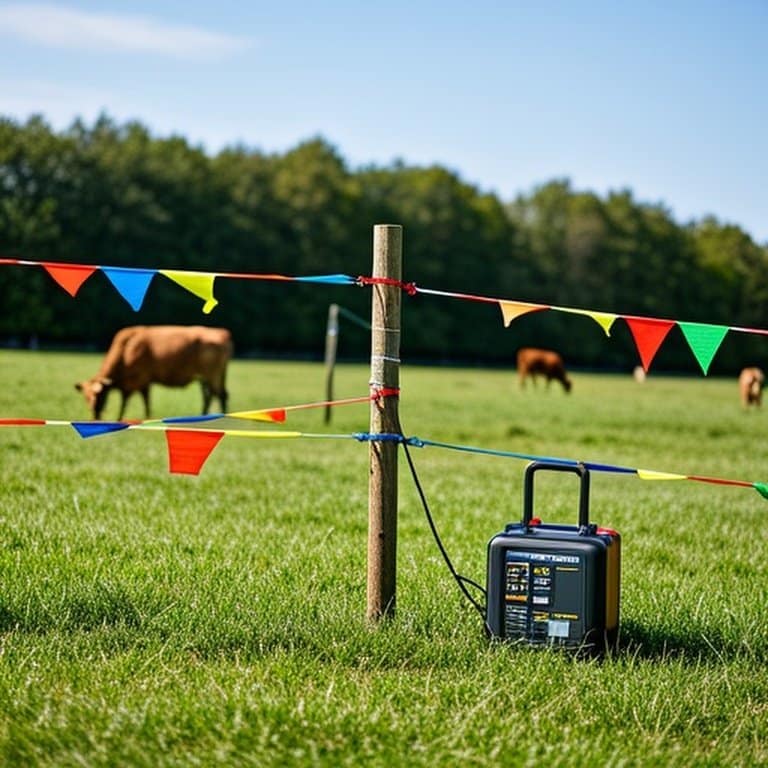
Safety is the main hesitation people have before using temporary electric fencing. Producers worry about livestock injuries, while landowners and families are concerned about accidental contact. Because portable systems are lightweight, highly visible, and often moved frequently, people naturally question whether they are more dangerous or less controlled than permanent fences. This question matters because misunderstanding electric fence safety leads to overbuilding, unnecessary costs, or complete avoidance of a tool that—when used correctly—is one of the safest livestock control systems available.
Key Factors to Consider
- Voltage strength versus amperage output
- Fence visibility and animal awareness
- Livestock size, age, and training level
- Human access points and warning signage
- Grounding quality and energizer selection
Detailed Explanation
Temporary electric fencing works on a psychological deterrent, not physical force. The energizer sends a brief electrical pulse—typically less than one second—through the fence line. While the voltage can sound alarming, the amperage is extremely low, which prevents sustained current flow through the body. This is why the shock feels sharp but does not cause burns, muscle damage, or cardiac risk in healthy animals or people.
For livestock, safety depends heavily on visibility and training. Animals that can clearly see the fence are far less likely to collide with it at speed. Most injuries attributed to electric fencing actually come from panic responses after accidental contact, not from the shock itself. Proper wire height, adequate visibility (polytape or flagged polywire), and calm stocking densities significantly reduce risk.
For people, especially adults, temporary electric fencing poses minimal danger. Accidental contact results in a startling but brief shock. Children, visitors, and workers are best protected through clear fence layout, warning signs near access points, and keeping energizers properly grounded and maintained. The real risks come from faulty energizers, improper grounding, or mixing electric fencing with non-insulated metal structures.
Importantly, portable fencing is often safer than rigid physical barriers. Animals are less likely to become entangled, trapped, or injured compared to barbed wire or woven wire systems. When safety standards are followed, temporary electric fencing is widely regarded as one of the lowest-injury livestock containment methods available.
By this point, it should be clear that safety issues stem from how the fence is used, not from the concept of temporary electric fencing itself.
Video Demonstration
How Cattle Behavior Affects This Choice
Cattle behavior plays a major role in electric fence safety. Calm, trained cattle respect the fence after one or two encounters, greatly reducing repeated contact. High-stress situations—such as overcrowding, hunger, or aggressive herd dynamics—can cause cattle to test the fence more aggressively, increasing the chance of panic reactions. Well-managed herds experience fewer safety issues than untrained or pressured animals.
Calves vs Mature Cattle Considerations
Calves require special attention. Their smaller size and curiosity increase accidental contact, but the low amperage shock remains safe. Problems arise when wire height allows calves to pass underneath or when visibility is poor. Mature cattle are generally safer with temporary fencing because they learn quickly and are less likely to bolt after contact. Mixed-age groups should always be fenced to calf safety standards.
Terrain, Visibility, and Pressure Zones
Uneven terrain creates safety challenges by introducing gaps and sudden changes in wire height. High-pressure zones—corners, water access, and gateways—are where most safety incidents occur. Improving post density and visibility in these areas significantly reduces accidental contact and panic responses for both animals and people.
When This Works Well
- Rotational grazing systems with frequent moves
- Trained livestock familiar with electric fencing
- Open, visible pasture layouts
- Low to moderate stocking pressure
- Clear human access paths
When This Is Not Recommended
- Untrained livestock under high stress
- Areas with heavy public foot traffic
- Poor visibility conditions without upgrades
- Improvised energizers or unsafe power sources
- Inadequate grounding in extreme soil conditions
Alternatives or Better Options
In high-risk environments, combining temporary electric fencing with physical perimeter fencing improves safety. For public-facing land, semi-permanent fencing with signage offers clearer boundaries. Upgrading from polywire to polytape often improves safety more than adding extra strands or power.
Cost, Safety, and Practical Notes
Temporary electric fencing balances low cost with high safety when properly managed. While energizers and grounding systems require attention, overall injury risk remains lower than many traditional fencing types. The trade-off is vigilance—regular checks and thoughtful layout are essential. From a safety standpoint, electric fencing protects animals by teaching avoidance rather than forcing confinement.
Quick Takeaway
Temporary electric fencing is safe for livestock and people when visibility, grounding, and management match the system’s design.