
Short Answer
Most farm fence projects should be budgeted at $3,000–$12,000 per acre, or $1.50–$10+ per linear foot, depending on fence type, labor, terrain, and livestock needs. Electric fencing sits at the low end, while woven wire, wood, and multi-purpose perimeter fences cost more. A realistic budget always includes materials, labor, gates, corners, and long-term maintenance.
Why This Question Matters
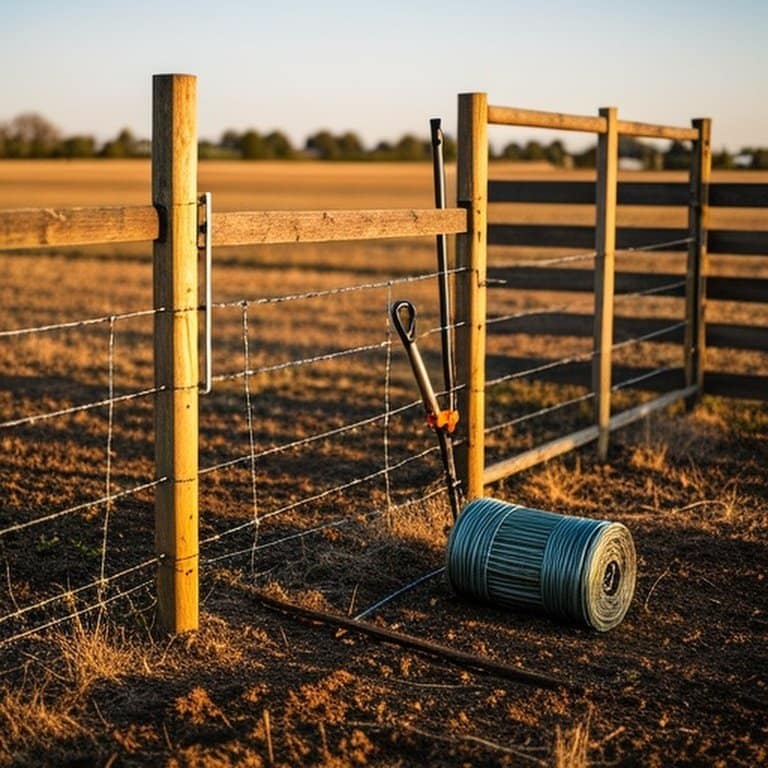
Fence projects are one of the most common sources of cost overruns on farms. Many budgets fail because they focus only on material prices and ignore labor, terrain challenges, or livestock pressure. Others underestimate gates, corners, and bracing, which can quietly consume a large share of the budget.
Getting the budget right upfront helps you choose the correct fence type, avoid shortcuts that lead to failures, and plan cash flow realistically. A well-built fence is a long-term asset; a poorly budgeted one becomes a recurring expense. This question matters because fence decisions are hard to undo once posts are in the ground.
Key Factors to Consider
- Total fence perimeter length, not acreage size
- Fence type and material durability
- DIY versus professional labor costs
- Terrain, soil conditions, and access
- Livestock behavior and containment pressure
Detailed Explanation
A proper farm fence budget starts with linear feet, not acres. Even small farms can have long perimeters if fields are irregularly shaped. Once perimeter length is known, costs are usually estimated per foot based on fence type. Electric fencing may cost $1.50–$3 per foot installed, while woven wire or wood fencing can exceed $8–$10 per foot.
Materials typically account for 50–70% of the total budget. Posts, wire, braces, energizers, insulators, and gates all add up quickly. Labor is the second major variable. DIY installation can cut costs significantly, but only if done correctly. Mistakes in post depth, spacing, or tension often lead to early failure and repair expenses.
Terrain and soil conditions often determine whether initial estimates hold. Rocky ground, slopes, wooded areas, and poor access slow installation and increase equipment needs. Corners, gates, and high-stress areas require extra materials and time, even though they represent a small portion of total footage.
Finally, budgeting must account for maintenance and lifespan. A fence that costs more upfront but lasts 20 years may be cheaper than one that needs rebuilding after five. Good budgets look beyond installation day and plan for the fence’s full working life.
Video Demonstration
How Livestock Type Affects Budget Size
Livestock type directly impacts fence cost. Cattle often allow wider spacing and fewer wires, keeping budgets moderate. Sheep, goats, and pigs require tighter spacing or woven wire, increasing both materials and labor. Horses usually require safer, more visible fencing, pushing budgets higher.
Under-budgeting for livestock pressure is one of the most expensive mistakes. Escapes, injuries, and repeated repairs quickly exceed the cost of building the right fence initially.
Calves vs Mature Livestock Considerations
Young animals test fences more aggressively than mature stock. Budgets that only account for adult livestock often fail during calving or lambing seasons. Adding strands, lowering wire height, or reinforcing problem areas early usually costs less than rebuilding after repeated failures.
For mixed-age operations, planning for the highest-risk stage prevents surprise expenses.
Terrain, Visibility, and Pressure Zones
Flat land is predictable and cheaper to fence. Hills, rocky soil, and wet ground increase post installation time and hardware requirements. Visibility matters as well—low-visibility fences may need additional strands or markers, especially around horses or wildlife corridors.
Corners, gates, and water access points concentrate stress. These areas require heavier bracing and should be explicitly included in the budget, not treated as minor add-ons.
When This Budget Range Works Well
- Square or compact field layouts
- Flat or gently rolling terrain
- Electric or high-tensile fencing systems
- Single livestock species with predictable behavior
- Partial or full DIY installation
When This Budget Is Not Recommended
- Irregularly shaped or wooded properties
- Steep, rocky, or hard-to-access land
- High-pressure livestock like goats or pigs
- Decorative or residential-grade fencing needs
- Operations requiring many gates or road crossings
Alternatives or Better Options
Phased fencing projects
Building critical perimeter fencing first and adding interior divisions later spreads costs and reduces upfront financial strain.
Hybrid fence systems
Combining a strong perimeter fence with electric interior fencing balances cost, durability, and flexibility.
Higher-quality materials upfront
Spending slightly more on posts, wire, or energizers often lowers total cost by reducing maintenance and replacement.
Cost, Safety, and Practical Notes
Fence budgets should always include a contingency buffer of 10–20% for unexpected ground conditions, material price changes, or design adjustments. Safety should never be sacrificed to save money—injuries to livestock or people are far more expensive than stronger materials.
Avoid budgeting only for “average” conditions. Design for worst-case livestock behavior and seasonal stress. The most reliable budgets are conservative, realistic, and focused on long-term performance rather than minimum upfront cost.
Quick Takeaway
A realistic farm fence budget typically falls between $3,000 and $12,000 per acre, but the true cost depends on perimeter length, livestock needs, terrain, and labor choices. The best budgets plan for durability, safety, and maintenance—because the cheapest fence on paper is often the most expensive one over time.