
Short Answer
Fence length, terrain, and post spacing are three of the biggest drivers of total fencing cost. Longer fence lines increase material and labor expenses, difficult terrain raises installation time and equipment needs, and tighter post spacing significantly increases both material and labor costs. Small changes in these factors can double—or cut in half—the final budget.
Why This Question Matters
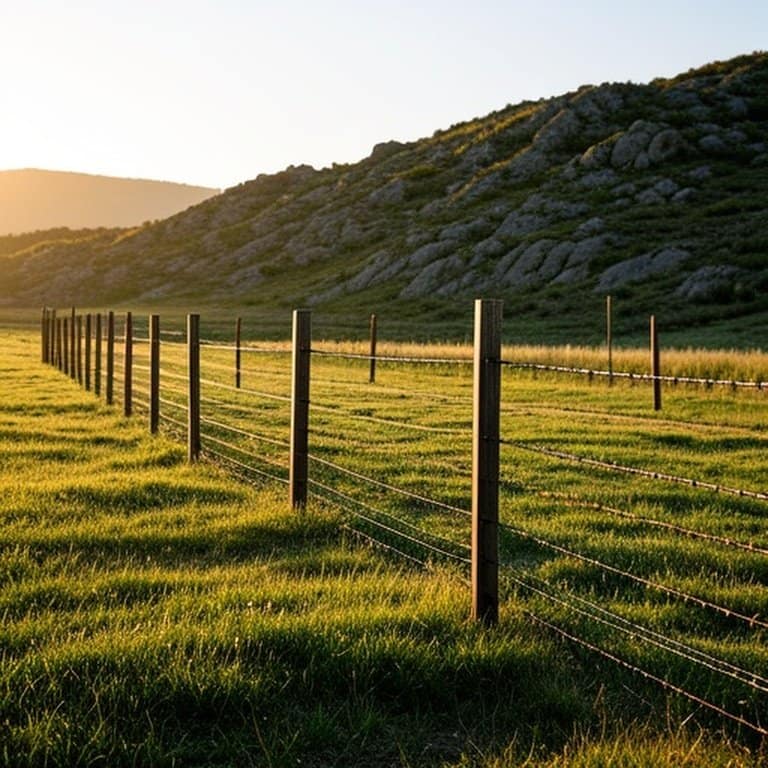
Many fence budgets fail not because materials are expensive, but because land realities were underestimated. Two farms with the same acreage can face dramatically different fencing costs simply due to shape, slope, soil, and layout. People often calculate cost “per acre” without realizing fences are priced by linear distance, not land area.
Understanding how fence length, terrain difficulty, and post requirements interact helps you predict costs accurately, avoid mid-project budget overruns, and choose fence designs that match both your land and your livestock. This knowledge prevents overbuilding in low-risk areas and underbuilding where pressure is highest.
Key Factors to Consider
- Total linear footage, not acreage size
- Field shape, corners, and irregular boundaries
- Soil type, slope, and ground hardness
- Post spacing requirements by fence type
- Bracing needs at corners, gates, and slopes
Detailed Explanation
Fence length is the most direct cost driver because nearly every component scales with distance. Wire, posts, insulators, staples, and labor all increase linearly with footage. Irregularly shaped fields often cost more to fence than square ones, even when acreage is identical, because they require longer perimeters and more corners, which add bracing and labor.
Terrain complexity amplifies costs quickly. Flat, open ground allows fast post driving and wide spacing, keeping labor low. Rocky soils, steep slopes, wetlands, or heavily wooded areas slow installation, require specialized equipment, and often demand closer post spacing for stability. Each of these factors adds labor hours, which are often the most expensive part of fencing projects.
Post spacing is the silent budget multiplier. Traditional fences require posts every 8–12 feet, while electric fencing may allow spacing of 30–60 feet. More posts mean more material, more digging or driving, and more time. Corner, end, and gate posts require heavy bracing, which adds lumber, wire, and skilled labor that is often overlooked in early estimates.
When these factors combine—long fence lines, difficult terrain, and tight post spacing—costs rise rapidly. Smart design choices, such as adjusting layouts or mixing fence types, can significantly reduce total expense without sacrificing function.
Video Demonstration
How Cattle Behavior Affects This Choice
Cattle that respect electric fencing allow wider post spacing and fewer strands, reducing material and labor costs. Calm, trained cattle make it possible to fence large areas efficiently, even on challenging terrain.
High-pressure cattle or untrained animals may require tighter spacing or physical reinforcement, increasing costs, especially on uneven ground.
Calves vs Mature Cattle Considerations
Calves often require lower wire heights and additional strands, increasing post attachments and labor. While this does not change fence length, it increases installation time and material per post.
Planning for calves from the start avoids later retrofits that significantly raise overall costs.
Terrain, Visibility, and Pressure Zones
Steep slopes, gullies, and corners act as pressure zones where posts must be closer together and braced more heavily. Visibility also matters—adding flags or tape improves fence respect but slightly increases material cost while reducing escape-related repairs.
Ignoring pressure zones leads to failures that cost far more than proper upfront construction.
When This Works Well
- Large, regularly shaped pastures
- Flat or gently rolling terrain
- Electric fencing with wide post spacing
- Well-trained livestock
- Minimal gate and corner complexity
When This Is Not Recommended
- Highly irregular property boundaries
- Rocky or mountainous terrain without planning
- High-pressure livestock with poor fence respect
- Designs that ignore corner and gate reinforcement
- Budget estimates based only on acreage
Alternatives or Better Options
Hybrid fence layouts
Using permanent fencing on perimeters and flexible fencing inside reduces total post and labor costs.
Layout optimization
Redesigning paddock shapes to reduce corners and fence length can significantly cut material and labor needs.
Targeted reinforcement
Strengthening only high-stress areas avoids unnecessary post density across the entire fence line.
Cost, Safety, and Practical Notes
Always measure fence cost by linear feet, not acres. Budget extra for corners, gates, and terrain transitions, as these areas require more labor and materials. Post spacing decisions have a larger impact on cost than most people expect, especially over long distances.
Safer, well-braced fences reduce long-term repair costs and prevent livestock escapes that quickly erase any initial savings.
Quick Takeaway
Fence length determines how much you buy, terrain determines how long it takes, and post spacing determines how fast costs grow. Accurate budgeting comes from understanding how these three factors interact—before construction begins.