
Short Answer
The fence materials with the best long-term value are those that balance lifespan, maintenance needs, and performance—not just upfront cost. High-tensile electric wire, woven wire with pressure-treated posts, and well-built permanent electric fencing typically deliver the lowest cost per year of service. Cheap materials often cost more over time due to repairs, replacements, and livestock losses.
Why This Question Matters
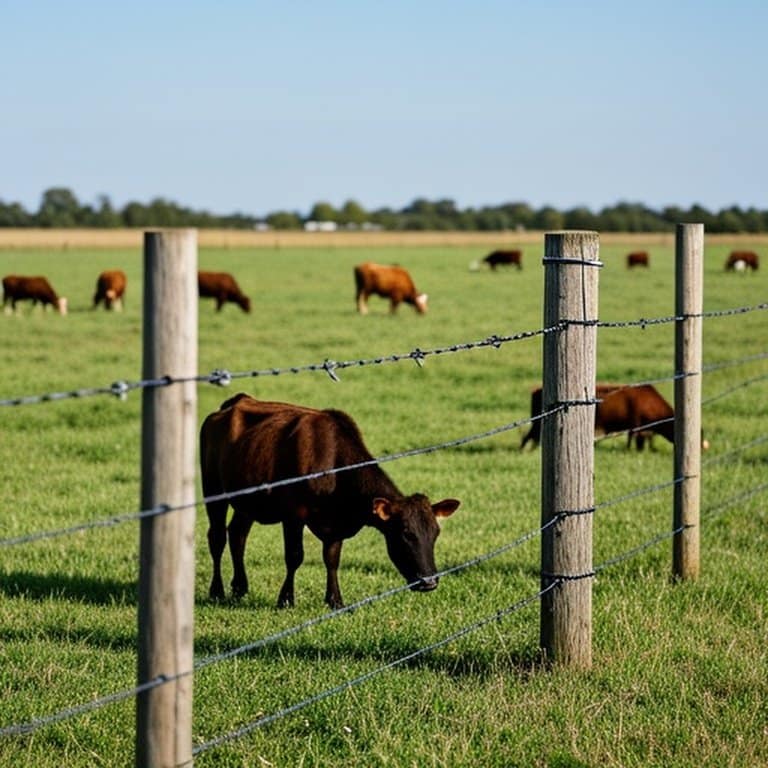
Many fence decisions are made based on initial price, but fencing is a long-term infrastructure investment. A fence that fails early, needs constant repair, or limits how you manage livestock quietly drains money year after year. What looks cheap on day one can become the most expensive option over a decade.
Understanding long-term value helps you budget realistically, choose materials that match your land and livestock, and avoid rebuilding fences sooner than expected. This question matters most for landowners planning permanent boundaries, perimeter fences, or systems meant to last 15–30 years or more.
Key Factors to Consider
- Expected lifespan versus upfront material cost
- Maintenance frequency and repair difficulty
- Compatibility with livestock pressure levels
- Resistance to rot, rust, and weather exposure
- Flexibility for future changes or expansion
Detailed Explanation
Long-term fence value comes from durability and low maintenance. High-tensile wire, especially in electric or hybrid systems, consistently ranks among the best-value materials because it lasts decades when properly installed. It resists sagging, handles tension well, and requires fewer posts, reducing both installation and repair costs over time.
Woven wire fencing paired with pressure-treated wood or steel posts offers strong long-term value where physical containment is essential. While the upfront cost is higher than electric-only systems, woven wire excels in predator control, calf containment, and high-pressure environments. Its long lifespan offsets the higher initial investment when maintenance is kept minimal.
Traditional barbed wire often appears affordable but delivers mixed long-term value. It can last many years, but frequent tightening, post replacement, and animal injuries increase hidden costs. In contrast, modern electric fencing systems reduce livestock pressure on materials, dramatically extending fence life and lowering annual expenses.
The worst long-term value usually comes from light-duty materials used beyond their design limits—thin wire, untreated posts, or temporary fencing repurposed as permanent. These systems fail early, demand constant attention, and often require full replacement instead of repair.
Video Demonstration
How Cattle Behavior Affects This Choice
Calm, trained cattle allow lighter materials and electric fencing to perform exceptionally well long term. Animals that respect fences reduce physical stress on wires and posts, extending material life.
Aggressive or untrained cattle increase wear, making heavier materials like woven wire or reinforced electric systems a better long-term investment.
Calves vs Mature Cattle Considerations
Calves require tighter spacing and smaller openings, which favors woven wire or multi-strand electric systems. Investing upfront prevents later upgrades that significantly increase total cost.
Designing for calves from the start improves long-term value by avoiding retrofit expenses.
Terrain, Visibility, and Pressure Zones
Rocky soils, steep slopes, and high-pressure corners increase material stress. Flexible materials like high-tensile wire perform better long term in challenging terrain.
Adding visibility enhancements reduces fence hits, extending material life at minimal extra cost.
When This Works Well
- Long-term land ownership or multi-decade planning
- Permanent perimeter or boundary fencing
- Rotational grazing systems with trained livestock
- Areas where maintenance access is limited
- Properties exposed to harsh weather conditions
When This Is Not Recommended
- Short-term land leases or temporary operations
- Constantly changing fence layouts
- Untrained livestock without proper energizers
- Poor installation that undermines material lifespan
- Using light-duty materials in high-pressure zones
Alternatives or Better Options
Hybrid fencing systems
Combining physical fencing with electric offsets cost while extending lifespan and reducing animal pressure.
Upgraded posts only where needed
Using heavy posts at corners and lighter posts elsewhere improves long-term value without full material upgrades.
Electric-first designs
Well-powered electric fencing often delivers the lowest cost per year when livestock training is consistent.
Cost, Safety, and Practical Notes
Long-term value is best measured as cost per year of service, not cost per foot. Spending more upfront on quality materials often cuts maintenance, repair labor, and livestock losses dramatically. Safety also improves with stronger, more predictable fencing systems.
Avoid mixing incompatible materials or skipping proper installation—both reduce lifespan regardless of material quality.
Quick Takeaway
The best fence materials aren’t the cheapest—they’re the ones that last longest with the least maintenance. High-tensile electric systems and well-built woven wire fences usually deliver the strongest long-term value.