
Short Answer
Fence maintenance costs typically range from 5% to 15% of the original installation cost per year, depending on fence type, terrain, livestock pressure, and climate. Over a 10–20 year lifespan, maintenance can equal or even exceed the initial build cost for poorly planned fences, while well-designed systems keep long-term expenses predictable and manageable.
Why This Question Matters
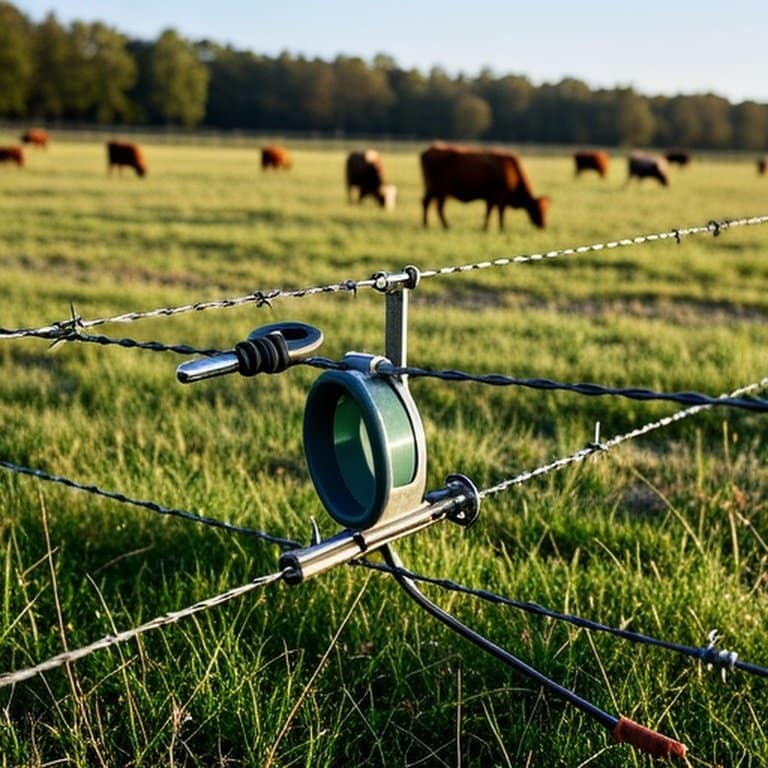
Many fence owners budget carefully for installation but dramatically underestimate long-term maintenance. The result is surprise expenses: broken posts, sagging wire, vegetation shorts, livestock escapes, and emergency repairs that cost more than routine upkeep. Over time, these small issues compound.
Understanding fence maintenance cost over time helps you compare fencing options realistically, not just by upfront price. It also informs smarter design decisions—such as post spacing, materials, and layout—that reduce labor and repair frequency. For farms and ranches operating on tight margins, predictable maintenance costs are just as important as initial affordability.
Key Factors to Consider
- Fence material durability and corrosion resistance
- Livestock pressure and behavior patterns
- Terrain difficulty and soil movement
- Climate exposure and seasonal weather extremes
- Vegetation growth and ongoing control needs
Detailed Explanation
Fence maintenance costs accumulate slowly but relentlessly. Unlike installation, which is a one-time expense, maintenance is recurring and influenced by daily wear, environmental stress, and livestock interaction. Even low-cost fences can become expensive over time if they require frequent repairs or constant attention.
Material choice plays the largest role in long-term cost. High-tensile wire and electric fencing typically require less structural repair but demand regular inspection, vegetation control, and occasional energizer or grounding maintenance. Traditional woven wire or wood fences often need fewer inspections but incur higher repair costs when posts rot, boards crack, or wire stretches.
Labor is the hidden multiplier. Small fixes—tightening wire, replacing insulators, resetting posts—seem inexpensive until they occur repeatedly. On large properties, travel time alone can make minor repairs costly. Fences installed in rocky soil, flood-prone areas, or steep terrain experience higher stress and more frequent failures, increasing annual labor hours.
Livestock behavior also affects cost over time. Calm, well-trained animals reduce fence pressure and damage. High-pressure livestock, wildlife intrusion, or predator activity increases breakage and repair frequency. Similarly, poor visibility fences often fail more due to accidental contact, not material weakness.
Over a 10–20 year period, well-planned fences average modest, predictable maintenance costs. Poorly designed systems, however, experience compounding failures that can double lifetime ownership cost. This is why evaluating maintenance over time—not just installation—is critical to true fence budgeting.
Video Demonstration
How Cattle Behavior Affects This Choice
Cattle behavior directly influences fence maintenance costs over time. Animals that respect fences apply less physical pressure, reducing wire stretch, post movement, and breakage. Electric fencing, in particular, benefits from trained cattle, as fewer physical contacts mean fewer repairs and longer component life.
Untrained or high-stress cattle often test boundaries, leaning, pushing, or running through weak points. These behaviors increase repair frequency, especially at corners, gates, and water access points. Over time, even strong fences degrade faster under constant pressure.
Designing fences around livestock behavior—rather than forcing animals to adapt—lowers maintenance costs and improves longevity. Visibility, adequate spacing, and consistent voltage all contribute to better fence respect and reduced long-term expense.
Calves vs Mature Cattle Considerations
Calves introduce unique maintenance challenges. Lower wire heights, additional strands, and closer post spacing increase initial complexity and ongoing upkeep. Calves are more likely to slip under, test flexibility, or tangle with poorly adjusted wires, leading to repeated minor repairs.
Mature cattle generally apply more force but behave more predictably. Once trained, they cause fewer accidental failures. Designing fences that accommodate calves from the start reduces retrofitting costs later, which are often more expensive than proactive construction.
Ignoring age-related behavior leads to higher maintenance over time, especially during calving seasons when fence pressure and inspection needs increase.
Terrain, Visibility, and Pressure Zones
Certain fence sections fail more often than others. Slopes, corners, wet areas, and transitions between soil types act as pressure zones where movement, erosion, and livestock traffic concentrate stress. These areas account for a disproportionate share of long-term maintenance costs.
Visibility also matters. Poorly visible fences experience more accidental contact, resulting in broken insulators, sagging wire, and emergency fixes. Adding visibility features slightly increases upfront cost but significantly reduces long-term repairs.
Identifying and reinforcing pressure zones early prevents recurring failures that inflate lifetime maintenance expense.
When This Works Well
- Well-designed fences matched to livestock behavior and terrain
- Electric or high-tensile systems with routine inspections
- Properties with manageable vegetation growth
- Predictable climate conditions without extreme weather
- Owners committed to preventative maintenance
When This Is Not Recommended
- Minimal upfront builds with no maintenance plan
- High-pressure livestock on underbuilt fences
- Neglected vegetation control near electric lines
- Flood-prone or rocky terrain without reinforcement
- Budgeting based only on installation cost
Alternatives or Better Options
Higher-quality materials upfront
Spending more on durable wire, treated posts, and proper bracing often reduces lifetime maintenance costs significantly.
Hybrid fence systems
Combining permanent perimeter fences with flexible interior fencing lowers repair demands where pressure is highest.
Preventative maintenance schedules
Routine inspections and minor fixes prevent expensive emergency repairs and extend overall fence lifespan.
Cost, Safety, and Practical Notes
Fence maintenance should be treated as an annual operating cost, not an occasional inconvenience. Budgeting 5–15% of installation cost per year provides a realistic planning baseline. Skipping maintenance saves money short-term but increases long-term risk, safety issues, and livestock losses.
Well-maintained fences are safer for animals and people. Loose wires, broken posts, and unstable structures increase injury risk and liability. Preventative maintenance reduces emergency labor, improves reliability, and keeps total ownership cost predictable.
Design decisions made during installation—post spacing, bracing, layout, and material quality—have a larger impact on long-term cost than most owners expect.
Quick Takeaway
Fence maintenance is not optional—it is a predictable, manageable cost when planned correctly. Over time, smart design and routine care cost far less than constant repairs. The cheapest fence to build is rarely the cheapest fence to own.