
Short Answer
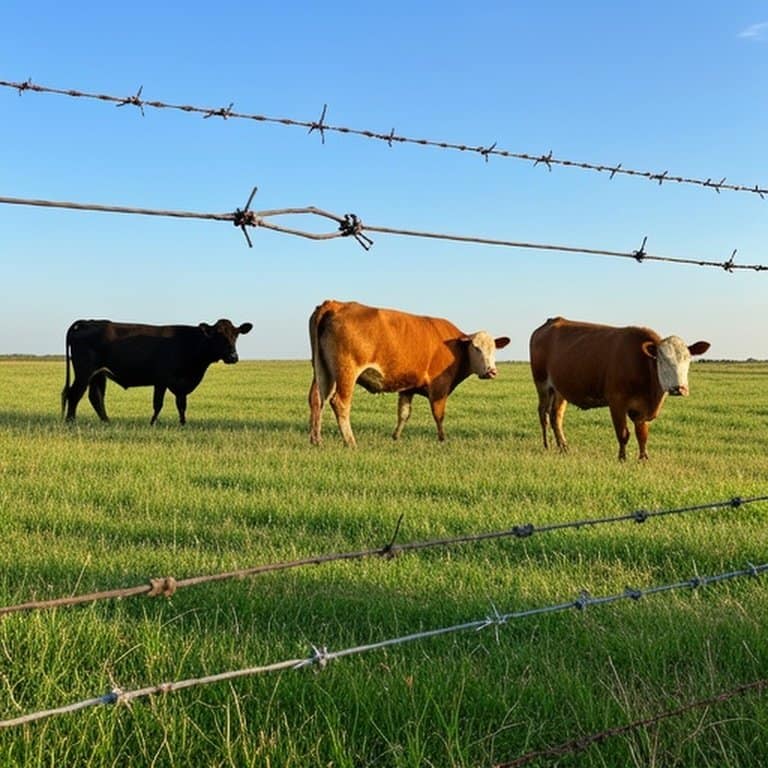
Barbed wire fencing can be safe for certain livestock when used correctly, but it is not universally safe for all animals or situations. It works best for mature cattle on large, low-pressure pastures. Barbed wire becomes unsafe when used with young animals, horses, high-stress herds, or in confined areas where animals may panic or crowd the fence.
Why This Question Matters
Barbed wire fencing is still widely used because it is inexpensive, durable, and effective—but safety concerns are real and often misunderstood. Some producers assume barbed wire is inherently dangerous, while others underestimate the injury risks by focusing only on cost and tradition. Both assumptions can lead to poor decisions.
Livestock injuries from fencing don’t just affect animal welfare; they directly impact veterinary costs, productivity, and long-term profitability. Understanding when barbed wire is reasonably safe—and when it is not—helps you balance cost savings with animal health, legal liability, and operational efficiency. Fence safety is not about eliminating risk entirely, but about managing it intelligently.
Key Factors to Consider
- Livestock species, age, and temperament
- Stocking density and pressure on fence lines
- Fence location: perimeter versus interior use
- Terrain features that increase collision risk
- Visibility and animal familiarity with fencing
Detailed Explanation
Barbed wire fencing relies on deterrence rather than physical containment. The barbs create discomfort that teaches animals to avoid contact, which is why mature cattle often respect it after minimal exposure. When animals calmly interact with the fence, injury risk remains relatively low, especially in open pasture settings where animals have space to move away.
Problems arise when animals collide with barbed wire instead of avoiding it. Panic, overcrowding, poor visibility, or unfamiliar environments can cause livestock to push into the fence, leading to cuts, infections, or more serious injuries. Unlike smooth wire or electric fencing, barbed wire does not “forgive” mistakes—once contact occurs, damage can escalate quickly.
Animal type plays a major role. Cattle generally tolerate barbed wire better than other livestock because they are larger, less agile, and less likely to become entangled. Horses, sheep, goats, and pigs face much higher injury risks due to their movement patterns, skin sensitivity, or tendency to challenge fences. For these animals, barbed wire is often considered unsafe regardless of cost savings.
Fence placement also matters. Perimeter fences experience lower daily pressure than interior fences near water, feed, or handling areas. Using barbed wire inside high-traffic zones dramatically increases injury likelihood. Visibility is another factor—barbed wire that animals cannot easily see is far more dangerous than well-marked fencing.
Ultimately, barbed wire safety is conditional. It works when animal behavior, environment, and management practices align—and fails when they don’t.
Video Demonstration
How Cattle Behavior Affects This Choice
Cattle behavior is one of the strongest predictors of barbed wire safety. Calm, well-managed cattle that are accustomed to fencing tend to respect boundaries and avoid direct contact. These animals learn quickly and rarely test fences once initial exposure occurs.
However, stressed cattle behave differently. Overcrowding, hunger, heat stress, or unfamiliar environments increase pushing, running, and fence pressure. In these situations, barbed wire becomes significantly more dangerous. Aggressive herd dynamics or mixing unfamiliar cattle can also trigger fence challenges.
Good stockmanship reduces risk. Proper stocking rates, adequate feed and water access, and thoughtful pasture design all help ensure cattle interact with fences calmly rather than forcefully.
Calves vs Mature Cattle Considerations
Barbed wire fencing is generally unsafe for calves. Young animals lack size, experience, and spatial awareness, making them more likely to slip between strands or collide with the fence. Cuts to legs, necks, or flanks are common in poorly designed calf environments.
Calves also play, run, and explore fence lines, especially during early development. These behaviors dramatically increase injury risk. Even when barbed wire is acceptable for mature cattle, calving pastures often require alternative fencing or additional safety measures.
Many operations successfully use barbed wire only after cattle reach maturity, transitioning animals into safer fencing systems during early growth stages.
Terrain, Visibility, and Pressure Zones
Terrain directly affects barbed wire safety. Slopes, gullies, tight corners, and uneven ground create pressure points where animals may lose footing or collide with fences. These areas require closer post spacing and stronger bracing—or a different fence type altogether.
Visibility also matters. Barbed wire that blends into the landscape increases collision risk, especially in low light or unfamiliar paddocks. Markers, flags, or top wires improve visibility and reduce injuries.
High-pressure zones such as gates, water points, and feeding areas should never rely solely on barbed wire due to constant animal traffic.
When This Works Well
- Mature cattle on large, open pastures
- Low-stress grazing systems with adequate space
- Perimeter fencing with minimal daily contact
- Calm herds with established fence respect
- Areas where fence lines remain fixed long-term
When This Is Not Recommended
- Calving areas or young livestock environments
- Horses, goats, sheep, pigs, or mixed-species farms
- Interior fences near water, feed, or handling zones
- Crowded or high-pressure livestock systems
- Locations with frequent human or vehicle access
Alternatives or Better Options
Smooth wire fencing
Reduces cut injuries while maintaining physical containment, especially when paired with electric offset wires.
High-tensile electric fencing
Offers strong psychological control with significantly lower injury risk, ideal for both perimeter and interior use.
Woven wire fencing
Provides superior safety for young animals and mixed livestock, though at higher upfront cost.
Cost, Safety, and Practical Notes
Barbed wire fencing is often chosen for its low upfront cost, but safety-related expenses can offset those savings quickly. Veterinary bills, lost productivity, and fence repairs following livestock injuries are real financial risks.
From a liability perspective, barbed wire also poses risks to people. Installation, maintenance, and accidental contact increase injury potential, particularly near public boundaries or shared access areas.
Practically speaking, barbed wire should be treated as a specialized tool—not a default solution. When used intentionally, with the right livestock and layout, it remains effective. When used indiscriminately, it becomes one of the most expensive “cheap” fencing choices available.
Quick Takeaway
Barbed wire fencing is conditionally safe—not inherently safe or unsafe. It works best for mature cattle on large, low-pressure pastures and becomes risky when used with young animals, high-stress herds, or inappropriate terrain. Safety depends less on the wire itself and more on how, where, and with which animals it is used.