
Short Answer
The most common problems with barbed wire fences include sagging wires, broken or loose posts, weak corner bracing, livestock injuries, and frequent maintenance needs. These issues usually stem from poor installation, insufficient tension, inadequate bracing, or using barbed wire in situations where livestock pressure or terrain exceeds what the fence was designed to handle.
Why This Question Matters
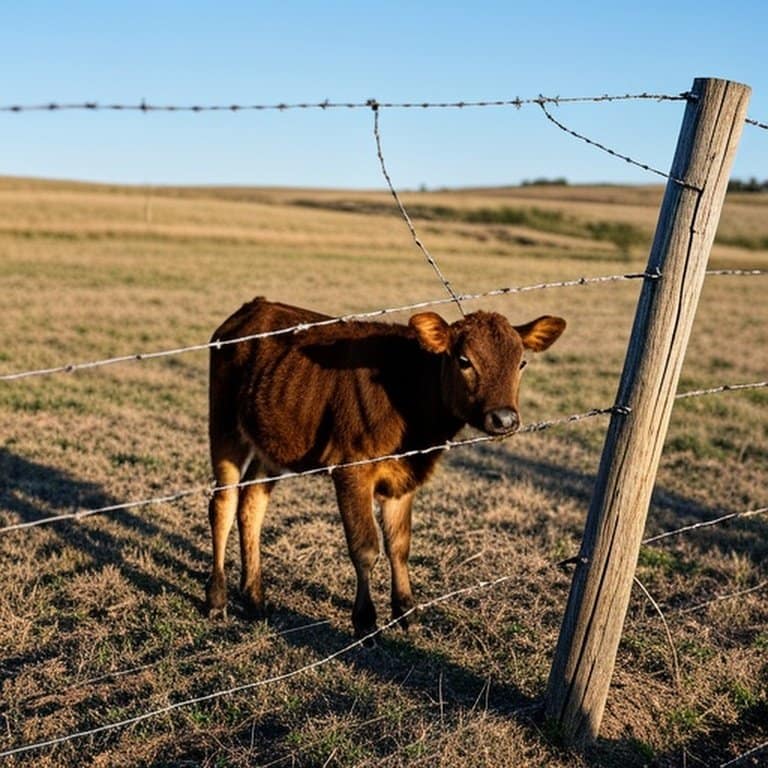
Barbed wire fencing is popular because it’s affordable and widely used—but it also generates more complaints and repairs than almost any other fence type. Many fence failures blamed on “cheap wire” are actually design or installation problems that compound over time.
Understanding the most common problems helps you decide whether barbed wire is appropriate for your operation, where it performs best, and where it becomes a liability. Catching these issues early can prevent livestock escapes, injuries, neighbor disputes, and long-term maintenance costs that quietly exceed the original savings.
Key Factors to Consider
- Wire tension and long-term sagging risk
- Corner, end, and gate bracing quality
- Livestock pressure and behavior patterns
- Terrain changes creating weak points
- Safety risks for animals and people
Detailed Explanation
The most frequent problem with barbed wire fences is loss of tension. Over time, temperature changes, livestock pressure, and inadequate bracing cause wires to sag. Once tension is lost, cattle learn they can push or step through the fence, leading to repeated failures.
Closely related is poor corner and end bracing. Barbed wire relies on tension across long distances, and without strong H-braces or properly anchored posts, the entire fence line gradually collapses inward. This is one of the most common and costly mistakes in barbed wire construction.
Another issue is post failure. Shallow-set posts, untreated wood, or lightweight steel posts bend or rot, especially in wet or rocky soil. When posts shift, wire spacing becomes inconsistent, creating gaps animals exploit.
Livestock injuries are also a concern. Barbed wire can cut hides, tear udders, and cause leg injuries, especially when animals panic or crowd fence lines. While mature cattle often avoid direct contact, calves and stressed animals are far more vulnerable.
Terrain-related problems are common as well. Dips, slopes, and uneven ground create gaps under the fence or excessive height differences between strands. Without adjustments, these areas become escape points.
Finally, barbed wire fences require ongoing maintenance. Broken barbs, snapped wires, and leaning posts are routine issues. While each repair may seem minor, frequent fixes add up over years, especially on long perimeter fences.
By this point, it should be clear that most barbed wire problems are predictable—and often preventable—with proper design and realistic expectations.
Video Demonstration
How Cattle Behavior Affects This Choice
Cattle behavior directly influences how often barbed wire fences fail. Calm, well-fed cattle with adequate space apply minimal pressure, allowing barbed wire to perform adequately. Problems arise when cattle crowd fences due to limited forage, water placement, or social stress.
Rubbing behavior is especially damaging. Once cattle use a fence as a scratching post, wire stretches, posts loosen, and sagging accelerates. Curious or aggressive animals may also test boundaries repeatedly, quickly exposing weak spots.
Barbed wire works best with livestock that respect fences. When animals do not, the fence becomes a maintenance burden rather than a solution.
Calves vs Mature Cattle Considerations
Calves are one of the biggest sources of barbed wire fence problems. Their smaller size allows them to slip between strands, and their lack of experience makes them more likely to panic when caught.
Barbs that deter mature cattle can seriously injure calves. Even well-built fences often require additional strands or alternative materials when young animals are present.
If calves are part of the operation, barbed wire should be carefully evaluated or combined with safer containment options.
Terrain, Visibility, and Pressure Zones
Uneven terrain amplifies common barbed wire issues. Gullies, slopes, and corners concentrate pressure and make consistent wire height difficult. These areas often fail first if not reinforced.
Visibility is another hidden problem. Barbed wire is hard for livestock to see, increasing accidental contact. Poor visibility leads to panic-driven damage, broken wires, and injuries—especially near roads or property lines.
When This Works Well
- Adult cattle with low fence pressure
- Flat or gently rolling terrain
- Large pastures with minimal crowding
- Properly braced corners and ends
- Regular inspection and maintenance routines
When This Is Not Recommended
- Calves or mixed-age livestock
- High-pressure or confined areas
- Steep, rocky, or uneven terrain
- Properties near roads or neighbors
- Operations seeking low-maintenance fencing
Alternatives or Better Options
Barbed wire with electric offset
Adding an electric wire reduces physical pressure and limits sagging and rubbing.
Woven wire fencing
Provides physical containment and reduces injury risk, especially for calves.
High-tensile electric fencing
Offers better long-term tension control and lower maintenance when properly installed.
Cost, Safety, and Practical Notes
Barbed wire appears inexpensive upfront, but common problems increase long-term costs through repairs, injuries, and escapes. Many operations underestimate maintenance labor and replacement materials.
From a safety standpoint, barbed wire carries higher injury risk than smoother alternatives. This risk increases near high-traffic areas, water sources, and boundaries.
Designing fences to handle worst-case pressure—rather than average conditions—reduces failures. Spending slightly more on bracing, post quality, or hybrid designs often costs less over time than repeated repairs.
Quick Takeaway
Most barbed wire fence problems come from sagging wires, weak bracing, livestock pressure, and poor terrain adaptation. These issues are common, predictable, and manageable—but only when the fence is designed for the conditions it actually faces.