
Short Answer
Barbed wire fencing typically lasts 20–40 years, depending on wire quality, climate, installation quality, and maintenance. High-quality galvanized wire installed with proper tension and solid posts can exceed 40 years, while poorly installed or low-grade wire in harsh environments may need replacement in 10–15 years.
Why This Question Matters
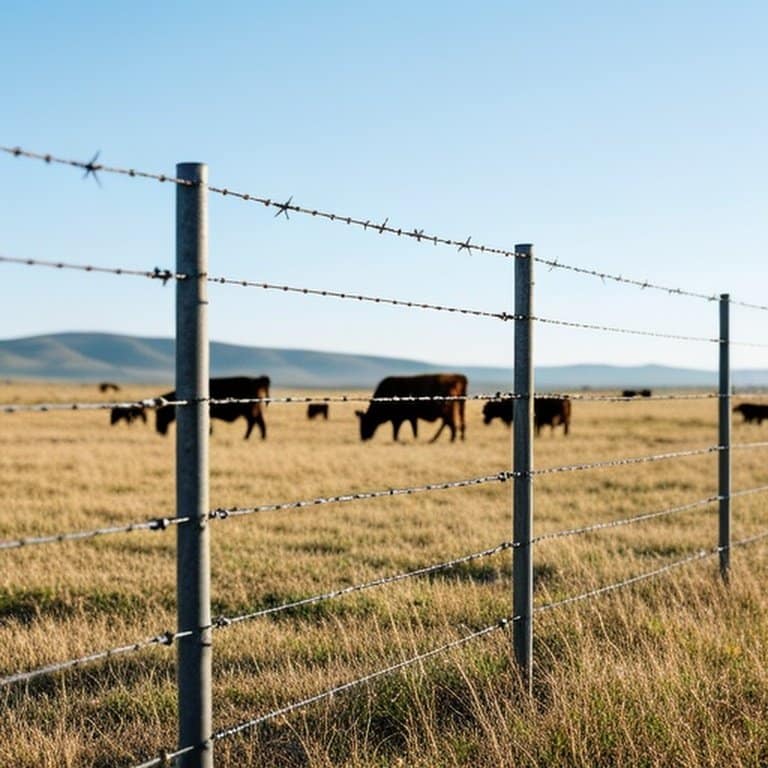
Fence lifespan directly affects total ownership cost. Barbed wire is often chosen because it’s affordable upfront, but its real value depends on how long it performs without frequent repairs. Many landowners underestimate how installation shortcuts, climate exposure, or livestock pressure shorten fence life.
Understanding realistic lifespan expectations helps you decide whether barbed wire is a long-term investment or a short-term solution. It also informs decisions about wire grade, post spacing, and whether combining barbed wire with electric or other systems makes sense over decades, not just the first few seasons.
Key Factors to Consider
- Galvanization level and wire quality
- Climate exposure: moisture, salt, heat, and freeze cycles
- Post material and spacing
- Installation tension and bracing quality
- Livestock pressure and fence respect
Detailed Explanation
The lifespan of barbed wire fencing is primarily determined by wire quality. Class 3 galvanized barbed wire resists corrosion far better than lightly coated or low-grade wire. In dry inland climates, high-quality wire may remain functional for 40 years or more. In humid, coastal, or acidic soil environments, corrosion can significantly reduce lifespan.
Installation quality matters as much as materials. Proper tensioning prevents sagging that causes wire fatigue and breakage. Well-braced corners and end posts reduce stress on the wire, slowing wear over time. Fences that are over-tightened or poorly braced often fail early due to snapped strands or pulled posts.
Post durability also influences wire longevity. Steel T-posts can last decades but may loosen over time if soil shifts. Wooden posts, especially untreated or poorly treated ones, often fail before the wire does, forcing partial rebuilds even when wire remains intact.
Livestock behavior accelerates or preserves fence life. Calm, trained cattle that respect fences place minimal stress on wire. High-pressure animals that rub, lean, or push shorten lifespan dramatically, regardless of wire quality.
Finally, maintenance frequency defines whether a fence reaches its full lifespan. Occasional tightening, replacing broken clips, and clearing vegetation can extend service life by many years. Neglected fences deteriorate exponentially once small failures begin.
By this point, it should be clear that barbed wire doesn’t have a fixed lifespan—it performs exactly as long as its weakest design or maintenance decision allows.
Video Demonstration
How Cattle Behavior Affects This Choice
Barbed wire lasts longest when livestock treat it as a psychological barrier rather than a physical one. Well-trained cattle that respect fences rarely test wire tension, allowing strands to remain stable for decades.
In contrast, aggressive or crowded cattle frequently lean on fences, causing gradual wire stretching. This leads to sagging, which increases vibration, metal fatigue, and eventual breakage. Once one strand fails, pressure redistributes to others, accelerating collapse.
Fence longevity improves significantly when cattle are trained early or when barbed wire is reinforced with a single hot wire to reduce physical contact.
Calves vs Mature Cattle Considerations
Calves create different wear patterns. They are less likely to break wire outright but more likely to slip under low strands, pulling staples or clips loose. Over time, this weakens tension and shortens fence life.
Mature cattle exert more force but are generally more predictable. Designing fences for mature cattle strength—while adjusting wire height for calves—reduces repeated repairs that shorten overall lifespan.
Fences that ignore calf behavior often require early rebuilds despite using quality wire.
Terrain, Visibility, and Pressure Zones
Terrain strongly affects longevity. Slopes, gullies, and uneven ground concentrate stress at specific posts and strands. These pressure zones experience faster wear unless posts are closer together and properly braced.
Visibility also plays a role. Poorly visible fences are tested more often by livestock, increasing physical contact. Adding markers or combining barbed wire with electric deterrents reduces contact, extending wire life.
When This Works Well
- Dry or moderate climates
- Properly braced corners and ends
- Low-pressure, trained cattle
- Regular inspection and minor maintenance
- Interior pasture or low-traffic fencing
When This Is Not Recommended
- Coastal or highly corrosive environments
- High-pressure or overcrowded livestock
- Poor soil that loosens posts
- Minimal maintenance expectations
- Areas with frequent physical contact
Alternatives or Better Options
High-tensile smooth wire
Lasts longer than traditional barbed wire when properly installed and maintained.
Electric fencing systems
Lower physical wear on materials, often exceeding barbed wire lifespan with proper energizers.
Hybrid systems
Barbed wire combined with electric strands reduces contact and extends overall fence life.
Cost, Safety, and Practical Notes
Barbed wire’s long lifespan makes it cost-effective, but only when installed correctly. Cutting corners on wire grade or bracing often reduces service life by half. Replacement costs—including labor—quickly outweigh initial savings.
Safety also affects longevity. Broken strands caused by livestock injury or human interference create weak points that spread failure. Investing slightly more upfront in quality wire and thoughtful layout typically yields decades of reliable service.
Quick Takeaway
Barbed wire fencing can last 20–40+ years, but only when wire quality, installation, livestock behavior, and maintenance are aligned. Longevity isn’t accidental—it’s designed.