
No, high-tensile wire fencing does not require electricity to work. It can function as a non-electric physical barrier when properly tensioned and installed. However, electricity is commonly added to improve reliability by changing livestock behavior, allowing fewer strands and reducing pressure on the fence system.
Why This Question Matters
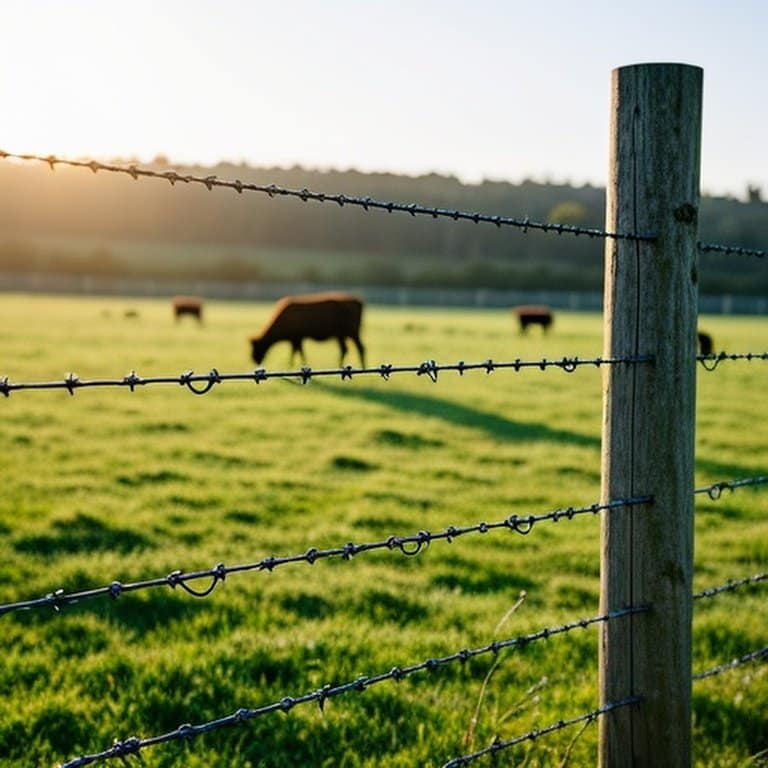
Electricity is one of the most misunderstood aspects of high-tensile wire fencing. Many people assume the fence only works if it is electrified, while others underestimate how much electricity affects performance. This question matters because the choice to electrify impacts strand count, installation cost, livestock training, maintenance, and long-term success.
In many real-world failures, the wire itself was strong enough—but animal behavior was never controlled. Understanding whether electricity is optional or essential helps producers choose the right system for their livestock, management style, and risk tolerance.
Key Factors to Consider
- Livestock behavior: calm, trained animals versus aggressive fence testers
- Fence purpose: perimeter containment versus interior or rotational fencing
- Strand count and spacing: fewer strands require stronger behavior control
- Pressure zones: gates, corners, feeding and watering areas
- Management tolerance: willingness to train livestock and monitor voltage
Detailed Explanation
High-tensile wire fencing is defined by tension, not electricity. The wire’s high-carbon steel composition allows it to remain tight under constant load, creating an effective physical barrier even without electrical current. In non-electric systems, containment relies on wire strength, correct spacing, and livestock respecting the boundary.
However, electricity dramatically changes how the fence works in practice. An electrified high-tensile fence shifts containment from physical resistance to behavioral control. Livestock quickly learn to avoid contact, which reduces leaning, rubbing, and group pressure. This allows the fence to function effectively with fewer strands and less structural stress.
Without electricity, high-tensile fencing can still work, but only under the right conditions. Livestock must be well-trained, pressure must be moderate, and strand spacing must prevent step-through or push-through behavior. Non-electric systems often require additional strands to compensate for the lack of behavioral deterrence.
The most important distinction is risk. A non-electric high-tensile fence depends entirely on physical design and animal compliance. An electrified system adds a margin of safety by discouraging testing before force is applied. This is why electricity is optional in theory but often essential in practice, especially for perimeter fencing and mixed or high-pressure livestock environments.
How Cattle Behavior Affects This Choice
Cattle behavior is the primary factor determining whether electricity is needed. Calm, pasture-trained cattle that understand fence boundaries may respect a non-electric high-tensile fence, especially in low-pressure environments. In these cases, physical strength and spacing can be sufficient.
Problems arise with newly introduced cattle, crowded herds, or animals under stress. Group pressure at feeding or watering points often leads to leaning and pushing. Electricity interrupts this behavior early, preventing cattle from learning that the fence can be challenged. In most operations, electrification reduces long-term wear and improves reliability by shaping behavior rather than absorbing force.
Calves vs Mature Cattle Considerations
Calves are lighter but more curious. They are more likely to test fences visually or attempt to pass through gaps. Electricity helps train calves quickly, reducing repeated contact and long-term fence stress. Non-electric systems often require additional strands to control calves effectively.
Mature cattle apply greater force but behave more predictably. High-tensile wire can physically withstand adult pressure, but without electricity, repeated leaning can increase stress on posts and braces. Electrification reduces this pressure and allows the system to operate closer to its design limits.
Terrain, Visibility, and Pressure Zones
Terrain influences whether electricity is necessary. On slopes, downhill pressure increases stress on the fence. Electricity reduces the likelihood of animals testing the fence in these high-risk areas.
Visibility also plays a role. Thin, non-electric wires are harder for livestock to see, increasing accidental contact. Electric systems often include visible components or offset lines that reduce collisions. Pressure zones such as gates and feeding areas almost always benefit from electrification, regardless of overall fence design.
When This Works Well
- Calm, trained livestock with predictable movement
- Interior or cross fencing applications
- Moderate stocking density
- Well-designed spacing and strong bracing
- Operations willing to add strands instead of electricity
When This Is Not Recommended
- High-pressure perimeter fencing without electrification
- Livestock unfamiliar with fence boundaries
- Crowded feeding or watering zones
- Installations using minimal strand counts
- Situations where escapes carry high risk
Alternatives or Better Options
Electric high-tensile fencing offers the most reliable performance by combining strength with behavior control.
Woven wire fencing provides a non-electric physical barrier but requires more material and maintenance.
Hybrid systems using high-tensile wire with electric offsets balance safety, containment, and cost in mixed-pressure environments.
Cost, Safety, and Practical Notes
Adding electricity increases upfront cost through energizers, grounding, and maintenance, but often reduces total system cost by lowering strand count and minimizing repairs. From a safety standpoint, electrified fences reduce physical confrontations with the wire, lowering stress on posts and braces.
Practically, electricity should be viewed as a management tool rather than a requirement. High-tensile wire can work without it, but electrification provides consistency across changing livestock behavior and seasonal pressure. For most permanent livestock fencing, electricity is optional by definition but strongly recommended by experience.
Quick Takeaway
High-tensile wire fencing does not require electricity to work, but electrification significantly improves reliability by changing livestock behavior and reducing physical pressure on the fence.