
High-tensile wire fencing typically lasts 25–40 years outdoors, and often longer under favorable conditions. Its lifespan depends on wire coating quality, installation accuracy, livestock pressure, and environmental exposure. When properly tensioned and supported, high-tensile wire outlasts most traditional wire fencing by resisting stretching, sagging, and corrosion.
Why This Question Matters
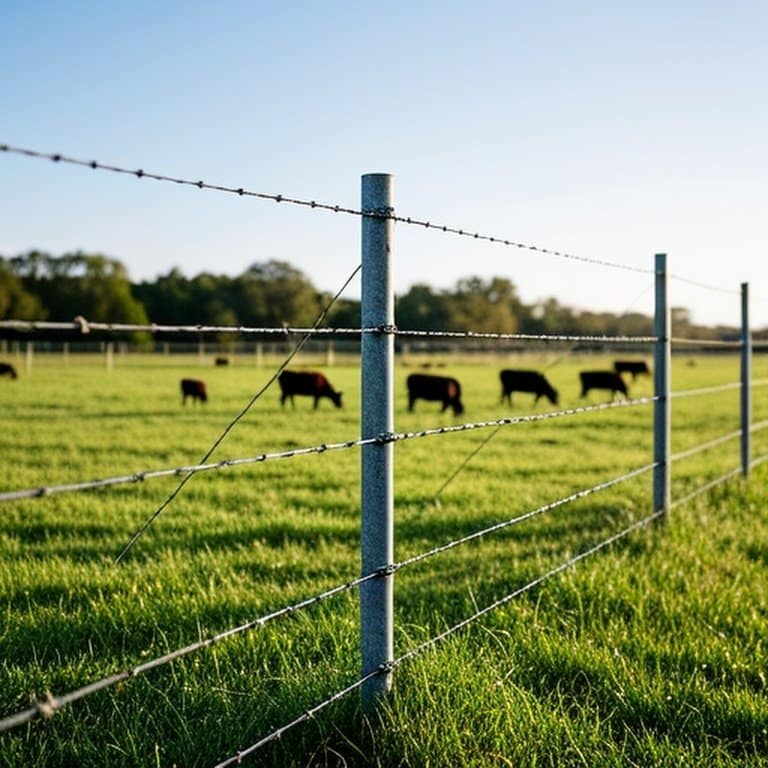
Fence lifespan directly affects total ownership cost, labor planning, and long-term reliability. Many livestock owners replace traditional wire fencing every 10–15 years due to sagging, rust, or breakage. High-tensile wire is often marketed as “long-lasting,” but without context, that claim can feel vague or unrealistic.
This question matters because longevity is not guaranteed by material alone. Installation quality, animal behavior, and environmental conditions determine whether a fence reaches its expected lifespan or fails prematurely. Understanding what actually limits service life helps producers make realistic, long-term fencing decisions.
Key Factors to Consider
- Wire coating quality: class of galvanization and corrosion resistance
- Installation tension: correct tension prevents fatigue and sagging
- Post and brace durability: structural support determines system lifespan
- Livestock pressure: behavioral stress versus constant physical contact
- Environmental exposure: moisture, soil chemistry, and climate extremes
Detailed Explanation
High-tensile wire fencing lasts significantly longer outdoors than conventional wire because it is designed to maintain structural integrity under constant tension. The high-carbon steel core resists permanent stretching, while heavy galvanization protects against rust and environmental degradation. Unlike regular wire that slowly sags and weakens, high-tensile wire maintains its original alignment for decades when properly installed.
The most common lifespan range—25 to 40 years—assumes quality materials and correct installation. In dry or moderate climates with low soil acidity, high-tensile wire can exceed this range. In harsh environments, lifespan is shortened not by the wire itself but by failures in posts, anchors, or ground conditions.
Another key factor is fatigue. Traditional wire stretches repeatedly as animals lean or push, which accelerates metal fatigue and eventual breakage. High-tensile wire absorbs pressure elastically and returns to shape, reducing long-term stress. This is why fences remain tight even after years of use.
However, longevity is system-dependent. Poor bracing, incorrect tensioning, or inadequate post depth can shorten lifespan dramatically. In these cases, the wire may remain intact, but the fence fails structurally. High-tensile fencing rewards precision at installation and punishes shortcuts more severely than conventional systems.
Electricity also plays an indirect role. Electrified high-tensile fences experience less physical contact, reducing mechanical wear and extending system life. The wire does not last longer because of electricity—but the system does.
How Cattle Behavior Affects This Choice
Cattle behavior has a direct impact on how long high-tensile fencing lasts. Calm, pasture-trained cattle usually apply light, intermittent pressure. In these conditions, the wire experiences minimal fatigue and can easily reach its expected lifespan.
Problems occur when cattle repeatedly lean, rub, or crowd against the fence, especially near feeding or watering areas. Constant pressure increases stress on posts and braces rather than the wire itself. Electrification significantly reduces this behavior, indirectly extending fence life. Longevity is maximized when fencing shapes behavior instead of resisting force.
Calves vs Mature Cattle Considerations
Calves exert less force but test fences more frequently. Repeated contact increases wear at specific heights, especially if spacing is not optimized. Visibility improvements and proper spacing help reduce unnecessary contact.
Mature cattle apply greater force but interact more predictably. High-tensile wire handles adult pressure well, provided structural support is adequate. Most lifespan reductions with adult cattle result from underbuilt corners or shallow posts rather than wire failure.
Terrain, Visibility, and Pressure Zones
Uneven terrain affects lifespan by redistributing tension. Slopes increase load on downhill posts and anchors. When post spacing is not adjusted, these areas experience accelerated wear.
Visibility reduces accidental contact, lowering stress on the fence. Pressure zones—corners, gates, and feeding areas—are the most common failure points. Reinforcing these zones is essential for achieving maximum lifespan regardless of wire quality.
When This Works Well
- Permanent perimeter fencing
- Electrified high-tensile systems
- Properly braced corners and deep-set posts
- Moderate climates and well-drained soils
- Operations planning decades-long use
When This Is Not Recommended
- Temporary fencing needs
- Poor soil conditions without reinforcement
- Installations with weak bracing
- High-pressure livestock without behavior control
- Projects prioritizing speed over precision
Alternatives or Better Options
Woven wire fencing provides strong physical barriers but typically lasts 15–25 years outdoors.
Barbed wire fencing has lower upfront cost but often requires replacement within 10–15 years.
Hybrid systems combining high-tensile wire with electric offsets or woven wire in pressure zones can extend overall fence lifespan.
Cost, Safety, and Practical Notes
High-tensile wire fencing has higher upfront installation costs but offers exceptional lifespan when installed correctly. Over decades, reduced replacement and maintenance costs often outweigh the initial investment. Safety considerations include proper tensioning and visibility to prevent injury from stored wire energy.
Practically, the wire itself rarely fails first. Posts, anchors, and bracing usually determine when a fence needs rebuilding. Treating high-tensile fencing as a long-term infrastructure system—rather than just wire—maximizes both lifespan and value.
Quick Takeaway
High-tensile wire fencing typically lasts 25–40 years outdoors, with longevity determined more by installation quality, behavior control, and structural support than by the wire itself.