
Short Answer
Welded wire mesh fencing typically lasts 10–25 years outdoors, depending on coating quality, wire gauge, climate exposure, and installation. Galvanized-after-weld mesh lasts longer than bare or lightly coated wire. Lifespan shortens significantly in high-moisture environments, under constant livestock pressure, or where installation concentrates stress on weld points.
Why This Question Matters
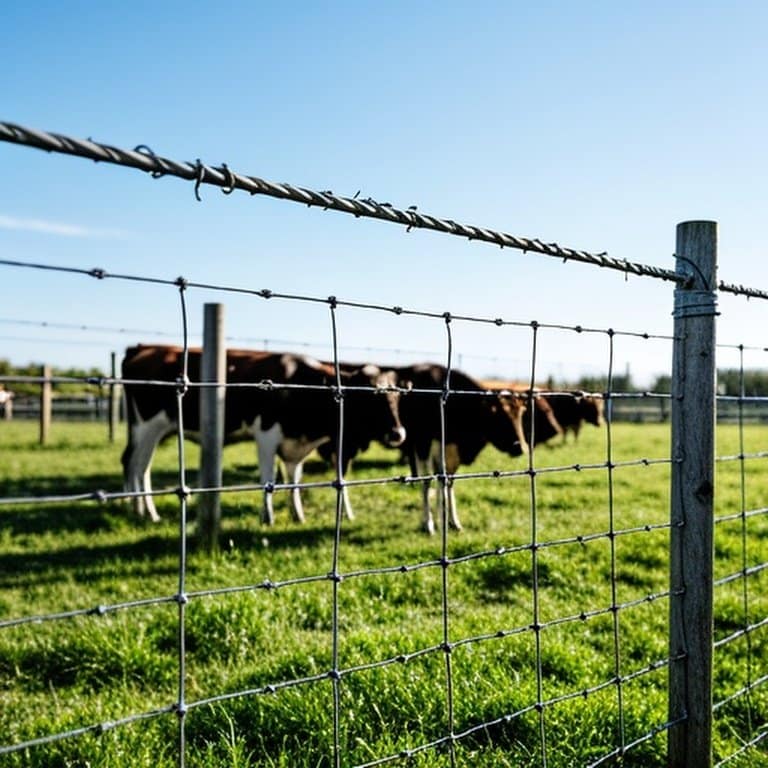
Fence lifespan directly affects total ownership cost, maintenance workload, and livestock safety. Welded wire mesh often looks durable at installation, leading many owners to overestimate how long it will last outdoors. Failures rarely happen suddenly; instead, corrosion, weld fatigue, and gradual deformation reduce strength over time. Understanding realistic lifespan expectations helps farms and ranches plan budgets, choose appropriate coatings, and avoid installing welded mesh in locations where early failure is likely. This question matters because replacing fencing early is far more expensive than choosing the right material upfront.
Key Factors to Consider
- Type and thickness of corrosion-resistant coating
- Wire gauge and weld integrity
- Climate exposure and moisture levels
- Livestock pressure and contact frequency
- Installation quality and post spacing
Detailed Explanation
The outdoor lifespan of welded wire mesh fencing depends primarily on corrosion resistance and stress management. Most welded wire mesh is steel-based, making it vulnerable to rust once protective coatings wear down. Galvanized-after-weld mesh generally lasts the longest because zinc fully coats both wires and weld points, which are the most failure-prone areas.
Wire gauge plays a supporting role. Thicker wire resists deformation and slows fatigue at welds, but it does not prevent corrosion. In humid climates, coastal areas, or regions with frequent freeze-thaw cycles, even heavy-gauge mesh can degrade quickly if coatings are thin or damaged during installation.
Installation quality strongly influences lifespan. Because welded wire mesh is rigid, stress concentrates at posts, corners, and weld intersections. Wide post spacing, poor corner bracing, or uneven terrain accelerates weld fatigue and coating breakdown. Once a weld cracks or coating flakes, corrosion spreads rapidly.
The short answer holds because welded wire mesh longevity is conditional, not guaranteed. In low-pressure, well-drained environments with high-quality coatings, welded mesh can last decades. In high-pressure livestock areas or harsh climates, visible deterioration can begin within a few years. Longevity is less about advertised durability and more about whether real-world conditions stay within the fence’s tolerance.
How Livestock Behavior Affects This Choice
Livestock behavior has a major impact on welded wire mesh lifespan. Animals apply repeated pressure through leaning, rubbing, and crowding—especially near feed, water, and gates. Welded wire does not flex to release this stress, so pressure accumulates at weld points and post connections.
Over time, repeated movement wears protective coatings at contact points. Once coating loss occurs, rust forms quickly and spreads outward. Even fences that appear intact structurally may lose strength internally. In herds with high stocking density or dominant animals, lifespan reduction is often driven more by behavior than by climate alone.
Calves vs Mature Cattle Considerations
Welded wire mesh tends to last longer when used with calves or young livestock. Lower body weight and reduced pressure slow mechanical fatigue and coating wear. In calf pens or nursery areas, mesh fencing may reach the upper end of its lifespan range.
As animals mature, pressure increases dramatically. Mature cattle accelerate weld fatigue and coating damage through sustained contact. A fence that lasts 20 years for calves may last less than half that time once used for adult cattle, especially in perimeter or high-traffic areas.
Terrain, Visibility, and Pressure Zones
Flat terrain supports longer fence life by maintaining even tension and reducing stress concentration. Uneven ground creates bending forces that strain welds and crack coatings. Visibility helps reduce accidental impacts but does not eliminate sustained pressure.
Pressure zones—corners, gates, feeding areas—are where welded wire mesh usually fails first. Without reinforcement, lifespan in these zones is often a fraction of the rest of the fence line.
When This Works Well
- Interior fencing with controlled livestock movement
- Dry or well-drained climates
- Galvanized-after-weld mesh installations
- Pens, corrals, and low-pressure areas
- Regular inspection and maintenance access
When This Is Not Recommended
- High-pressure perimeter fencing
- Humid, coastal, or poorly drained environments
- Wide post spacing without reinforcement
- Mature cattle or aggressive livestock
- Low-maintenance operations
Alternatives or Better Options
Woven wire fencing often outlasts welded mesh in high-pressure livestock environments because it flexes and reduces weld fatigue. High-tensile wire systems offer long service life when properly tensioned and maintained. Electric fencing minimizes physical contact, significantly extending system lifespan by shifting containment from strength to behavior control.
Cost, Safety, and Practical Notes
Welded wire mesh has moderate upfront costs but variable long-term value. Higher-quality coatings increase lifespan but raise material prices. Safety benefits include reduced entanglement for small animals, but rusted or broken welds can create sharp edges if not repaired. Practically, welded wire mesh delivers the best return when used selectively in environments that limit corrosion and pressure. Treating it as a universal outdoor solution often leads to earlier replacement and higher lifetime costs.
Quick Takeaway
Welded wire mesh fencing can last anywhere from 10 to 25 years outdoors, but only when coating quality, livestock pressure, climate, and installation are properly matched. Its lifespan shortens rapidly when used outside its ideal conditions.