
Short Answer
Smooth wire is generally safer for livestock than barbed wire, especially for horses, young animals, and mixed herds. Barbed wire can still be appropriate for large cattle in low-pressure, open-range settings, but it carries higher injury risk. Safety depends on livestock behavior, wire spacing, visibility, and how much pressure animals place on the fence.
Why This Question Matters
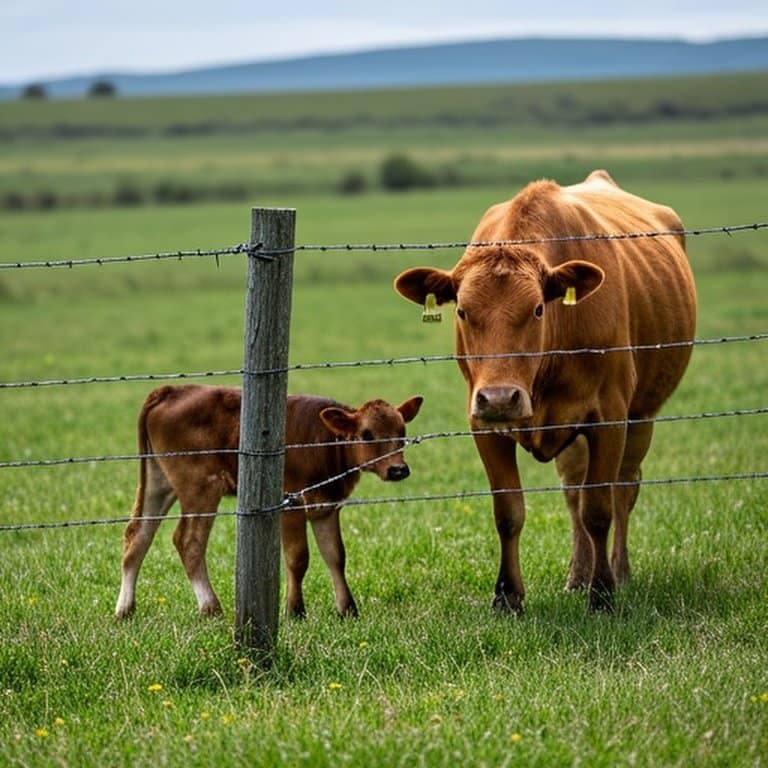
Fence-related injuries are costly, preventable, and often severe. Barbed wire is widely used because it is inexpensive and effective at discouraging contact, yet it is also one of the most common causes of livestock lacerations and entanglement injuries. Smooth wire, while less visually intimidating, behaves very differently when animals make contact. This question matters because choosing the “wrong” wire type can increase vet bills, reduce animal welfare, and create long-term liability issues—especially when fencing is used in high-traffic or high-pressure areas.
Key Factors to Consider
- Livestock species, size, and typical behavior
- Likelihood of animals running, crowding, or panicking
- Fence visibility and wire spacing
- Pressure level: perimeter fencing versus interior use
- Injury tolerance and animal welfare priorities
Detailed Explanation
Barbed wire deters livestock primarily through pain avoidance. When animals brush against it, the barbs create discomfort that discourages repeated contact. This can be effective for large, calm cattle in wide-open areas where pressure on the fence is minimal. However, when animals panic, crowd, or attempt to cross the fence, barbed wire can cause deep cuts, torn hides, and severe entanglement injuries.
Smooth wire fencing relies on tension and spacing rather than sharp deterrents. When livestock contact smooth wire, it flexes and slides rather than tearing flesh. This significantly reduces injury severity, particularly for horses, calves, sheep, and goats. Smooth wire also works better in systems where electric offsets are used to train animals to respect boundaries without physical harm.
The difference becomes critical in high-pressure situations. In corners, gates, feeding areas, or during herd movement, animals are more likely to collide with fences. Barbed wire turns these incidents into injuries, while smooth wire turns them into manageable contact events. Over time, this difference affects animal health, labor demands, and overall safety.
The short answer holds because barbed wire trades safety for deterrence. Smooth wire trades deterrence for forgiveness. In modern livestock systems—where welfare, liability, and mixed-use fencing matter—smooth wire is usually the safer choice.
How Livestock Behavior Affects This Choice
Livestock behavior is the biggest safety variable. Calm, range-raised cattle that rarely test fences may coexist with barbed wire for years without incident. In contrast, nervous animals, young stock, or herds frequently moved through gates interact with fences aggressively and unpredictably.
When animals run, slip, or crowd, barbed wire magnifies injury risk. Smooth wire reduces damage because it does not hook skin or limbs. Behavior-driven contact explains why barbed wire may seem “fine” for some operations and disastrous for others. Safety outcomes depend more on how animals behave than on wire strength.
Calves vs Mature Cattle Considerations
Calves and young livestock are particularly vulnerable to barbed wire injuries. Their smaller size increases the risk of slipping between strands or becoming entangled. Cuts sustained early in life can lead to infection, scarring, or long-term performance issues.
Mature cattle tolerate barbed wire better due to thicker hides and greater body awareness. Even so, injuries still occur during crowding or panic events. Smooth wire provides a safer option across age groups, especially in operations that cycle animals regularly.
Terrain, Visibility, and Pressure Zones
Uneven terrain increases the chance of falls and missteps, making barbed wire more dangerous. Low visibility—such as brushy areas or poor lighting—also raises injury risk. Smooth wire is more forgiving in these conditions.
Pressure zones like corners, gates, and handling areas amplify contact frequency. In these locations, barbed wire presents the highest risk and is generally not recommended regardless of livestock type.
When This Works Well
- Smooth wire for horses, calves, and mixed livestock
- Interior fencing and high-traffic areas
- Operations prioritizing animal welfare
- Use with electric offsets for behavior control
- Uneven terrain or limited visibility
When This Is Not Recommended
- Barbed wire near handling facilities
- Areas with frequent livestock movement
- Young or flighty animals
- High-pressure corners and gates
- Operations with low injury tolerance
Alternatives or Better Options
Electric fencing paired with smooth wire offers strong containment with minimal injury risk. Woven wire provides physical containment without sharp contact points. For horses, specialty rail or coated wire systems outperform both barbed and smooth wire in safety. In many cases, combining smooth wire with behavioral deterrents delivers the best balance between safety and effectiveness.
Cost, Safety, and Practical Notes
Barbed wire is usually cheaper upfront and requires fewer materials, but injury-related costs can outweigh savings. Smooth wire costs slightly more and requires better tensioning but reduces veterinary expenses and labor associated with injuries. From a liability perspective, smooth wire is safer in shared or visible areas. Practically, the safer wire is often the more economical choice over the full lifespan of the fence.
Quick Takeaway
Smooth wire is safer for most livestock situations, especially where animals move, crowd, or panic. Barbed wire may still work for calm cattle in low-pressure environments, but it carries higher injury risk. When safety matters, smooth wire is the better default choice.