
Short Answer
Woven wire fencing combined with electric offsets is the most effective wire fence for predator control. Woven wire provides a continuous physical barrier that blocks climbing and squeezing, while electric wires deter digging, pushing, and repeated testing. No single wire fence works alone in all cases—effective predator control depends on barrier design, ground contact, and pressure management.
Why This Question Matters
Predator losses don’t happen gradually—they usually occur suddenly, repeatedly, and at the weakest point of the fence. Many livestock owners install fencing designed to hold animals in, not predators out, and only discover the mismatch after losses occur. This question matters because predators exploit gaps, weak tension, ground clearance, and behavioral patterns. Choosing the wrong wire fence can turn predator control into a constant repair cycle. The right system reduces pressure, prevents entry attempts, and protects livestock without requiring nonstop monitoring.
Key Factors to Consider
- Predator species and attack behavior (digging, climbing, squeezing)
- Fence opening size and ground contact quality
- Fence height and top deterrence
- Pressure zones such as corners and terrain dips
- Maintenance tolerance and inspection frequency
Detailed Explanation
Woven wire fencing is the most reliable base for predator control because it creates a continuous physical barrier. Small, graduated openings prevent predators from squeezing through, while the flexible woven structure absorbs pressure without opening gaps. Unlike welded wire, woven wire does not fail suddenly at fixed points, making it more dependable under repeated probing.
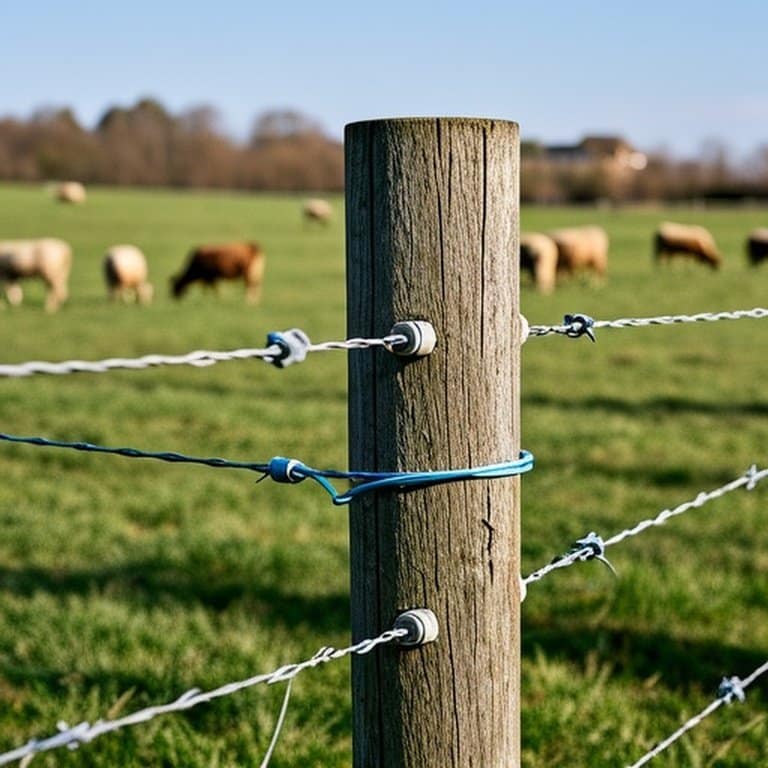
However, physical barriers alone are rarely enough. Many predators dig under fences or repeatedly test weak points. Electric offsets—typically one low wire near ground level and one or two higher deterrent wires—dramatically improve effectiveness. The electric shock trains predators to avoid the fence entirely, reducing long-term pressure.
High-tensile wire systems can work for predator control only when fully electrified and carefully designed. Without electrification, they offer little resistance to determined predators. Welded wire fencing provides good initial containment but is vulnerable at weld points and ground contact areas, especially when predators apply repeated pressure.
Fence height also matters. Short fences invite climbing or jumping. Ground clearance is equally critical; even small gaps allow entry. Predator control failures usually occur at corners, gates, or terrain dips—not in the middle of well-built fence runs.
The short answer holds because predator control requires both physical blocking and behavioral deterrence. Woven wire provides the block; electric wire provides the deterrent. Together, they form a system predators learn to avoid rather than challenge.
How Livestock Behavior Affects This Choice
Livestock behavior indirectly affects predator fencing because livestock pressure weakens barriers predators later exploit. Animals rubbing or crowding fences loosen posts and open gaps at ground level.
A woven wire fence that tolerates livestock pressure maintains its integrity longer, preserving predator resistance. Systems that degrade under livestock contact create predictable entry points predators quickly learn to use. Predator control is only as strong as the fence’s ability to stay intact under everyday livestock behavior.
Calves vs Mature Livestock Considerations
Young livestock are more vulnerable to predators and require tighter fencing with smaller openings. Woven wire with low electrified strands is particularly effective for calves, lambs, and kids.
As livestock mature, predator pressure may shift, but fence requirements do not disappear. Mature animals may reduce predation risk, but gaps created earlier remain. Predator fencing should be designed for the most vulnerable life stage, not the strongest one.
Terrain, Visibility, and Pressure Zones
Uneven terrain is the enemy of predator control. Low spots create digging opportunities, while high spots allow predators to slip underneath. Stepped installation and ground wire aprons are critical.
Pressure zones—corners, gates, drainage crossings—are where predators test fences first. These areas require extra posts, tighter mesh, and dedicated electric deterrents to remain effective long-term.
When This Works Well
- Woven wire combined with electric offsets
- Predator-sensitive livestock like sheep and goats
- Perimeter fencing with reinforced corners
- Flat or well-managed terrain
- Operations willing to maintain voltage and ground contact
When This Is Not Recommended
- Single-layer wire fencing without electrification
- Welded wire in high-pressure predator areas
- High-tensile wire without electric deterrence
- Poorly drained or uneven terrain without reinforcement
- Low-maintenance systems expecting zero upkeep
Alternatives or Better Options
In high-risk areas, multi-layer systems outperform single fences. Woven wire plus electric offsets is often superior to taller or heavier fencing alone. Some operations add temporary electric netting during vulnerable seasons. In extreme cases, non-wire barriers or full electric predator fencing may be necessary. The best option is often layered rather than upgraded material alone.
Cost, Safety, and Practical Notes
Predator fencing costs more upfront but prevents repeated livestock losses. Woven wire increases material and labor costs, while electric systems add maintenance demands. Safety improves because livestock are less likely to escape or panic under predator pressure. Practically, predator control fencing should be evaluated as a system investment, not a material choice. The cost of one predation event often exceeds the cost difference between proper and inadequate fencing.
Quick Takeaway
The best wire fence for predator control is woven wire combined with electric deterrents. Physical barriers stop entry; electric shock stops repeat attempts. Predator control fails when fencing relies on strength alone instead of layered deterrence.