
Short Answer
Wood fencing typically costs $15 to $35 per linear foot installed on a farm, depending on wood type, fence height, rail style, and labor rates. Simple post-and-rail systems are cheaper, while board or privacy-style livestock fencing costs more. Terrain, soil conditions, and gate installation can significantly increase total project cost.
Why This Question Matters
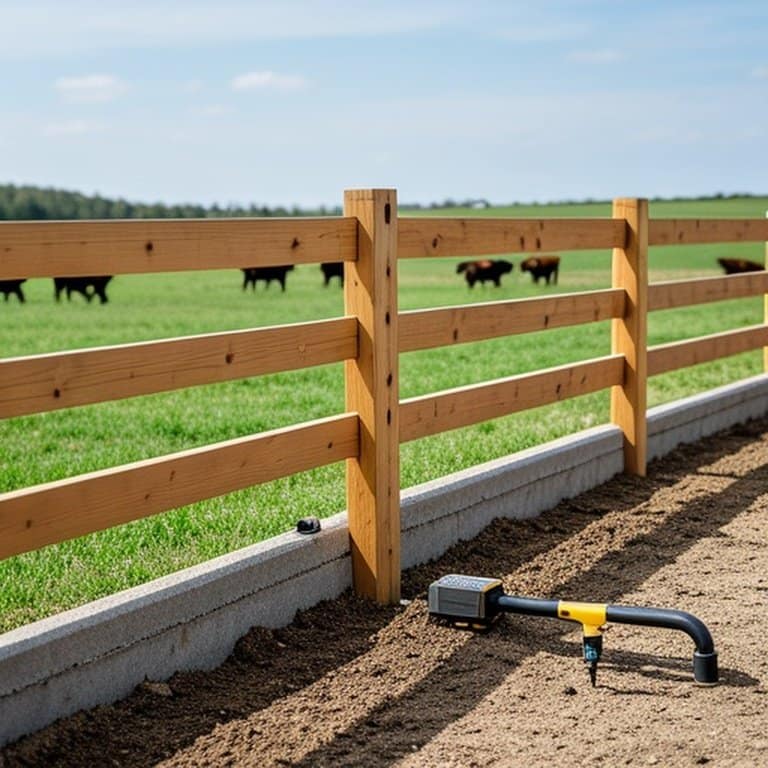
Fencing is one of the largest infrastructure expenses on a farm. A small difference in cost per foot can translate into thousands of dollars over long fence lines. Many farmers underestimate labor, post depth requirements, and hardware costs when budgeting. Understanding realistic installed pricing helps prevent underfunded projects, incomplete builds, or future replacement due to material shortcuts. Cost evaluation must include both upfront installation and long-term maintenance expectations.
Key Factors to Consider
- Type of wood (treated pine, cedar, hardwood)
- Fence style: post-and-rail vs board fence
- Height and number of rails
- Soil type and post installation depth
- Local labor rates and equipment access
Detailed Explanation
Material selection is the largest cost driver. Pressure-treated pine is generally the most affordable option, while cedar and hardwood increase price per foot due to higher lumber costs. Post size and spacing also influence total expense. Closer post spacing improves strength but raises material and labor costs.
Fence height directly affects price. Taller fencing requires longer posts, deeper installation, and additional rails or boards. For livestock such as horses, three- or four-rail configurations increase material usage. Hardware, including galvanized nails or screws, brackets, and fasteners, adds incremental but meaningful cost over long distances.
Labor varies significantly by region. Installation typically includes post-hole digging, setting posts in concrete or compacted gravel, rail attachment, alignment, and gate construction. Difficult soil conditions—rocky ground, clay, or uneven terrain—raise labor costs because posts require more effort and equipment.
Gates and corner bracing must also be factored in. Gates often cost substantially more per unit than straight fence runs. Strong bracing in corners improves longevity but increases initial investment.
While $15–$35 per foot is common, large-scale perimeter projects can trend toward the lower end with simple rail systems. Smaller paddocks with premium wood and tighter spacing can exceed the upper range. The short answer holds because cost is driven by material quality, structural requirements, and labor complexity—not just lumber price.
How Cattle Behavior Affects This Choice
Cattle pressure may require heavier posts and reinforced rails, increasing material cost. Leaning and rubbing behavior can shorten lifespan if lower-grade lumber is used.
Investing in stronger posts and quality fasteners reduces long-term repair expenses. Budget decisions should consider behavioral pressure patterns, not just linear footage.
Calves vs Mature Cattle Considerations
Calves require less structural strength, allowing lighter rails in some interior applications. Mature cattle demand stronger posts and thicker boards.
Planning for herd growth prevents costly retrofits. Upgrading early often costs less than reinforcing undersized fencing later.
Terrain, Visibility, and Pressure Zones
Uneven terrain increases installation time and post depth requirements. Sloped areas may require stepped installation or custom cuts.
High-visibility areas often justify higher-grade lumber. Pressure zones such as gates require additional bracing, which increases per-foot averages.
When This Works Well
- Small paddocks or horse enclosures
- Farms prioritizing appearance and safety
- Well-drained soil with easy access
- Moderate fence height requirements
- Planned reinforcement in corners and gates
When This Is Not Recommended
- Large acreage perimeter fencing
- Tight budgets requiring lowest cost per foot
- Poorly drained or rocky soil
- Operations seeking minimal maintenance
- Temporary or short-term fencing needs
Alternatives or Better Options
For large perimeters, high-tensile or woven wire fencing often costs significantly less per foot installed. Many farms use wood fencing in paddocks and wire systems for boundary lines. Hybrid designs—wood posts with wire infill—reduce lumber cost while maintaining structure and visibility.
Cost, Safety, and Practical Notes
Upfront cost should be compared with expected lifespan and maintenance labor. Wood fencing provides excellent visibility and safety, particularly for horses, but requires inspection and occasional board replacement. Wire fencing often costs less per foot but may not offer the same visual barrier. Practical budgeting should include hardware, gate installation, bracing, and future repair allowance.
Quick Takeaway
Wood fencing typically costs $15–$35 per foot installed, depending on wood type, height, and labor. Larger projects trend lower per foot, while premium materials and complex terrain increase costs. Always budget for gates, bracing, and long-term maintenance.