
Short Answer
Yes, wood fencing is generally safe for horses and cattle when properly installed and maintained. It offers high visibility and a solid physical barrier, reducing accidental collisions. However, safety depends on smooth boards, secure fasteners, proper spacing, and reinforced posts. Poorly maintained or splintered wood can pose injury risks.
Why This Question Matters
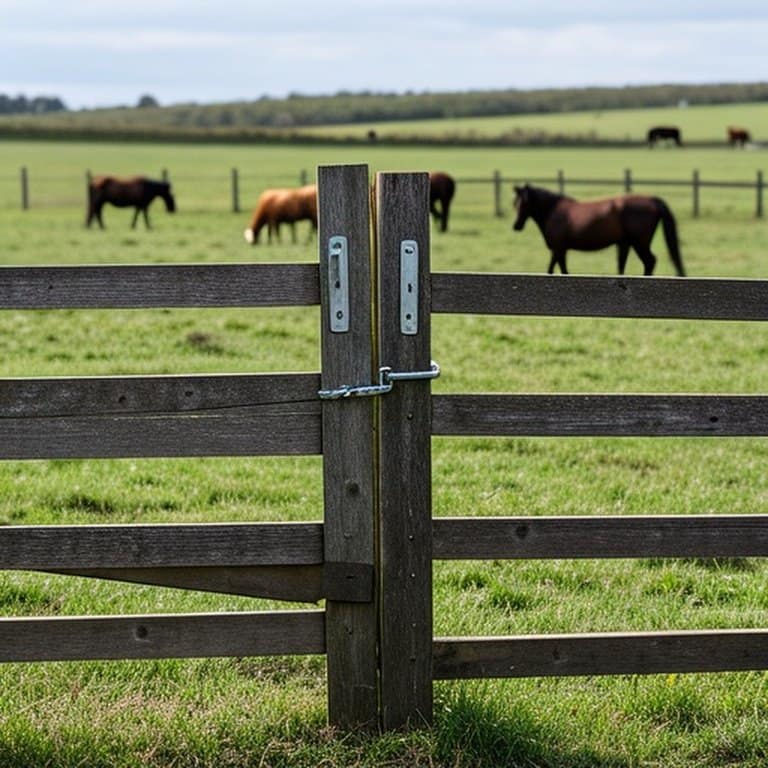
Fence-related injuries can lead to expensive veterinary bills, lost productivity, and long recovery times. Horses, in particular, are prone to panic injuries if fencing is poorly designed. Cattle can also be harmed by broken boards or protruding hardware. Choosing a fence that prioritizes visibility, structural integrity, and durability reduces risk. Understanding whether wood fencing truly supports animal safety helps farmers avoid preventable injuries and long-term liability concerns.
Key Factors to Consider
- Livestock species and behavioral patterns
- Board spacing and fence height
- Smooth surfaces and secure fasteners
- Post depth and structural stability
- Regular inspection and maintenance schedule
Detailed Explanation
Wood fencing is widely regarded as one of the safest options for horses due to its high visibility. Horses rely heavily on sight to judge barriers. Solid rails clearly define boundaries, reducing the chance of accidental impact compared to less visible wire systems. Properly spaced rails also discourage attempts to push through.
For cattle, wood fencing provides a strong physical barrier. It resists moderate pressure well when posts are properly set and braced. However, cattle often lean or rub against fencing. Over time, this behavior can loosen boards and hardware if not inspected regularly.
Safety risks typically arise from neglect rather than from the material itself. Splintered boards, protruding nails, cracked rails, or rotted posts create hazards. Horses may cut themselves on broken wood edges, and cattle may injure shoulders or hips on unstable boards. Regular inspection and immediate repair are essential for maintaining safety.
Fence height and spacing matter. For horses, rails should be high enough to discourage jumping and close enough to prevent legs from slipping through. For cattle, appropriate height prevents animals from reaching over and applying excessive pressure.
When properly installed with treated posts, smooth boards, and galvanized hardware, wood fencing performs safely for both horses and cattle. The short answer holds because wood’s visibility and strength enhance safety—provided maintenance remains consistent.
How Cattle Behavior Affects This Choice
Cattle typically apply steady pressure rather than sudden impact. Leaning and rubbing can loosen boards over time. Reinforced posts and high-quality fasteners reduce structural movement.
Regular inspection of pressure points—especially feeding areas and gates—prevents small issues from becoming safety hazards. Well-braced corners significantly improve long-term stability.
Calves vs Mature Cattle Considerations
Calves pose minimal structural stress, making wood fencing highly suitable. As cattle mature, increased weight and pressure require stronger posts and rails.
Planning for mature livestock from the start prevents future reinforcement costs. Thicker boards and deeper posts improve both safety and durability.
Terrain, Visibility, and Pressure Zones
Flat, well-drained terrain enhances structural stability. Uneven ground may create gaps that increase escape or injury risk. Careful alignment reduces stress on boards.
High-visibility zones benefit from wood fencing’s solid appearance. Pressure zones—gates, corners, feeding areas—should be reinforced to prevent loosening and reduce injury risk.
When This Works Well
- Horse paddocks requiring high visibility
- Small to mid-size cattle operations
- Well-drained soil conditions
- Farms committed to regular inspection
- Reinforced corners and secure hardware
When This Is Not Recommended
- Neglected fences without maintenance plans
- Large-scale perimeter fencing with minimal supervision
- Poor drainage leading to rapid post rot
- High-density crowding without reinforcement
- Temporary fencing needs
Alternatives or Better Options
For cattle-only operations, woven wire or high-tensile fencing may offer lower cost and similar containment. Many horse farms combine wood rails with wire backing for added strength. Hybrid systems often improve durability while maintaining visibility and safety.
Cost, Safety, and Practical Notes
Wood fencing typically costs more than basic wire systems but provides excellent safety benefits for horses. Maintenance includes replacing damaged boards and checking hardware regularly. Safety performance depends heavily on installation quality—proper post depth, smooth surfaces, and tight fasteners. Investing in durable materials upfront reduces injury risk and long-term repair costs.
Quick Takeaway
Wood fencing is safe for horses and cattle when properly installed and maintained. Its visibility and solid structure reduce injury risk, but long-term safety depends on routine inspection, reinforcement, and moisture control.