
Short Answer
To maintain a wood fence on a ranch, inspect it at least twice a year, repair loose boards and hardware immediately, control vegetation around posts, ensure proper drainage, and reseal or treat exposed wood when needed. Preventing moisture damage and reinforcing high-pressure areas are the most effective ways to extend fence lifespan.
Why This Question Matters
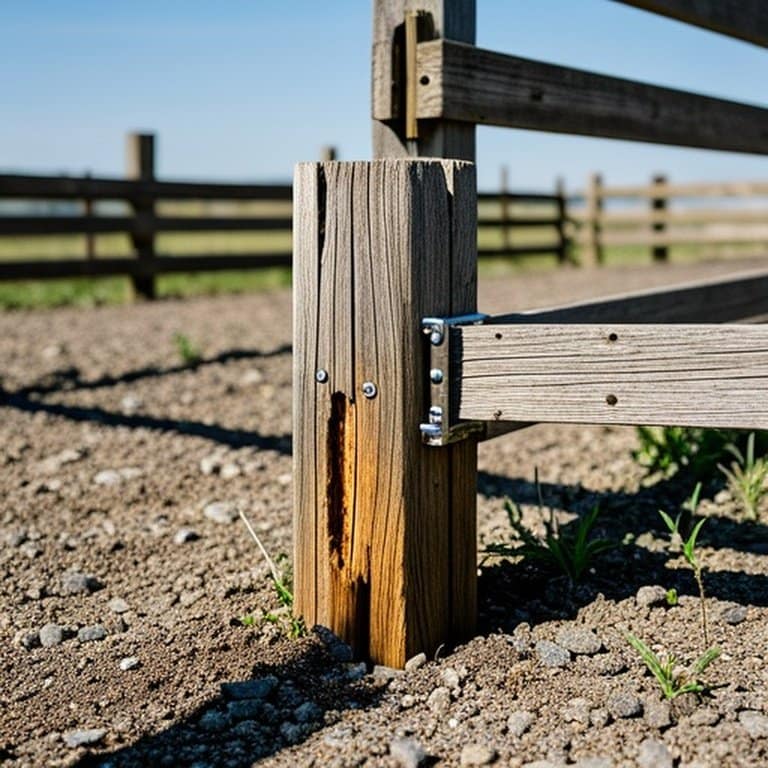
Wood fencing naturally deteriorates over time due to moisture, livestock pressure, insects, and weather exposure. On a ranch, long fence lines amplify small maintenance issues into expensive structural failures if left unchecked. Posts rot from ground contact, boards loosen from cattle rubbing, and hardware corrodes under exposure. Routine maintenance is not optional—it determines whether a wood fence lasts 10 years or 20. Understanding proper upkeep protects livestock safety and reduces costly replacement projects.
Key Factors to Consider
- Post condition at ground-contact level
- Loose or protruding fasteners
- Drainage and soil moisture around posts
- Livestock pressure points (gates, corners)
- Weather exposure and UV damage
Detailed Explanation
The most critical maintenance task is inspecting fence posts at ground level. Rot usually begins where wood meets soil. Look for softness, discoloration, or shifting posts. Early detection allows partial reinforcement rather than full replacement. Good drainage around posts significantly slows decay.
Next, examine rails and boards for cracks, warping, or splintering. Cattle and horses frequently lean or rub against fences, loosening fasteners. Tightening screws or replacing nails prevents boards from detaching and becoming safety hazards. Hardware should be galvanized or corrosion-resistant to minimize rust.
Vegetation control is another key factor. Grass and weeds trap moisture against wood, accelerating rot. Clearing a small buffer zone around the fence line improves airflow and reduces decay risk. In wet climates, gravel backfill or improved grading may be necessary to divert water away from posts.
Surface protection also matters. Applying sealant or stain every few years helps protect against UV damage and moisture penetration. While treated lumber resists decay, exposed surfaces still benefit from protective coatings.
Finally, reinforce high-pressure areas. Corners, gates, and feeding zones endure the most stress. Adding braces or thicker rails in these zones reduces structural fatigue.
The short answer works because wood fence longevity depends on consistent inspection, moisture management, and quick repairs. Small fixes done regularly prevent major structural failure.
How Cattle Behavior Affects This Choice
Cattle apply steady pressure by leaning and rubbing. Over time, this loosens boards and shifts posts. Regularly inspecting pressure points prevents structural instability.
Installing reinforced posts or additional rails in high-traffic zones reduces repeated stress. Managing herd density near gates and feed areas also minimizes concentrated pressure damage.
Calves vs Mature Cattle Considerations
Calves create minimal stress, so fences may appear stable early on. As cattle mature, increased body weight and pressure accelerate wear.
Maintenance plans should anticipate mature livestock loads. Strengthening posts and replacing weaker boards before herd growth peaks prevents larger repair costs later.
Terrain, Visibility, and Pressure Zones
Poor drainage is the leading cause of fence failure. Posts in wet soil deteriorate faster. Ensuring proper grading extends lifespan.
High-visibility areas require smooth surfaces to prevent splinters. Pressure zones should be reinforced with diagonal bracing or thicker posts for long-term stability.
When This Works Well
- Ranches with scheduled seasonal inspections
- Well-drained soil conditions
- Reinforced gate and corner construction
- Livestock managed to reduce crowding
- Routine vegetation control around fence lines
When This Is Not Recommended
- Neglected fences without inspection plans
- Constantly wet soil with no drainage improvement
- High-density crowding areas without reinforcement
- Large acreage requiring minimal labor commitment
- Temporary fencing solutions
Alternatives or Better Options
If maintenance demands become excessive, high-tensile or woven wire systems may reduce long-term labor. Some ranches use wood fencing only in paddocks and wire for perimeter runs. Hybrid systems maintain visibility while lowering upkeep requirements.
Cost, Safety, and Practical Notes
Routine maintenance costs less than full fence replacement. Budgeting for periodic board replacement, hardware tightening, and vegetation control improves safety and extends fence life. Wood fencing provides excellent visibility and safety but requires active management. Evaluating labor capacity is essential when choosing this material for large ranches.
Quick Takeaway
Maintaining a wood fence on a ranch requires regular inspection, moisture control, quick repairs, and reinforcement of pressure zones. Consistent upkeep can double fence lifespan and protect livestock safety.