
Short Answer
The biggest problems with wood fencing on farms are rot, warping, livestock damage, high maintenance, and long-term repair costs. While wood fences look strong and attractive, they deteriorate from moisture, animal pressure, insects, and weather exposure. Over time, posts weaken, boards loosen, and repairs become frequent and labor-intensive.
Why This Question Matters
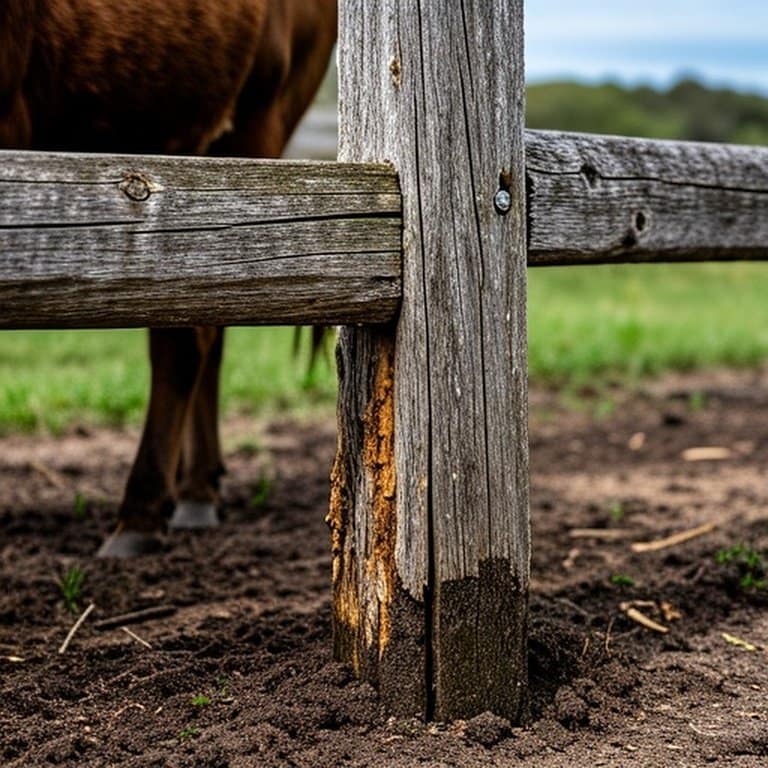
Wood fencing is popular on farms because it is visible, traditional, and sturdy. However, many farm owners underestimate how quickly environmental stress and livestock behavior can degrade wood structures. Replacing posts, fixing broken boards, and dealing with rot can significantly increase lifetime costs. Poorly maintained wood fences can also become safety hazards for horses and cattle. Understanding the most common problems helps farm owners plan maintenance schedules, choose better materials, or decide whether another fencing system may be more practical for large acreage.
Key Factors to Consider
- Moisture exposure and soil contact depth
- Livestock pressure, rubbing, and leaning behavior
- Insect damage, especially termites and carpenter ants
- Climate extremes: freeze-thaw cycles and sun exposure
- Ongoing maintenance time and labor availability
Detailed Explanation
Rot is the most common and costly problem with wood fencing. Posts buried in soil are constantly exposed to moisture. Even pressure-treated lumber eventually deteriorates at ground level, where oxygen and moisture combine to accelerate decay. Once posts weaken, entire fence sections can lean or collapse.
Warping and cracking are another issue. Wood expands and contracts with temperature and humidity changes. Over time, boards may split, twist, or pull away from fasteners. This creates sharp edges, loose rails, and structural instability. In areas with strong sun exposure, ultraviolet degradation can dry out wood, increasing brittleness.
Livestock behavior significantly affects longevity. Cattle lean and rub against boards, loosening nails and screws. Horses may chew rails or kick panels. Repeated pressure can shift posts and weaken connections, especially in high-traffic zones such as feeding areas or gates.
Maintenance demands add to the problem. Wood fences require sealing, staining, painting, and regular inspection. Replacing damaged boards is common. Compared to wire or high-tensile systems, wood fencing generally requires more hands-on upkeep.
The short answer holds because wood fencing’s biggest problems stem from environmental decay, structural stress, and ongoing maintenance. While visually appealing and strong when new, wood systems require consistent attention to remain safe and functional on active farms.
How Cattle Behavior Affects This Choice
Cattle frequently rub, scratch, and lean against fences. Over time, this repeated pressure loosens rails and stresses posts. Even well-built wood fences can shift if corner bracing is insufficient.
High-density herds amplify the problem. Feeding and watering areas often become pressure zones where animals crowd against barriers. In these areas, thicker posts and reinforced bracing are essential to reduce structural failure.
Calves vs Mature Cattle Considerations
Calves are lighter but more curious. They may push between boards if spacing allows, causing boards to loosen. Mature cattle apply greater force, increasing the risk of cracked rails and leaning posts.
Wood fencing performs better when spacing is appropriate and boards are securely fastened. However, if livestock size varies within the same enclosure, reinforcement may be necessary to maintain structural integrity.
Terrain, Visibility, and Pressure Zones
On uneven terrain, wood posts may not sit evenly, leading to alignment stress. Sloped areas can increase soil erosion around posts, accelerating rot at the base.
Visibility is usually good with wood rail fencing, which helps horses avoid collisions. However, limited airflow between closely spaced boards may trap moisture, increasing decay in humid climates.
When This Works Well
- Horse paddocks needing high visibility
- Decorative perimeter fencing near homes
- Small enclosures with manageable maintenance
- Low-moisture climates with reduced rot risk
- Reinforced corners and properly sealed posts
When This Is Not Recommended
- Large acreage requiring low-maintenance systems
- High-moisture or swampy soil conditions
- High-density cattle operations
- Predator-heavy areas without added deterrents
- Limited labor availability for ongoing repairs
Alternatives or Better Options
Woven wire fencing with treated wood posts reduces board replacement frequency while maintaining structure. High-tensile wire systems offer lower maintenance and longer lifespan across large pastures. Hybrid systems combining wood rails with interior electric wire can reduce livestock pressure on boards and extend fence life.
Cost, Safety, and Practical Notes
Initial installation of wood fencing is typically higher than basic wire systems due to lumber and labor requirements. Over time, maintenance costs add up through post replacement, board repairs, sealing, and repainting. Safety concerns arise when boards crack or nails protrude. Regular inspection is critical to prevent injury to horses and cattle. Moisture-prone regions may require gravel bases or concrete footings to extend post life. Wood fencing can last many years with proper care, but it demands ongoing investment. Farm owners should weigh aesthetic appeal against maintenance capacity and environmental conditions before choosing wood as a primary fencing system.
Quick Takeaway
The biggest problems with wood fencing on farms are rot, warping, livestock pressure damage, and ongoing maintenance demands. While attractive and sturdy when new, wood fencing requires consistent upkeep and reinforcement to remain safe and cost-effective over time.