
Short Answer
A properly installed woven wire fence typically lasts 20 to 40 years outdoors, depending on wire gauge, galvanization quality, climate, and maintenance. Heavy Class 3 galvanized field fence in dry climates can exceed 40 years, while lighter-gauge or poorly tensioned fencing in wet, corrosive environments may begin failing within 15–20 years.
Why This Question Matters
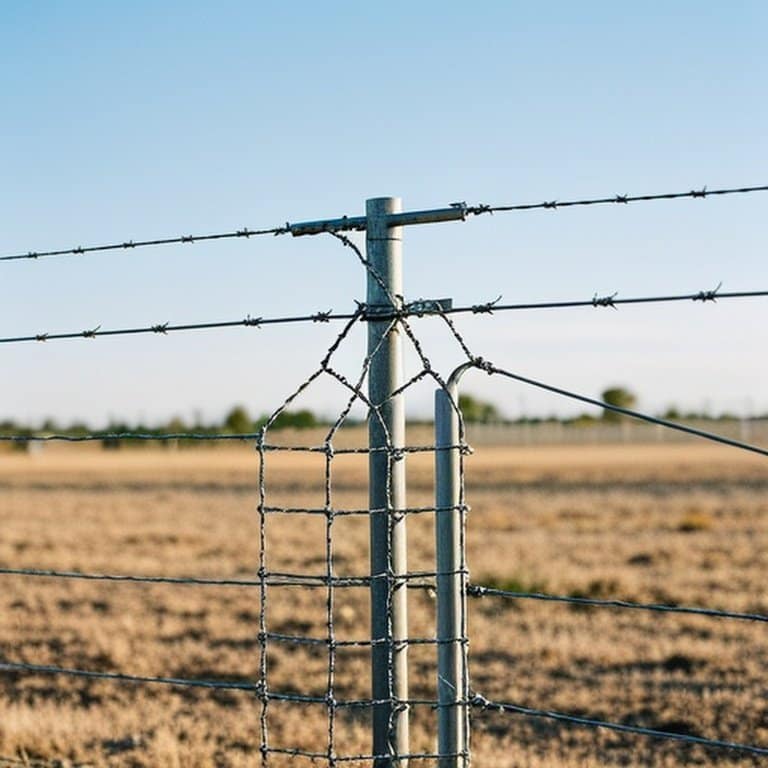
Fence longevity directly affects total farm costs, labor planning, and long-term land management. Replacing perimeter fencing is expensive—not just in materials, but in time, livestock disruption, and equipment use. Many farmers compare upfront price without understanding how coating quality, brace construction, or soil moisture influence lifespan. Choosing the right woven wire specification at the beginning can double service life and significantly reduce lifetime cost per foot.
Key Factors to Consider
- Galvanization class determines corrosion resistance lifespan
- Heavier gauge wire resists stretching and breakage longer
- Proper corner bracing prevents long-term tension failure
- Wet soil accelerates bottom wire corrosion
- Livestock pressure increases wear at high-contact zones
Detailed Explanation
Woven wire fence longevity is primarily controlled by corrosion resistance and structural integrity. The steel itself rarely “wears out”; instead, rust gradually weakens the wire until breakage occurs. Class 1 galvanized fencing contains less zinc coating and may show corrosion within 10–15 years in humid climates. Class 3 galvanized fencing contains significantly more zinc and can last decades longer, especially in dry or moderate conditions.
Wire gauge also matters. Lighter 14–14.5 gauge field fence is more affordable but may stretch over time under cattle pressure. Heavier 12.5 gauge or similar options resist deformation longer. Once woven wire begins to sag due to stretching or failed braces, stress concentrates at knots and staples, accelerating failure even if corrosion is minimal.
Environmental conditions are critical. Constant soil moisture, manure buildup, and vegetation contact accelerate rust at the bottom 6–12 inches of the fence. This “ground line” deterioration is the most common failure point. Keeping vegetation trimmed and preventing soil buildup along the fence significantly extends service life.
Finally, installation quality may be the single biggest determinant. Poorly braced corners and inadequate tension allow movement, which weakens knots over time. A properly tensioned woven wire fence with strong H-braces can maintain structural integrity for decades, even under moderate livestock pressure.
How Cattle Behavior Affects Longevity
Cattle reduce fence lifespan primarily through repeated leaning and rubbing. When animals consistently push against a fence line, tension shifts toward brace posts and staples. If braces are weak, the entire line loosens over time.
Adding a single electric offset wire can dramatically reduce contact pressure and extend lifespan. In high-traffic areas—near water troughs, feeders, or gates—reinforcement is often necessary. Without it, localized stress may shorten life expectancy even if the rest of the fence remains intact.
Calves vs Mature Cattle Considerations
Calves typically do less structural damage than mature cattle, but they may crawl under loose bottom wires. If bottom strands begin to loosen due to corrosion, young livestock may widen gaps further, accelerating failure.
For sheep and goats, constant fence testing increases wear at knot points. However, because these animals apply less brute force than cattle, properly tensioned woven wire often maintains structural life longer in small ruminant operations.
Terrain, Visibility, and Pressure Zones
Flat terrain generally allows even tension distribution, which promotes long service life. Rolling or uneven ground can create stress points where the fence is over-tightened or loosely anchored.
High-pressure zones—such as along feeding corridors—age faster than open pasture sections. Strategic reinforcement in these zones can extend the overall lifespan of the entire system by preventing localized collapse.
When This Works Well
- Perimeter fencing designed for long-term land ownership
- Moderate to dry climates with low soil salinity
- Properly braced installations using heavy galvanized wire
- Farms willing to perform minimal vegetation maintenance
- Mixed livestock operations requiring strong physical barriers
When This Is Not Recommended
- Coastal or highly corrosive environments without upgraded coating
- Temporary fencing systems requiring frequent relocation
- Installations using minimal bracing or improper tensioning
- Heavy feedlot pressure without electric offsets
- Areas with constant flooding or waterlogging
Alternatives or Better Options
High-Tensile Wire Fence
Often lasts as long or longer than woven wire when properly installed. Fewer horizontal wires mean less corrosion surface area, but it offers less physical barrier for small livestock.
Barbed Wire Fence
Can last decades with heavy galvanization, but provides minimal physical containment for sheep and goats and may require more frequent tightening.
Electric Fencing Systems
Components may need replacement sooner (energizers, insulators), but wire strands themselves can last many years if protected from vegetation and corrosion.
Cost, Safety, and Practical Notes
Although woven wire may have higher upfront material cost compared to simple barbed wire, its longer service life often lowers lifetime cost per year. Choosing heavy galvanization and strong bracing may increase initial expense by 10–20%, but can extend life by 10–15 years.
Maintenance is relatively low: periodic vegetation trimming, checking brace integrity, and tightening staples as needed. Safety-wise, woven wire is generally safer than barbed wire for sheep and goats, though horned animals require proper mesh spacing.
The bottom 12 inches of fence is the most vulnerable area. Simple measures—like maintaining drainage and clearing soil contact—can significantly extend durability.
Quick Takeaway
A high-quality woven wire fence typically lasts 20–40 years outdoors. Lifespan depends less on the wire itself and more on galvanization level, installation quality, livestock pressure, and environmental conditions. Investing in heavy coating and proper bracing dramatically increases long-term durability.