
Short Answer
Woven wire fence typically costs $4 to $12 per linear foot installed, depending on wire gauge, fence height, post spacing, terrain, and labor rates. Basic field fence with T-posts sits at the lower end, while taller livestock fencing with wood posts and heavy-gauge wire reaches the higher range.
Why This Question Matters
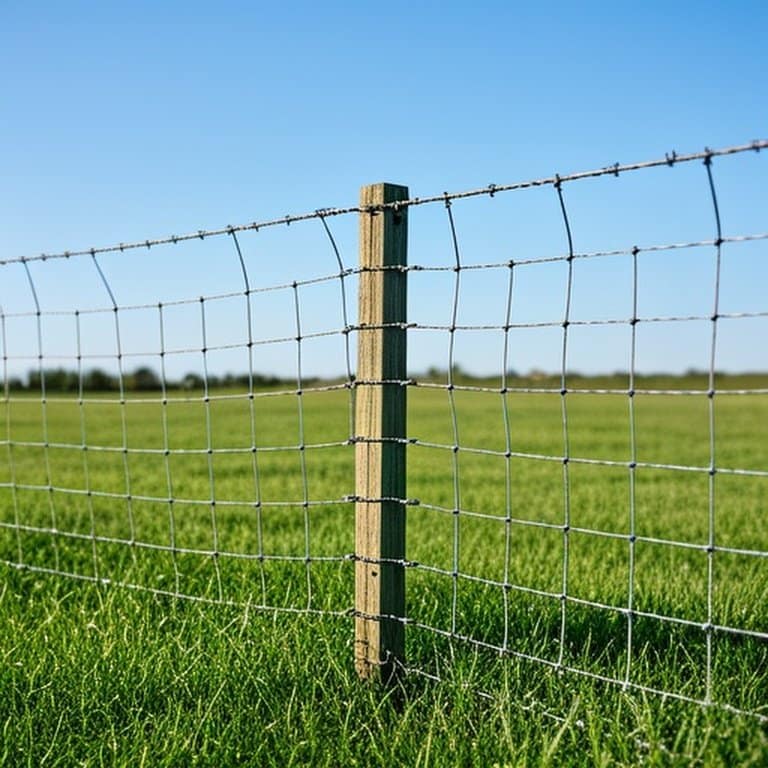
Fence cost directly impacts farm budgeting, especially for large perimeters measured in thousands of feet. A small difference per foot can translate into thousands of dollars in total project cost. Many landowners underestimate the combined expense of materials, corner bracing, labor, and terrain preparation. Understanding realistic installed costs helps avoid mid-project budget overruns and allows proper comparison with alternatives like high-tensile or electric fencing.
Key Factors to Consider
- Wire gauge and fence height selected
- Type of posts: T-post vs wood posts
- Corner bracing and gate installations
- Terrain difficulty and soil conditions
- Labor rates in your local area
Detailed Explanation
The largest cost component in woven wire fencing is material quality. Standard field fence in lighter gauges costs less per roll but may reduce lifespan. Heavier-gauge woven wire, especially for cattle or predator control, increases material cost but improves durability. Fence height also matters. A 4-foot fence costs significantly less than a 6-foot livestock enclosure because it uses more wire and stronger support posts.
Post selection strongly affects total cost. Steel T-posts reduce upfront expense and speed installation. Wood posts, while more expensive, provide greater long-term stability, especially for corner assemblies. Corner braces and H-braces are essential in woven wire systems. Skipping proper bracing reduces lifespan and leads to tension failure.
Labor varies widely by region. In flat, accessible pasture, installation is faster and cheaper. Rocky soil, slopes, and wooded areas increase labor time and equipment use. Contractors often price projects higher when clearing or grading is required before installation.
When scaled across long fence lines—such as 2,000 to 5,000 feet—these factors compound. That is why installed cost can range from $4 per foot for basic pasture fencing to $12 or more for heavy-duty livestock or predator-resistant woven wire systems.
How Cattle Behavior Affects This Choice
Cattle apply sustained pressure through leaning and rubbing. Heavier woven wire with closer vertical spacing may cost more upfront but reduces long-term repair expenses.
If electric offset wires are added, fence pressure decreases, allowing lighter configurations to perform longer. Farms without electric reinforcement often require stronger woven wire and tighter post spacing, which increases installed cost.
Calves vs Mature Cattle Considerations
Calf containment can use lighter field fence, lowering per-foot cost. However, mixed herds require stronger bottom spacing to prevent calves from slipping through.
For mature cattle, heavier gauge woven wire with strong bracing becomes necessary. This raises material costs but reduces future sagging or stretching repairs.
Terrain, Visibility, and Pressure Zones
Uneven terrain increases labor cost because posts must be set deeper and lines carefully tensioned. Rocky ground often requires specialized equipment, adding expense.
High-pressure areas near gates, water troughs, and feeding stations require extra posts and reinforcement. These zones raise per-foot averages compared to simple straight pasture runs.
When This Works Well
- Large pasture perimeter fencing
- Farms seeking 20+ year durability
- Mixed livestock requiring mesh containment
- Predator-sensitive properties needing tight spacing
- Properties where long-term maintenance reduction is priority
When This Is Not Recommended
- Very short-term fencing needs
- Extremely tight budgets needing lowest upfront cost
- Interior cross fencing where electric may suffice
- Temporary livestock rotations
- Situations where portability is required
Alternatives or Better Options
High-Tensile Wire Fence
Often costs $2 to $6 per foot installed. Lower material cost over long distances, but requires electric training for livestock control.
Electric Fence Systems
Typically $1 to $4 per foot installed. Lowest upfront cost for interior pasture divisions, but depends on proper voltage and maintenance.
Welded Wire Panels
Higher material cost per panel. Best suited for small corrals or feeding pens rather than long perimeter runs.
Cost, Safety, and Practical Notes
Woven wire’s higher upfront cost is often offset by reduced repair frequency. Cheaper fencing may save money initially but require tension adjustments, patching, or early replacement. Proper corner bracing significantly affects longevity. Cutting costs on braces often leads to premature sagging.
Safety-wise, woven wire is generally livestock-friendly when properly tensioned. Loose mesh can entangle animals, so installation quality matters. Choosing heavier gauge wire may increase upfront cost by 10–20% but can extend fence life by several years.
When budgeting, multiply your total linear footage by a mid-range estimate (around $7–$9 per foot) for a realistic planning number, then adjust based on terrain and livestock pressure.
Quick Takeaway
Expect to pay $4 to $12 per foot installed for woven wire fencing. The final price depends on wire gauge, height, post type, terrain, and labor. Heavier configurations cost more upfront but typically provide better long-term value for livestock farms.