
Short Answer
To install woven wire fence properly, set strong corner and brace posts first, space line posts 8–12 feet apart, stretch the wire tightly using proper tools, and secure it firmly to each post. Correct bracing and tensioning are more important than speed—poor setup leads to sagging, weak spots, and early failure.
Why This Question Matters
Woven wire fence is only as strong as its installation. Many failures blamed on “bad wire” are actually caused by weak bracing, improper tensioning, or incorrect post spacing. A properly installed woven wire fence can last 20+ years with minimal maintenance, while a rushed installation may sag within one season. Because fencing is a major investment in both labor and materials, understanding the correct installation sequence protects your time, livestock, and long-term budget.
Key Factors to Consider
- Strong corner and end brace assemblies are essential
- Proper post spacing prevents sagging over time
- Correct tensioning tools ensure structural integrity
- Soil type affects post depth and stability
- Terrain changes require adjusted installation techniques
Detailed Explanation
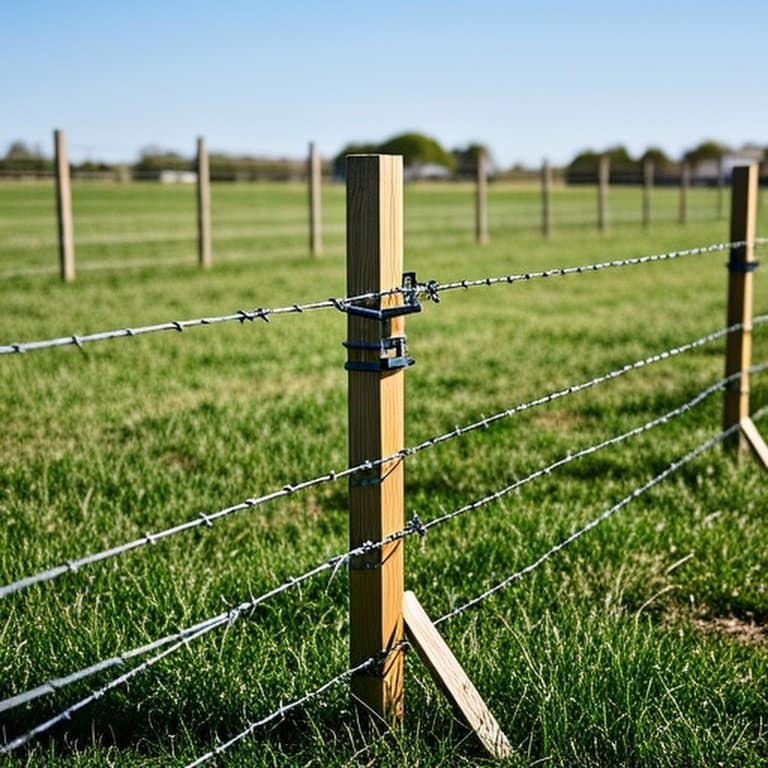
The most critical step in installing woven wire fence is building solid corner and end braces. Woven wire is a tension-based system. Without properly constructed H-braces or diagonal braces at corners and gate openings, the wire cannot hold long-term tension. Corner posts should be larger diameter wood posts set deep enough to resist pulling forces. Braces absorb tension so line posts do not carry structural load.
After bracing, set line posts at consistent spacing—typically 8 to 12 feet apart depending on livestock pressure and terrain. Posts must be set deep enough for soil conditions, often one-third of the post length underground. Uneven spacing creates weak tension zones and inconsistent wire support.
Next comes stretching the wire. Use a fence stretcher bar or pulling tool to apply even tension across the entire roll before fastening. The wire should be tight enough to remove slack but not over-stretched to the point of deforming knots. Secure the fence to line posts while maintaining tension, fastening from one end to the other without releasing pull.
Finally, ensure the bottom of the fence follows ground contour. On uneven terrain, you may need additional posts or to trench slightly to eliminate gaps. A properly installed woven wire fence should feel firm, evenly tensioned, and well-supported from corner to corner.
By following this sequence—brace, post, stretch, secure—you maximize durability and reduce long-term maintenance.
How Cattle Behavior Affects This Choice
Cattle lean and push against fencing, especially near feeding or watering areas. Proper bracing and tight tension prevent the fence from bowing outward.
If heavy cattle pressure is expected, consider adding a single offset hot wire to reduce leaning and extend fence lifespan.
Calves vs Mature Cattle Considerations
Calves test lower fence sections and can exploit small gaps. Installation must keep the bottom tight to the ground.
Closer line post spacing and careful tensioning reduce bottom sagging that allows young animals to push through.
Terrain, Visibility, and Pressure Zones
Rolling terrain increases stress on woven wire. Dips and ridges create natural tension changes along the fence line.
Shorter post spacing and careful contour alignment prevent weak areas. High-pressure zones near gates require extra reinforcement and strong brace assemblies.
When This Works Well
- Perimeter fencing for cattle, sheep, or goats
- Predator-resistant fencing with small mesh sizes
- Installations with solid H-brace corner systems
- Moderate to high livestock pressure areas
- Long straight runs with consistent terrain
When This Is Not Recommended
- Temporary fencing applications
- Areas where rapid relocation is required
- Extremely rocky ground preventing deep posts
- Installations without proper stretching tools
- Situations requiring frequent fence line adjustments
Alternatives or Better Options
High-Tensile Wire Fence
Uses fewer strands under higher tension. Requires precise installation but allows wider post spacing and lower material weight.
Electric Fence System
Lower material cost and faster installation. Works best where livestock are trained and predator pressure is moderate.
Welded Wire Fence
Rigid panel structure. Easier to install in small enclosures but less forgiving under heavy livestock pressure.
Cost, Safety, and Practical Notes
Installation quality affects long-term cost more than material choice. Skipping proper bracing may save money initially but leads to sagging, re-stretching, and post failure. Labor typically represents a significant portion of fencing expense, especially for large ranch perimeters.
Safety during installation is important. High tension creates stored energy in the wire. Always use proper stretching tools and avoid standing directly in line with tensioned wire. Wear gloves and eye protection.
In most farm situations, investing time in correct bracing and tensioning reduces repairs and extends fence life dramatically.
Quick Takeaway
Install woven wire fence by building strong braces first, spacing posts correctly, stretching the wire evenly, and securing it under proper tension. Most failures happen at corners and tension points. Done correctly, woven wire fencing can provide decades of reliable livestock containment.