
Short Answer
To install a farm fence yourself, mark the fence line, set strong corner and end posts first, install line posts at proper spacing, stretch and secure the fencing material tightly, then reinforce gates and weak points. The key is correct post depth, proper tension, and solid bracing—those three factors determine whether your fence lasts 5 years or 25.
Why This Question Matters
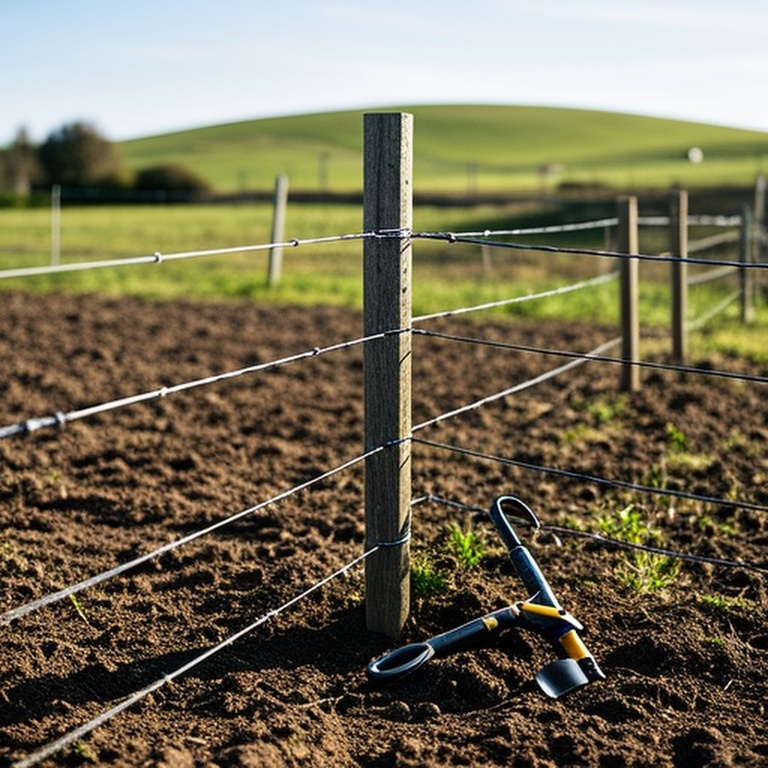
Fence installation is one of the largest recurring expenses on a farm or ranch. Hiring contractors can double or even triple your total cost per foot. At the same time, a poorly installed fence leads to sagging wire, leaning posts, livestock escape, and constant repairs.
Many farmers assume fence building is just “dig, set, and attach wire.” In reality, structural strength comes from post depth, bracing technique, wire tension, and terrain adaptation. If you understand the correct sequence and pressure points, you can build a fence that performs like professional work—without paying professional labor rates.
Key Factors to Consider
- Set corner and brace posts deeper than line posts for structural strength
- Match post spacing to fence type and livestock pressure
- Stretch wire evenly to avoid sagging and weak tension zones
- Adjust installation methods for slopes, wet soil, or rocky ground
- Reinforce gates and high-pressure livestock contact areas
Detailed Explanation
The most important principle in DIY farm fence installation is this: the fence is only as strong as its corner and end posts. These posts carry all the tension from stretched wire. If they are shallow, poorly braced, or set in weak soil, the entire fence line will eventually lean or collapse. Corner posts should be set 3–4 feet deep, depending on soil type and fence height, and reinforced with a proper H-brace or diagonal brace system.
After corners are secure, line posts provide support but not structural tension. Spacing typically ranges from 8 to 12 feet depending on fencing material. Woven wire and high-pressure livestock require closer spacing, while high-tensile systems can extend further. Uniform spacing prevents sagging sections and reduces stress on individual posts.
Wire stretching is where many DIY installers make mistakes. Loose wire leads to long-term sagging, while over-tightening can snap wire or strain posts. The goal is firm, even tension across the entire run. Always stretch from one brace assembly to another, securing gradually rather than locking down one side fully at once.
Finally, gates and transition areas deserve extra reinforcement. Livestock push, lean, and test fence lines—especially near feeding areas. Adding extra posts or heavier hardware in those locations prevents premature failure. When built in the right sequence—brace first, posts second, tension last—a DIY fence can match professional durability.
How Livestock Pressure Affects Installation
Different livestock create different stress patterns on fencing. Cattle lean and rub, horses test visibility and impact rails, and goats challenge lower gaps. If you expect heavy animal contact, install posts closer together and reinforce brace assemblies.
For high-pressure livestock like bulls or crowded cattle, double-bracing corners significantly increases durability. If animals will graze lightly with minimal pressure, standard spacing may suffice. Matching installation strength to livestock behavior prevents overbuilding—or underbuilding.
Terrain and Soil Considerations
Soil type determines post depth and stability. Sandy or loose soils require deeper post setting and possibly concrete for corner assemblies. Rocky soil may reduce digging depth but increases long-term stability once posts are driven securely.
On slopes, fence lines should follow terrain naturally rather than forcing tight straight lines. Stepped installation prevents gaps under fencing and reduces strain on posts. Water drainage patterns should also be considered—wet zones accelerate rot and corrosion.
Tools and Equipment Selection
DIY fence installation requires more than a shovel and hammer. Essential tools include post hole diggers or a post driver, wire stretcher, tensioning tool, fencing pliers, and level. Renting professional-grade stretchers significantly improves results.
Manual tools work well for short runs. For long fence lines, mechanical assistance (tractor-mounted post driver or stretcher) reduces fatigue and improves consistency. The right tools directly affect final fence lifespan.
When This Works Well
- Moderate fence lengths under 2,000 feet
- Stable soil conditions with manageable terrain
- Clear property lines and minimal obstructions
- Livestock with predictable pressure behavior
- Access to proper tools and basic construction skills
When This Is Not Recommended
- Extremely rocky ground requiring heavy machinery
- Large-scale perimeter fencing over several miles
- High-security containment needs (aggressive livestock)
- Severe slope or erosion-prone land
- Lack of time for careful bracing and tensioning
Alternatives or Better Options
Hiring Professional Fence Installers
Contractors reduce labor burden and often complete projects faster. This option makes sense for large properties or when heavy equipment is required. However, labor costs significantly increase total budget.
High-Tensile Fence Systems
These require more precise tensioning but use fewer posts and can be faster to install over long distances. They are ideal for large cattle pastures but demand proper equipment and knowledge.
Electric Fencing Systems
Electric fences use fewer materials and install quickly. They work well for rotational grazing but require ongoing power management and maintenance.
Cost, Safety, and Practical Notes
DIY farm fence installation typically reduces total cost by 30–60% compared to hiring professionals. However, improper installation increases long-term repair costs. Investing extra time in brace construction prevents expensive corrections later.
Safety is critical during post driving and wire stretching. Tensioned wire stores significant energy—wear gloves and eye protection. Always release tension gradually when adjusting.
Practical tip: build one complete test section before committing to full installation. This allows you to refine spacing, tension, and workflow before scaling the project.
Quick Takeaway
If you set strong brace posts first, space line posts correctly, and apply even wire tension, you can install a durable farm fence yourself. Most fence failures are not material failures—they are installation errors. Build the foundation correctly, and the rest follows.