
Short Answer
For DIY fence installation, you need post-setting tools (post hole digger or driver), measuring and layout tools, wire cutting and fastening tools, and a proper wire stretcher. The most critical tools are a solid post driver and a fence stretcher—without them, your fence will likely lean, sag, or fail prematurely.
Why This Question Matters
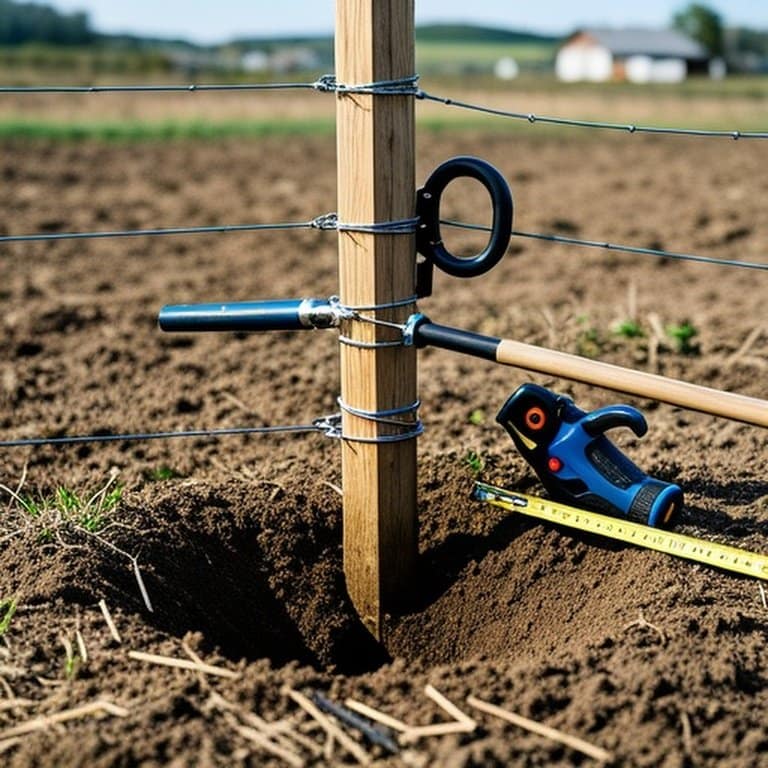
Many DIY fence projects fail not because of poor materials, but because of inadequate tools. A shovel instead of a post driver, pliers instead of a stretcher, or guessing measurements instead of marking layout can turn a simple fence job into a long-term maintenance problem.
Fence installation is about structure and tension. Posts must be set deep and straight. Wire must be stretched evenly without over-tightening. Staples and fasteners must be installed correctly to allow natural movement. Using the wrong tools increases labor time, reduces durability, and raises the risk of injury.
Understanding exactly which tools are essential—and which are optional—helps you budget properly and avoid frustration before starting your fence line.
Key Factors to Consider
- Type of fence material determines stretching and fastening tools
- Soil condition affects post-setting equipment choice
- Fence length influences whether manual or mechanical tools are practical
- Tensioned wire requires specialized stretching tools
- Safety gear is mandatory when cutting and tensioning wire
Detailed Explanation
The foundation of any fence is the post system. For wooden posts, you’ll need either a post hole digger or a powered auger for digging, along with a tamper or concrete tools for stabilization. For steel T-posts, a manual or weighted post driver is essential. Driving posts ensures better soil compaction than digging in many soil types, increasing long-term stability.
Next comes layout and alignment. A measuring tape, marking flags, string line, and level are simple but critical tools. Straight fence lines distribute tension evenly. Poor alignment causes uneven stress and early sagging. Professionals spend significant time marking before installing a single post—DIY installers should do the same.
Wire installation requires specific tools depending on fence type. Fencing pliers are multi-functional and essential for cutting, stapling, and twisting wire. However, the most overlooked tool is a proper fence stretcher or come-along with a stretching bar. Without controlled tension, woven or high-tensile wire will either sag or snap. Stretching evenly from brace to brace prevents long-term maintenance problems.
Finally, safety tools cannot be ignored. Heavy gloves, eye protection, and durable boots are mandatory. Tensioned wire stores energy and can recoil dangerously. Proper preparation and the right tools not only improve quality but also prevent injuries.
Tools for Different Fence Types
The tools required vary slightly by fencing system. Woven wire fencing demands a stretching bar and tensioning device. High-tensile systems require ratchet strainers and tension gauges. Barbed wire needs careful handling tools to prevent injury.
Wood board fencing requires saws, drills, and heavy-duty fasteners. Electric fencing requires voltage testers and grounding tools. Matching your toolset to the fence type ensures efficient installation and proper performance.
Soil and Terrain Equipment Needs
Soft or sandy soil often requires deeper digging and sometimes concrete reinforcement. Rocky soil may demand a heavy-duty post driver instead of digging tools. Sloped terrain benefits from string levels and step alignment tools.
If your property has long runs over uneven land, mechanical equipment like tractor-mounted post drivers or powered augers can dramatically reduce time and physical strain.
Manual vs Mechanical Tools
Manual tools work well for short fence lines under a few hundred feet. However, for perimeter fencing or multi-acre properties, mechanical assistance becomes practical and cost-effective.
Renting a powered auger or hydraulic post driver can reduce labor time by half. For longer fences, fatigue becomes a real factor affecting quality. Investing in the right level of equipment improves both safety and final results.
When This Works Well
- Fence projects under moderate length and manageable terrain
- Stable soil conditions without extreme rock density
- DIY builders with basic mechanical skills
- Access to tool rental services nearby
- Clear fence line planning before starting
When This Is Not Recommended
- Large-scale perimeter fencing exceeding several thousand feet
- Extremely rocky ground requiring heavy-duty machinery
- High-security fencing needing specialized equipment
- Lack of experience handling tensioned wire safely
- Projects requiring precise commercial-grade tension systems
Alternatives or Better Options
Hiring Professional Installation Crews
Professionals bring specialized equipment and experience, reducing installation errors. This is ideal for large ranches or difficult terrain but significantly increases labor cost.
Tool Rental Instead of Purchase
For one-time fence projects, renting powered augers, stretchers, or post drivers can reduce upfront investment while ensuring professional-level results.
Pre-Assembled Fence Panels
In some applications, especially smaller enclosures, pre-assembled panels reduce tool requirements and speed up installation, though material costs may be higher.
Cost, Safety, and Practical Notes
Basic manual tool setups for small DIY fence projects may cost a few hundred dollars if purchased outright. Renting mechanical tools for a weekend may cost less and dramatically improve efficiency.
Never attempt to stretch wire without a proper tensioning device. Improvised methods are the leading cause of fence sagging and personal injury. Controlled tension equals durability.
Practical advice: build your tool list before purchasing materials. Many DIY projects stall because builders underestimate equipment needs.
Quick Takeaway
DIY fence installation is not tool-heavy—but it is tool-specific. A solid post driver, accurate measuring tools, fencing pliers, and a proper wire stretcher are non-negotiable. The right tools determine whether your fence lasts decades or becomes a yearly repair project.