
Short Answer
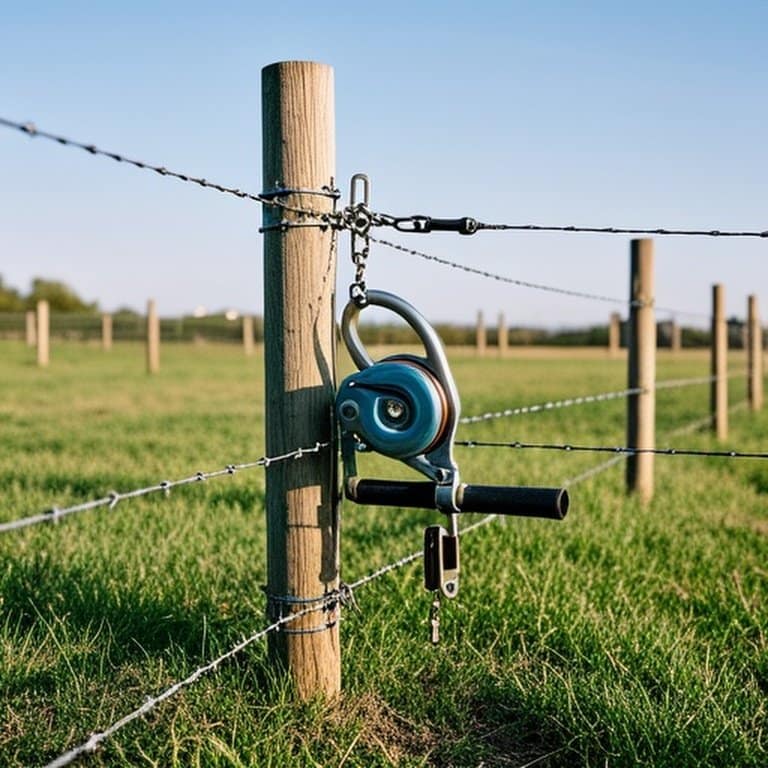
You can stretch wire fencing properly without professional equipment by using a come-along (hand winch), fence stretcher bar or 2×4 board, chain, and sturdy anchor posts. Secure one end firmly, apply gradual tension evenly across the wire, and staple only after proper tension is reached. Correct bracing matters more than expensive tools.
Why This Question Matters
Improperly stretched wire fencing leads to sagging, livestock escape, broken staples, and shortened fence lifespan. Many DIY installers assume professional hydraulic stretchers are required, but that is not true for most farm projects. With the right technique and basic tools, you can achieve professional-level tension.
The key is understanding tension control and structural support—not brute force. Overstretching weakens wire and can snap it. Under-stretching causes sagging within months. Learning to stretch correctly without specialty equipment saves money while ensuring your fence performs safely and reliably for years.
Key Factors to Consider
- Fence type: woven, barbed, or high-tensile
- Strength of corner and brace assemblies
- Even tension across full wire height
- Soil stability and post anchoring
- Safety precautions during tensioning
Detailed Explanation
The most important step in stretching wire without professional equipment is building solid brace assemblies first. Your corner posts and end posts must be deeply set and reinforced with H-braces or diagonal bracing. Without strong anchor points, no amount of pulling will create lasting tension.
For woven wire, attach a stretcher bar or sandwich the wire between two straight 2×4 boards bolted together. Connect a chain from the boards to a come-along anchored to the end post. Apply steady pressure, not sudden jerks. The goal is firm, uniform tension—not maximum force.
Barbed wire can be stretched by wrapping chain around several strands at once and pulling evenly with a hand winch. Stretch until the wire produces a firm “ring” when struck lightly and shows minimal sag between posts.
High-tensile wire requires more precision. Without professional tension gauges, stretch gradually and observe wire alignment. Over-tightening can cause wire breakage in cold temperatures.
Always staple loosely at first. After final tensioning, secure staples without pinching the wire tightly against the post. Wire must move slightly to expand and contract with temperature changes.
When done correctly, DIY stretching methods produce results comparable to professional installations.
How Cattle Behavior Affects This Choice
Cattle push and lean on fences. If tension is weak, wires will sag quickly under pressure. Proper stretching ensures the fence resists leaning and distributes force across multiple posts.
In high-traffic areas, slightly tighter tension and closer post spacing improve durability.
Calves vs Mature Cattle Considerations
Calves exert minimal pressure and require moderate tension. Mature cattle require firmer tension, especially for woven or barbed wire fencing.
Goats may climb woven wire, so consistent vertical tension prevents mesh distortion.
Terrain, Visibility, and Pressure Zones
On uneven terrain, stretch wire section by section to maintain ground contact. Long pulls across slopes can create uneven tension.
In windy areas, proper tension reduces oscillation and metal fatigue over time.
Gate openings and corners require reinforced bracing before stretching begins.
When This Works Well
- Small to medium DIY farm projects
- Woven or barbed wire fencing
- Properly braced corner posts
- Level or moderately uneven terrain
- Installations without high-tensile precision needs
When This Is Not Recommended
- Large commercial high-tensile installations
- Weak or poorly set corner posts
- Extremely long fence runs without bracing
- Frozen ground conditions
- Situations requiring precise tension measurement
Alternatives or Better Options
Renting a Professional Fence Stretcher
For large projects, renting hydraulic stretchers improves efficiency and uniformity without full equipment purchase.
Using Inline Strainers for High-Tensile Wire
These allow future tension adjustments without restretching entire sections.
Hiring Professionals for Perimeter Runs
DIY interior fencing combined with professional perimeter installation balances cost and reliability.
Cost, Safety, and Practical Notes
DIY stretching saves equipment costs but requires patience and safety awareness. Wire under tension can snap and cause injury. Always wear gloves, eye protection, and stand to the side of tension lines.
Never over-tighten woven wire. Moderate tension that removes sag is sufficient. Excessive tension stresses posts and shortens lifespan.
Temperature matters. Stretch wire in moderate weather when possible. Wire tight in summer may become overly stressed in winter.
Strong braces are more important than strong pulling force. Most fence failures occur at weak corner assemblies, not mid-run sag.
For most farm installations, a come-along and proper bracing provide reliable, professional-level results.
Quick Takeaway
You do not need professional equipment to stretch wire fence correctly. Focus on strong brace posts, gradual even tension, and safe handling. A come-along, stretcher bar, and patience are enough to produce a durable, livestock-ready fence.