
Short Answer
Yes, installing a fence yourself is usually cheaper than hiring a contractor—often saving 30–50% in labor costs. However, the true savings depend on your experience, tools, soil conditions, and whether mistakes lead to repairs. DIY reduces upfront expenses, but poor installation can erase savings over time.
Why This Question Matters
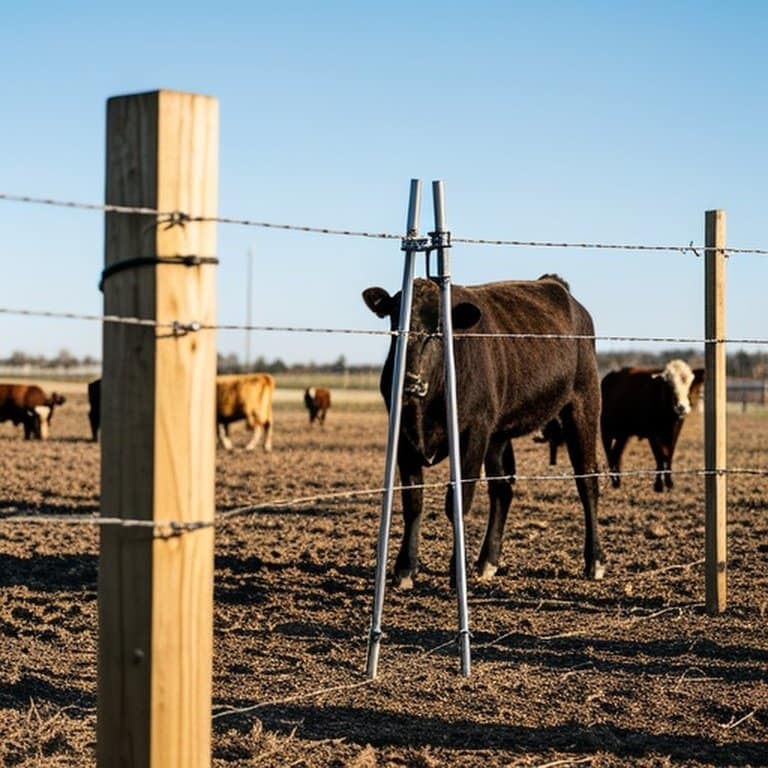
Fence installation is one of the largest infrastructure costs on farms and rural properties. Labor often equals or exceeds the cost of materials. For large projects—hundreds or thousands of feet—the price difference between DIY and professional installation can be significant.
But lower upfront cost does not automatically mean lower total cost. A poorly installed fence may require post resetting, wire re-tensioning, or full corner reconstruction within a few years. Those repairs add material expenses and time.
The real question isn’t just “Is DIY cheaper?” It’s “Is DIY cheaper for your specific situation?” Soil type, terrain, livestock pressure, and your experience level all influence whether DIY produces long-term savings—or hidden costs.
Key Factors to Consider
- Contractor labor typically adds $2–$6 per linear foot
- Equipment rental costs reduce DIY savings
- Soil conditions affect time and difficulty
- Mistakes can increase long-term repair expenses
- Project size influences cost efficiency
Detailed Explanation
Professional fence installation costs include labor, equipment, transport, and profit margin. On many farm fencing projects, labor accounts for 30–50% of the total invoice. By eliminating that labor cost, DIY builders can significantly reduce upfront spending.
However, DIY requires tools. Post hole augers, drivers, stretchers, come-alongs, and bracing materials may need to be purchased or rented. For smaller projects, tool costs can eat into savings. For larger projects, those costs spread out and become more economical per foot.
Time is another factor. A contractor crew may install several hundred feet per day. A single DIY installer may complete far less, especially in rocky soil or uneven terrain. If your time has high opportunity value—such as running a farm operation—slower installation may indirectly cost more.
The biggest hidden cost is structural error. Weak corner braces, shallow posts, or improper tensioning often fail within a few seasons. Repairs require removing staples, re-tensioning wire, or resetting posts—essentially doing the job twice.
DIY is generally cheaper upfront. Whether it stays cheaper depends on execution quality.
How Cattle Behavior Affects This Choice
Cattle apply steady pressure against fences. Weak installation becomes visible quickly under livestock stress.
If fencing for cattle, proper bracing and post depth are critical to preserving DIY savings.
Calves vs Mature Cattle Considerations
Calves test gaps and push under loose wire. Inadequate bottom tension increases repair likelihood.
Mature cattle lean with more force. Structural weaknesses fail faster under their weight.
Terrain, Visibility, and Pressure Zones
Flat, clear land favors DIY cost efficiency. Rocky soil, slopes, and high-traffic gate areas increase difficulty.
Difficult terrain increases labor time and tool needs, reducing DIY savings.
When This Works Well
- Large projects where labor savings scale
- Level terrain with workable soil
- Access to proper tools
- Basic construction experience
- Low-pressure livestock environments
When This Is Not Recommended
- Rocky or heavily compacted ground
- No access to tensioning or bracing tools
- High-pressure livestock like cattle
- Tight installation timelines
- Inexperienced installers handling long perimeter runs
Alternatives or Better Options
Hire Professionals for Structural Corners Only
Corners determine fence durability. Hiring out brace installation while handling line posts yourself balances cost and quality.
Rent Professional Equipment for Short-Term Use
Using a proper post driver or wire stretcher improves installation speed and durability without full equipment purchase.
Split the Project into Phases
Install perimeter fencing professionally and handle interior cross fencing yourself to reduce total cost.
Cost, Safety, and Practical Notes
DIY fence installation typically reduces upfront cost per foot. However, improper tensioning or shallow posts can lead to sagging, leaning, and early structural failure. Replacing failed sections costs additional materials and time.
Safety is another consideration. Post drivers, wire under tension, and heavy materials present injury risks. Professional crews are trained for efficiency and hazard management.
Weather timing also affects cost. Installing during wet soil conditions may require post resetting later. Frozen ground increases labor difficulty.
In general, DIY is cheaper when you have time, proper tools, stable soil, and attention to structural details. It becomes expensive when rushed or improperly executed.
Quick Takeaway
Installing a fence yourself is usually cheaper upfront because you eliminate labor costs. The real savings depend on correct installation, proper tools, and soil conditions. Done right, DIY can save 30–50%. Done poorly, it can cost more than hiring professionals.