
Short Answer
A fence needs immediate repair if you notice broken or loose wire, leaning or rotting posts, sagging sections, damaged braces, open gaps large enough for livestock or predators, or compromised gates. Any structural weakness that risks animal escape, injury, or boundary failure should be addressed the same day it is discovered.
Why This Question Matters
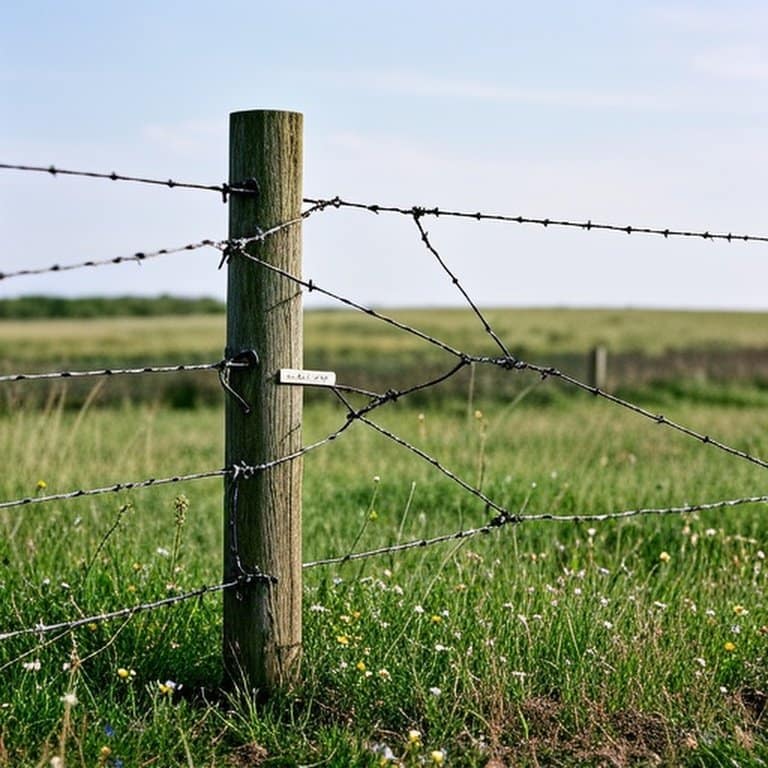
Fence failure is rarely sudden. Most collapses begin with small warning signs that go unnoticed or ignored. A loose staple becomes sagging wire. A slightly leaning post turns into a failed brace. A minor gap becomes a livestock escape route.
Immediate repair prevents safety hazards, financial loss, and legal issues. Escaped cattle can cause traffic accidents. Horses can injure themselves on broken rails. Predators exploit weak sections quickly. Waiting even a few days after identifying serious damage can turn a minor repair into a major rebuild. Recognizing the warning signs early protects animals, property, and peace of mind.
Key Factors to Consider
- Structural movement in posts or braces indicates foundation instability
- Sagging or overstretched wire reduces containment strength
- Visible gaps increase escape and predator entry risk
- Gate misalignment signals pressure or post shift
- Soil erosion around posts weakens long-term stability
Detailed Explanation
The clearest sign a fence requires immediate repair is structural instability. If posts lean significantly or corner braces shift, the fence is losing its foundational support. Corner and end posts bear the highest tension load, especially in wire fencing systems. When these fail, large sections can collapse quickly. Structural movement is not cosmetic—it signals load imbalance.
Wire condition is another major indicator. Broken strands, snapped welds, or severely sagging woven wire reduce containment integrity. Even if animals have not yet escaped, weakened tension allows livestock to push or climb through vulnerable spots. In high-pressure areas near water troughs or feed stations, sagging wire can worsen rapidly within hours.
Gaps deserve urgent attention. If an opening is large enough for a calf, goat, or predator to squeeze through, repair should not be delayed. Young livestock are especially prone to exploring small openings. Predators actively test fence weaknesses and often return to proven entry points.
Gate problems also signal urgent repair needs. A dragging or misaligned gate may indicate shifting posts or ground movement. Since gates are high-traffic stress points, structural failure there can compromise an entire paddock. When gate latches fail to close securely, the containment system is no longer reliable.
Immediate repair is about risk management. Not every cosmetic issue is urgent, but any condition affecting structural support, tension integrity, or gap control should be treated as a priority.
How Livestock Behavior Affects Urgency
Livestock behavior determines how quickly fence damage escalates. Cattle often lean, scratch, or apply repeated pressure to weak spots. Horses may kick or chew rails if bored or startled. Goats actively test for loose sections and can exploit minor openings quickly.
If animals have already begun pushing against a compromised area, repair becomes urgent rather than preventive. The more livestock interact with a weakened section, the faster deterioration accelerates. Damage in high-pressure zones should always be treated as immediate.
Calves vs Mature Livestock Considerations
Calves, lambs, and kids are small enough to pass through minor gaps. Even a slightly sagging lower wire can allow young animals to escape. These cases require rapid response because once one animal escapes, others often follow.
Mature livestock present a different risk. Their size and strength increase structural stress. A weakened brace or loose post may collapse under their weight. For larger animals, structural instability is the highest priority warning sign.
Repair urgency depends on herd composition. Mixed-age herds require extra vigilance.
Terrain, Visibility, and Pressure Zones
Fence damage in low-visibility areas can go unnoticed until failure occurs. Brush, tall grass, and uneven terrain hide developing weaknesses. Slopes and drainage areas increase soil erosion, which can loosen posts.
Damage located on hilltops, corners, gates, or near water access points typically escalates faster. These areas experience natural stress concentration and should be inspected carefully when warning signs appear.
Immediate repair is especially important in terrain that amplifies structural pressure.
When Immediate Repair Is Critical
- Structural braces or corner posts show movement or cracking
- Wire is broken, detached, or severely sagging
- Livestock have already escaped or are testing weak spots
- Predator tracks are found near compromised sections
- Gates fail to latch securely
When Monitoring May Be Acceptable (Short Term)
- Minor cosmetic rail cracks without structural shift
- Slight surface rust without tension loss
- Small soil settling without post movement
- Low-pressure perimeter sections with no livestock contact
Monitoring should still be brief, with scheduled follow-up.
Alternatives or Preventive Strategies
Routine Monthly Inspections
Regular walk-throughs reduce the chance of emergency repairs by catching early warning signs before they escalate.
Reinforced High-Stress Areas
Installing stronger braces or heavier-gauge wire in gates and corners reduces recurring failures.
Pressure Distribution Design
Proper spacing and tensioning during installation minimizes stress concentration and prolongs structural stability.
Cost, Safety, and Practical Notes
Delaying urgent repairs often multiplies costs. A single failed brace can lead to replacement of multiple posts and wire sections. Immediate correction is typically inexpensive compared to rebuilding collapsed fencing.
From a safety standpoint, broken wire can cause cuts or entanglement injuries. Escaped livestock create traffic hazards and liability exposure. Predator entry can result in livestock loss overnight.
Practically, keeping basic repair tools—staples, pliers, spare wire, brace pins—available allows same-day correction. Emergency repairs are far easier when minor weaknesses are addressed early.
Fence reliability depends on timely response. When structural integrity, tension, or containment is compromised, repair should not wait.
Quick Takeaway
If a fence shows structural movement, broken wire, open gaps, or unstable gates, it needs immediate repair. Early action prevents livestock escape, injury, predator access, and costly structural failure. Treat containment weaknesses as urgent—not optional.