
Short Answer
The best way to check wire tension on a farm fence is to combine visual inspection, manual deflection testing, and—when precision matters—a fence tension gauge. Properly tensioned wire should be firm with minimal sag, produce a clear “ping” sound when struck, and resist moderate hand pressure without excessive movement.
Why This Question Matters
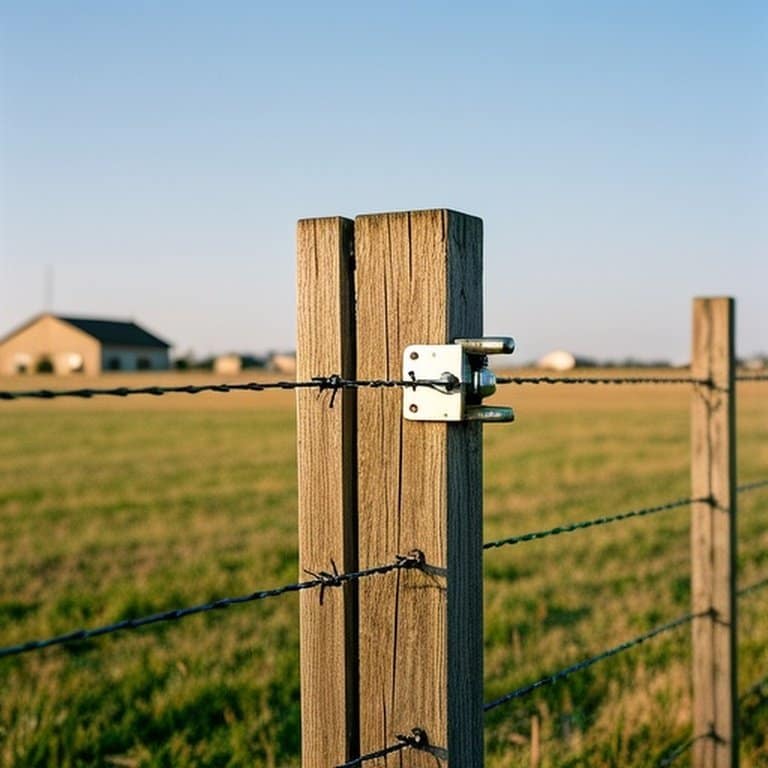
Wire tension determines whether a fence performs as a secure containment barrier or becomes a liability. Too loose, and livestock can push through or crawl under. Too tight, and posts, braces, and fasteners may fail under constant strain.
Improper tension is one of the most common causes of premature fence damage. Seasonal temperature changes also affect wire tightness, especially with high-tensile systems. Regularly checking tension prevents sagging sections, broken staples, leaning posts, and structural imbalance across the fence line. Understanding how to evaluate wire tension correctly helps protect livestock, reduce maintenance costs, and extend the lifespan of the entire fence system.
Key Factors to Consider
- Fence type determines acceptable tension range
- Temperature affects wire expansion and contraction
- Post spacing influences tension distribution
- Corner and brace posts carry highest strain
- Over-tightening can damage structural supports
Detailed Explanation
The simplest method for checking wire tension is visual inspection. Stand back and examine the fence line from a distance. Properly tensioned wire appears straight and consistent, without noticeable sag between posts. Sagging mid-spans often indicate insufficient tension or post instability. However, visual inspection alone is not enough for accurate evaluation.
Manual deflection testing provides a practical field check. Press the wire at the midpoint between two posts using firm hand pressure. A properly tensioned woven or high-tensile wire should move slightly but snap back quickly. Excessive movement suggests looseness, while an extremely rigid feel may indicate over-tensioning, which increases strain on braces and staples.
Sound testing is another quick indicator. Lightly strike the wire with a metal tool. Properly tensioned wire produces a clear, sharp “ping.” A dull or flat sound usually indicates slackness. This method is commonly used for high-tensile fencing but works as a rough guide for other wire types as well.
For precise measurement—especially in high-tensile systems—a fence tension gauge is the most reliable method. These tools measure pounds of tension directly, allowing adjustment within manufacturer specifications. This is particularly important for long runs and permanent installations where structural balance is critical.
How Cattle Behavior Affects Wire Tension Needs
Cattle frequently lean and rub against fence lines. If wire is too loose, animals may push it down over time. If it is too tight, the stress transfers directly to posts and braces, increasing the risk of structural failure.
High-pressure livestock areas require balanced tension that absorbs impact without deforming. Regular tension checks are especially important near feeding zones or high-traffic paths.
Calves vs Mature Livestock Considerations
Calves are lighter but may attempt to slip through loose wire. Slight sag can create escape opportunities. Mature livestock apply heavier force and test structural stability.
For operations with mixed-age groups, tension should prioritize preventing sagging at lower wire levels while avoiding excessive strain at top wires. Proper distribution across all strands ensures both containment and durability.
Terrain, Visibility, and Pressure Zones
Long straight runs on flat terrain distribute tension evenly. Sloped or uneven ground introduces variations that can create tension imbalance.
Corner posts, end braces, and gates experience the highest force concentration. These zones require closer monitoring. If tension is uneven across terrain shifts, one section may carry more load, leading to premature failure.
Seasonal freeze-thaw cycles also affect soil stability and wire tightness.
When Proper Tension Works Well
- Fence line appears straight without sagging
- Wire snaps back quickly after manual pressure
- Clear ringing sound when lightly struck
- Corner braces remain stable and upright
- No staple pull-out or post leaning
When Tension Adjustment Is Needed
- Visible sag between posts
- Wire moves excessively under light pressure
- Dull sound when struck
- Staples pulling out of wooden posts
- Corner or brace posts leaning inward
Alternatives or Better Options
Install Tensioners or Inline Strainers
Adding strainers allows easier seasonal adjustment without rebuilding sections.
Upgrade Corner Bracing Systems
Strong H-braces or diagonal bracing prevent structural distortion when tension is increased.
Switch to High-Tensile Wire Systems
Designed specifically for higher tension loads and long runs, offering better long-term performance when properly installed.
Cost, Safety, and Practical Notes
Checking wire tension costs almost nothing but prevents expensive repairs. Loose wire increases livestock escape risk, while overtightened wire can snap suddenly, posing injury hazards.
When adjusting tension, wear gloves and eye protection. Wire under load can recoil if fasteners fail. Always relieve tension gradually rather than abruptly tightening.
Practically, include tension checks during seasonal fence inspections—especially after extreme temperature swings or storms. Balanced tension protects posts, braces, and overall fence lifespan.
Quick Takeaway
The best way to check wire tension is to combine visual inspection, manual pressure testing, sound checking, and—when needed—a tension gauge. Proper tension prevents sagging, protects structural supports, and keeps livestock securely contained without overstressing the system.