
Short Answer
Weather and seasonal changes directly affect fence stability through soil movement, moisture levels, temperature fluctuations, and wind pressure. Freeze–thaw cycles loosen posts, heat expands wire, cold tightens it, and heavy rain softens ground around foundations. Without seasonal inspection and adjustment, even well-built farm fences can gradually lose alignment, tension, and structural strength.
Why This Question Matters
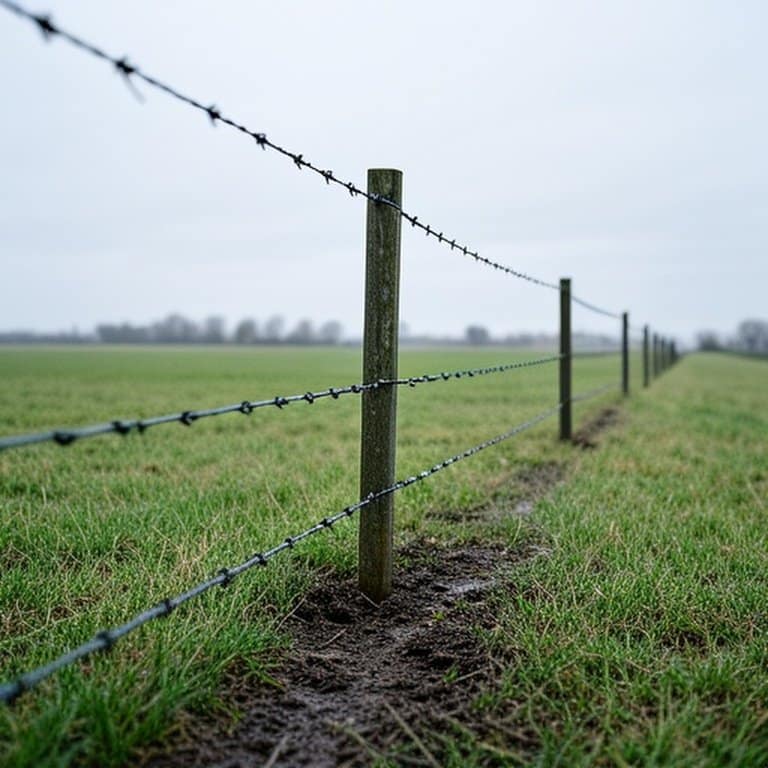
Many fence failures are not caused by poor installation—but by environmental stress over time. Seasonal expansion and contraction change wire tension. Wet soil reduces post grip. Frozen ground shifts foundations. High winds create sustained lateral pressure.
Understanding how weather affects fence systems helps prevent leaning posts, sagging wire, brace failure, and livestock escape. Instead of reacting to visible damage, proactive seasonal awareness allows small adjustments before problems escalate. Farmers who adapt fence maintenance to climate cycles typically see longer service life, fewer emergency repairs, and improved livestock containment reliability.
Key Factors to Consider
- Freeze–thaw cycles expand soil and loosen posts
- Temperature changes alter wire tension significantly
- Heavy rain softens soil and reduces post stability
- High winds apply constant lateral pressure
- Dry seasons shrink soil around foundations
Detailed Explanation
Temperature is one of the most underestimated factors affecting fence stability. Wire expands in heat and contracts in cold. During winter, contraction can increase tension to dangerous levels, stressing corner braces and fasteners. In summer, expansion may create sag between posts. Without periodic adjustment—especially in high-tensile systems—seasonal tension swings gradually weaken structural components.
Moisture levels also play a major role. After prolonged rainfall, soil becomes soft and loses compaction strength. Posts that were previously stable may begin to lean slightly. Even small shifts change load distribution along the fence line. In drought conditions, soil shrinkage can create gaps around posts, reducing support and increasing movement during wind events.
Freeze–thaw cycles are particularly disruptive. When water in soil freezes, it expands, lifting posts upward. As the ground thaws, it settles unevenly. Repeated cycles gradually loosen foundations. This is why fences in colder climates require deeper post setting and stronger bracing systems.
Wind and storm events add dynamic pressure. Unlike static livestock load, wind exerts sustained horizontal force across large surface areas—especially on mesh or woven wire fencing. Over time, this pressure can stress braces and corner assemblies. Regular inspection after major weather events is critical for maintaining structural integrity.
By understanding these seasonal forces, fence owners can anticipate movement rather than reacting to visible damage.
How Cattle Behavior Interacts with Seasonal Changes
Livestock often increase fence pressure during certain seasons. In winter, animals may cluster near windbreaks or sheltered fence lines. In spring, fresh pasture on the opposite side may encourage pushing behavior.
When soil is softened by rain or thawing, livestock pressure compounds instability. A fence that held firm in summer may lean under identical animal load in spring. Seasonal inspection should always account for livestock behavior patterns.
Calves vs Mature Livestock Considerations
Calves typically test lower wires and may exploit sag created during hot weather expansion. Mature cattle exert greater overall force and may lean during colder months when tension increases and braces weaken.
For mixed-age herds, maintaining consistent tension year-round is essential. Lower wires should be checked more frequently after seasonal shifts, as small sagging can create escape opportunities.
Terrain, Drainage, and Pressure Zones
Low-lying areas retain moisture longer, increasing post instability. Sloped terrain experiences runoff that erodes soil around foundations. Wind-exposed ridgelines endure greater lateral stress.
Drainage patterns often change seasonally. Areas stable in summer may become saturated in fall or spring. Identifying pressure zones along the fence line helps prioritize inspection frequency in high-risk sections.
When Seasonal Adjustment Works Well
- Tension adjusted at start of extreme seasons
- Posts remain vertical through freeze–thaw cycles
- Drainage prevents prolonged soil saturation
- Brace assemblies show no seasonal movement
- Sag corrected before livestock pressure increases
When Seasonal Risk Is High
- Shallow post depth in frost-prone regions
- Poor drainage near fence lines
- Long high-tensile runs without adjustment
- Wind-exposed open pasture areas
- No inspection after major storms
Alternatives or Better Options
Deeper Post Installation in Cold Climates
Setting posts below frost line reduces movement caused by freeze–thaw cycles and improves long-term alignment.
Upgraded Bracing Systems
H-braces and diagonal brace assemblies distribute seasonal tension changes more effectively than single-post ends.
Flexible High-Tensile Systems
Designed to accommodate seasonal tension shifts while maintaining structural integrity across long runs.
Cost, Safety, and Practical Notes
Seasonal damage often develops slowly but leads to expensive structural repairs if ignored. A leaning brace may seem minor, yet it shifts tension across the entire fence line. Early correction is far cheaper than full section replacement.
From a safety standpoint, overtightened wire during cold snaps increases snap risk. Always adjust tension gradually and wear protective gear. After heavy storms, inspect for fallen branches or debris adding unexpected load.
Practically, schedule fence inspections at least at the beginning of winter, spring thaw, peak summer heat, and after major weather events. This proactive approach significantly extends fence lifespan.
Quick Takeaway
Weather and seasons affect fence stability through soil movement, temperature-driven tension changes, moisture shifts, and wind pressure. Proactive seasonal inspection and adjustment prevent gradual structural weakening, reduce repair costs, and maintain reliable livestock containment year-round.