
Short Answer
To prevent fence damage from cattle rubbing or leaning, you need strong brace assemblies, properly tensioned wire, correct post spacing, and strategic deterrents such as offset electric wire. Reinforcing high-pressure areas and reducing livestock motivation to lean are just as important as structural strength. A fence built for cattle behavior—not just containment—lasts significantly longer.
Why This Question Matters
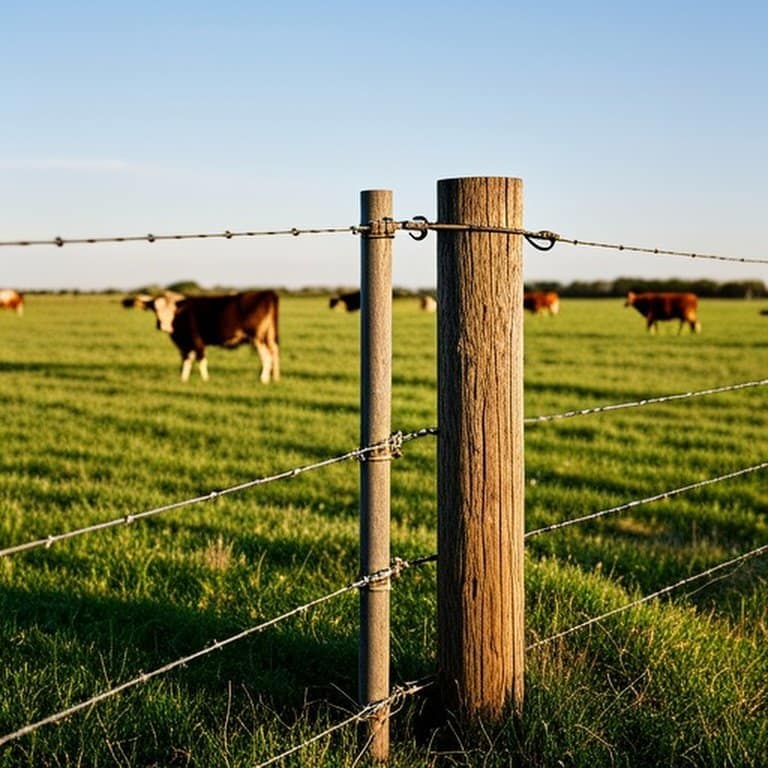
Cattle rubbing and leaning are among the most common causes of fence failure on farms. Unlike sudden storm damage, this pressure builds gradually. Animals scratch against posts, push on wire, and gather along fence lines, especially near feed, shade, or neighboring livestock.
Over time, leaning weakens braces, loosens posts, reduces wire tension, and shifts alignment. If not addressed early, minor bowing can become full structural collapse. Preventing rubbing damage isn’t just about durability—it protects livestock safety, reduces repair costs, and prevents escape incidents that can create legal and operational problems.
Understanding why cattle lean is the first step toward building a fence system that withstands daily pressure.
Key Factors to Consider
- Corner and end braces carry most leaning stress
- Post depth determines resistance to lateral force
- Wire tension affects how pressure distributes
- High-traffic zones attract repeated rubbing
- Cattle behavior increases during fly season
Detailed Explanation
Cattle naturally rub against objects to relieve itching, shed winter coats, or remove flies. Fence lines often become convenient scratching posts, especially when no alternatives are available. If braces are weak or posts shallow, repeated rubbing gradually shifts alignment and loosens the system.
Structural strength begins at the ends. A properly built H-brace or diagonal brace assembly absorbs horizontal pressure and distributes load along the fence line. Without strong brace assemblies, even tightly stretched wire will eventually sag under repeated leaning.
Wire tension also plays a critical role. Loose wire invites animals to push further. Properly tensioned woven or high-tensile wire resists movement and discourages continued pressure. However, overtightening without adequate bracing can cause premature failure at anchor points.
Strategic reinforcement of high-pressure areas is often more effective than upgrading the entire fence. Around water sources, feed areas, corners, and shade lines, consider closer post spacing or installing a single offset electric wire 6–8 inches inside the fence. This discourages direct contact without requiring a full electric perimeter system.
Finally, reducing behavioral triggers helps. Providing dedicated rubbing posts or cattle brushes away from the fence line significantly decreases fence abuse. Prevention works best when structural reinforcement and behavior management work together.
By designing for cattle pressure rather than reacting to damage, you extend fence life dramatically.
How Cattle Behavior Affects Fence Pressure
Cattle lean most heavily during fly season and coat shedding periods. They also cluster along fence lines when feed, minerals, or neighboring livestock are visible on the other side.
Dominant animals may push others into the fence during feeding. Bulls exert more force than cows, and herd density increases cumulative pressure. Understanding seasonal and behavioral patterns helps predict where reinforcement is needed.
Calves vs Mature Cattle Considerations
Calves rarely cause structural leaning but may crawl under loose lower wires if sag develops. Mature cattle create sustained horizontal pressure and can shift posts over time.
Mixed-age herds require strong lower tension combined with brace integrity. Fence lines holding breeding bulls or heavy cattle require more robust corner assemblies than lightweight stock.
Terrain, Visibility, and Pressure Zones
Cattle tend to lean along straight, visible stretches where they see other animals or pasture beyond the fence. Sloped ground can amplify leverage when animals push downhill.
Windbreak areas and shaded fence lines often become rubbing hotspots. Identifying these pressure zones allows targeted reinforcement instead of rebuilding entire sections unnecessarily.
When Prevention Measures Work Well
- Strong H-brace assemblies at all corners
- Posts set deep and properly compacted
- Offset electric wire installed in high-pressure zones
- Dedicated rubbing posts placed away from fence
- Regular tension checks prevent sag development
When Damage Risk Is High
- Long straight runs without mid-line bracing
- Shallow posts in soft or wet soil
- Loose woven wire or untensioned high-tensile
- High-density cattle grazing
- No alternative scratching structures provided
Alternatives or Better Options
Offset Electric Wire (Inside the Fence)
A single hot wire mounted 6–8 inches inside the fence line prevents physical contact while maintaining traditional fencing structure.
Heavier Post and Brace Systems
Upgrading to larger diameter posts and double H-braces significantly improves resistance to lateral pressure.
Cattle Rubbing Posts or Brushes
Installing designated scratching posts away from fence lines reduces repeated pressure on structural components.
Cost, Safety, and Practical Notes
Preventive reinforcement is far cheaper than rebuilding collapsed fence sections. Adding an offset electric wire costs a fraction of replacing braces and multiple posts. Likewise, installing rubbing posts is inexpensive compared to repeated repairs.
From a safety perspective, leaning fences increase the risk of wire snapping under tension. Always release tension carefully before major brace repairs. When installing electric offsets, ensure proper grounding and visible markers to prevent accidental contact by handlers.
Practically, inspect fence lines at least monthly during peak fly season and after herd regrouping events. Pay special attention to corners, feeding areas, and visible pasture boundaries where cattle naturally gather.
Quick Takeaway
Fence damage from cattle rubbing or leaning is predictable and preventable. Strong brace systems, correct tension, targeted reinforcement, and behavioral management together create long-term fence stability. Designing for cattle pressure—not just containment—is the key to durability.