
Short Answer
The best way to set fence posts without concrete is to dig to proper depth (usually one-third of the post length), add a drainage base of gravel, position the post straight, and backfill with crushed gravel or well-compacted native soil in tight layers. Proper tamping and depth are critical for long-term stability.
Why This Question Matters
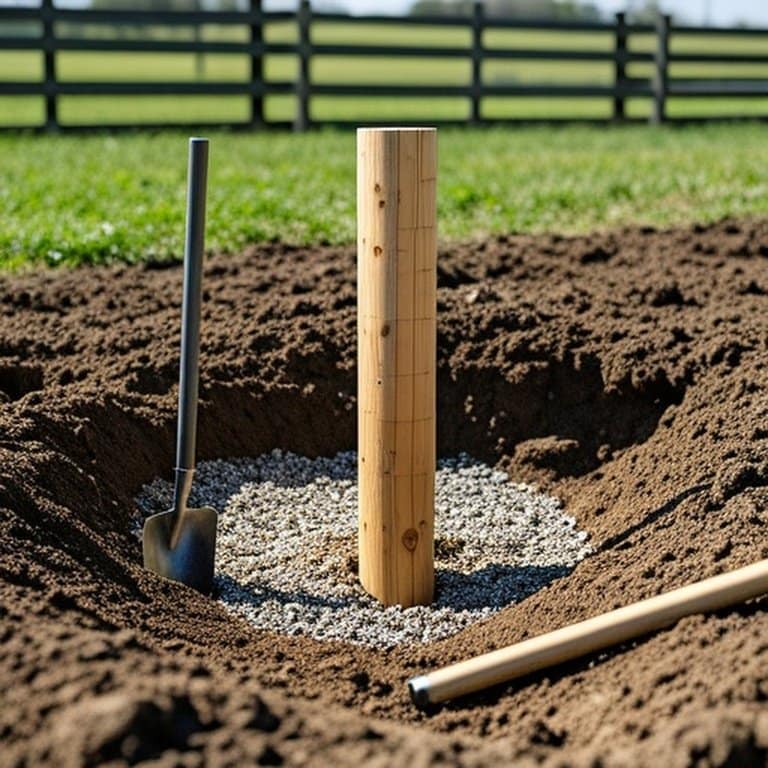
Many farm and livestock fence installations avoid concrete to reduce cost, improve drainage, and make future repairs easier. However, improperly set posts without concrete can loosen quickly, especially under livestock pressure or in wet soil conditions.
Concrete can trap moisture around wooden posts, accelerating rot if drainage is poor. In contrast, well-compacted gravel allows water to drain away from the base, extending post life. For large pastures, avoiding concrete also significantly reduces labor time and installation expense. Because fence posts are the structural foundation of the fence system, the method you use directly affects durability, maintenance frequency, and long-term repair costs.
Understanding how to properly install posts without concrete ensures the fence performs reliably while maintaining flexibility for future adjustments.
Key Factors to Consider
- Proper depth is more important than whether concrete is used
- Soil type determines how well posts will hold without cement
- Drainage around the post base prevents premature rot
- Livestock pressure increases lateral force on posts
- Corner and gate posts require extra reinforcement
Detailed Explanation
Setting fence posts without concrete works effectively when depth, compaction, and drainage are handled correctly. The standard guideline is to bury at least one-third of the post length—typically 2 to 3 feet for farm fencing. Deeper installation increases stability, especially in loose soil.
Gravel backfill is generally the preferred method. A few inches of crushed gravel at the bottom of the hole improves drainage and prevents water from pooling around the post base. After positioning the post straight, gravel should be added in 4–6 inch layers and tightly tamped after each layer. Proper compaction creates friction against the post, which provides structural resistance comparable to concrete in many soil types.
In clay or well-compacted soils, native soil can be used instead of gravel if it is returned in small layers and firmly tamped. However, sandy soils benefit significantly from crushed stone because loose sand alone lacks holding strength.
It is also important to recognize that not all posts carry the same load. Line posts can often be set without concrete successfully, but corner and gate posts may require additional bracing systems. A properly braced corner distributes wire tension horizontally rather than relying solely on depth.
When done correctly, gravel-set posts offer excellent drainage, easier replacement, and strong long-term performance—often outlasting improperly installed concrete-set posts.
How Cattle Behavior Affects This Choice
Cattle frequently lean and rub against fences, applying repeated side pressure. In high-traffic areas such as corners, feed zones, and water access points, this lateral force increases stress on posts.
Without concrete, stability depends entirely on depth and compaction. Deeper posts and tightly tamped gravel significantly improve resistance to leaning pressure. In heavy-use areas, adding brace assemblies prevents gradual loosening over time.
Calves vs Mature Cattle Considerations
Fences designed only for lighter animals may fail once livestock mature. Mature cattle generate far greater force when pushing or scratching.
If the herd includes mature cattle or mixed sizes, increasing burial depth and using crushed gravel instead of soil provides additional security. Planning for full-grown animal pressure reduces the risk of post movement and costly repairs later.
Terrain, Visibility, and Pressure Zones
Wet soil, sloped terrain, and frost-prone regions increase the risk of movement. In poorly drained soil, gravel backfill performs better than concrete because it prevents water retention.
On slopes or ridges, deeper installation improves anchoring strength. Posts in high-visibility or high-use locations—like pasture entrances—should be installed with additional bracing even when concrete is avoided.
When This Works Well
- Well-drained soil with moderate livestock pressure
- Large pasture fencing where cost efficiency matters
- Areas requiring easier future post replacement
- Installations prioritizing drainage and rot prevention
- Line posts with proper spacing and tamping
When This Is Not Recommended
- Extremely loose sandy soil without proper compaction
- Heavy gate posts supporting significant weight
- Severe frost-heave regions without sufficient depth
- High wind exposure combined with tall fencing
- Areas lacking proper brace assemblies
Alternatives or Better Options
Concrete Footings
Provides maximum rigidity for gate and corner posts but increases cost and can trap moisture if drainage is poor.
Foam Post Setting Products
Faster than concrete and lighter to handle, but more expensive and less common in large agricultural fencing.
Steel Posts with Braced Wood Corners
Combines ease of installation with strong anchor points, reducing the need for concrete in most line sections.
Cost, Safety, and Practical Notes
Avoiding concrete reduces material costs and installation time, especially for long fence lines. However, labor must shift toward careful tamping and deeper digging to maintain strength.
Proper compaction requires manual effort. Loose backfill is the most common failure cause in non-concrete installations. A heavy tamping bar improves stability significantly.
Safety considerations include stabilizing the post during backfill and avoiding sudden shifts. Gravel can shift unexpectedly if not compacted evenly. Wearing gloves and eye protection prevents injury during tamping and stone handling.
Ultimately, saving money on concrete only works if installation quality remains high. Depth and compaction—not cement—are the true determinants of strength.
Quick Takeaway
The best way to set fence posts without concrete is to dig deep enough, use a gravel base for drainage, backfill in compacted layers, and reinforce high-stress posts with proper bracing. When installed correctly, gravel-set posts can be just as durable—while offering better drainage and easier future maintenance.